Return to San Jose (Costa Rica)
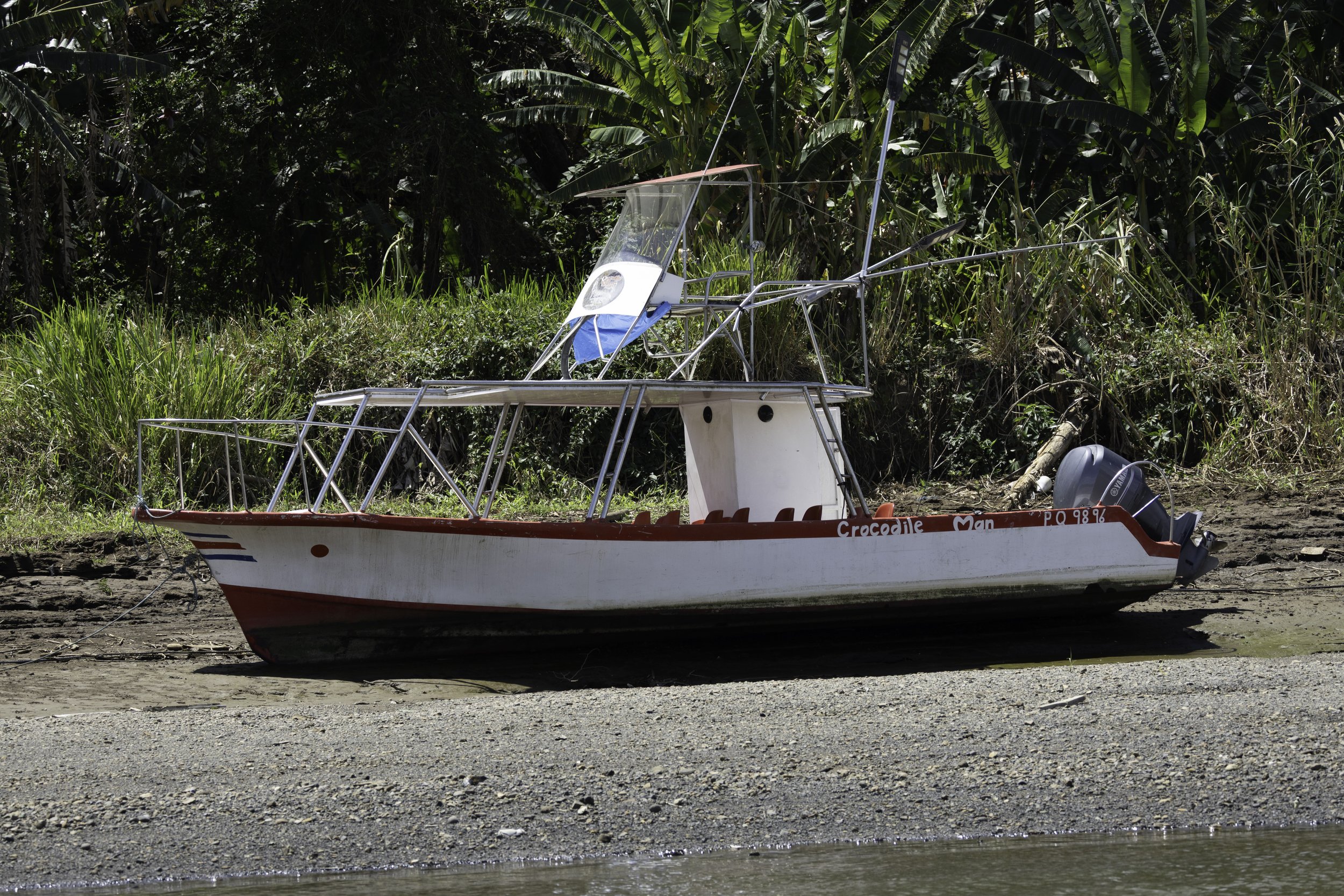
Crocodile Man (19 Feb 26)
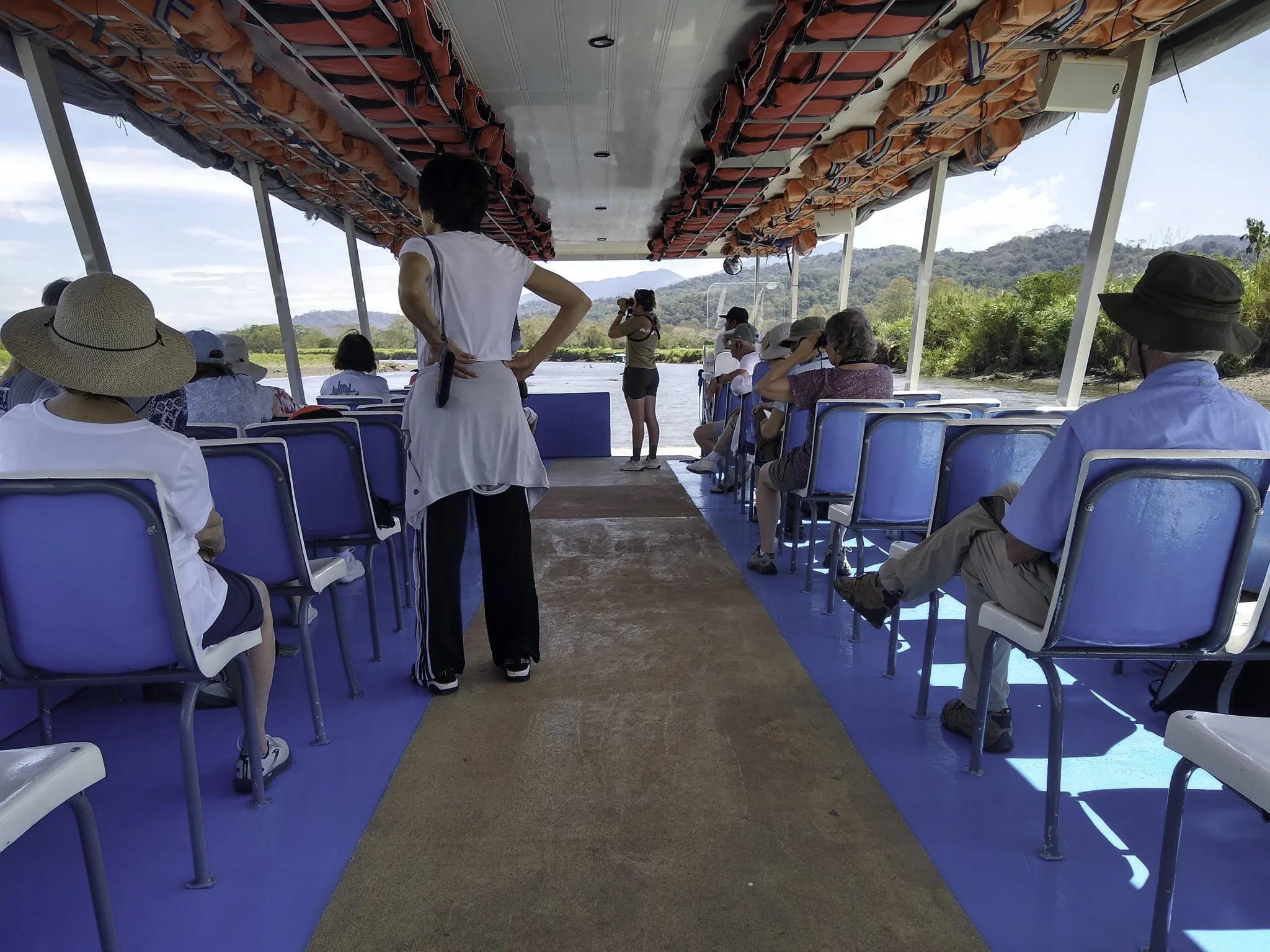
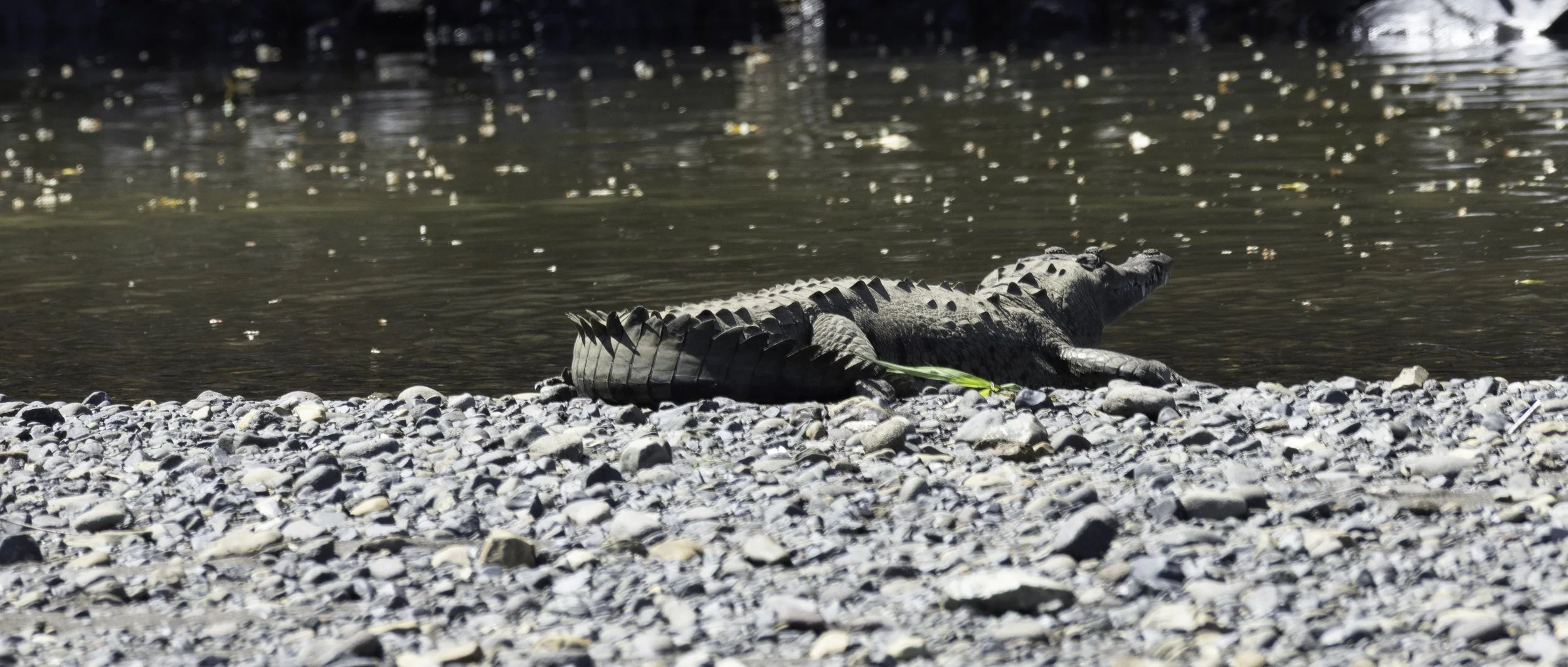
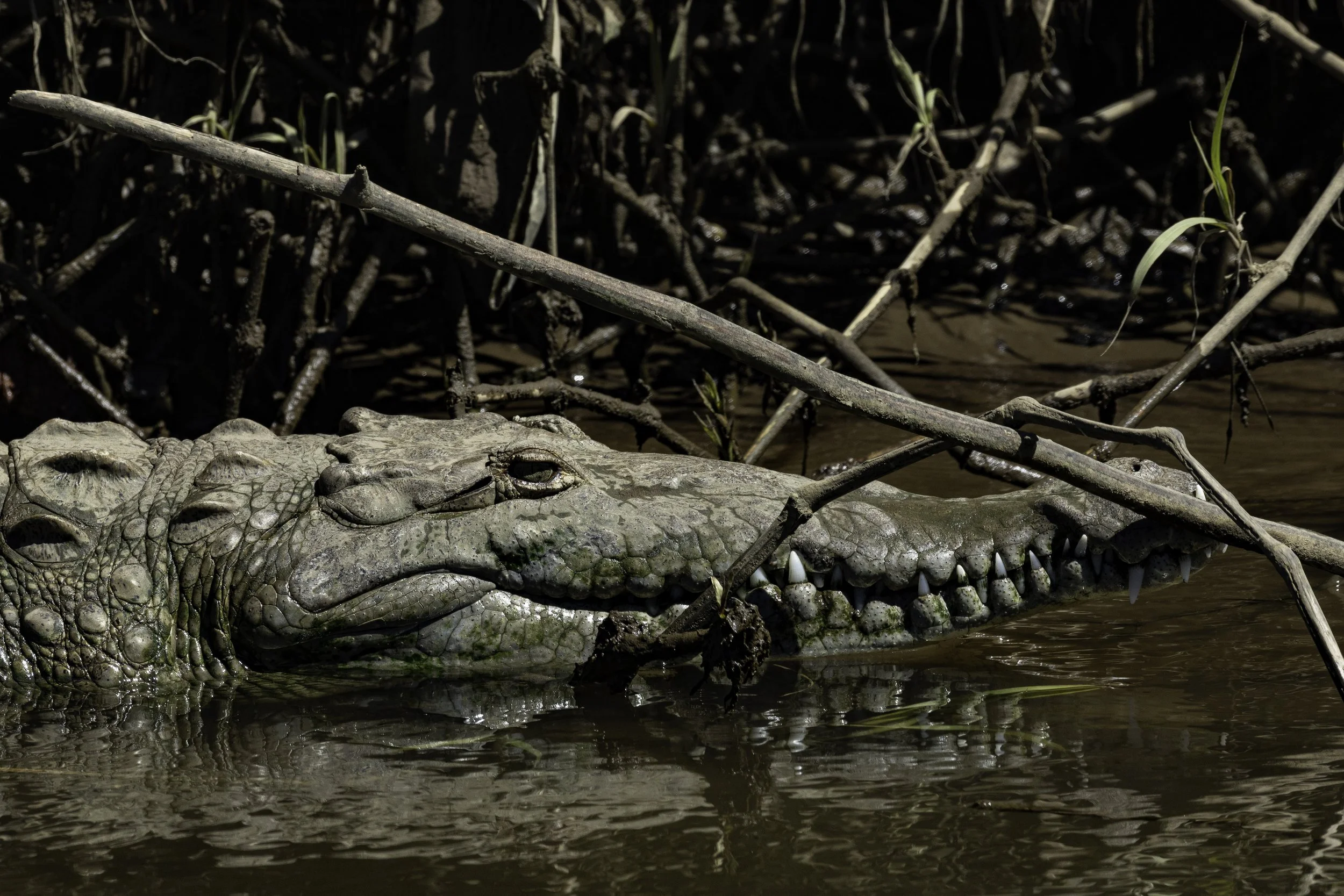
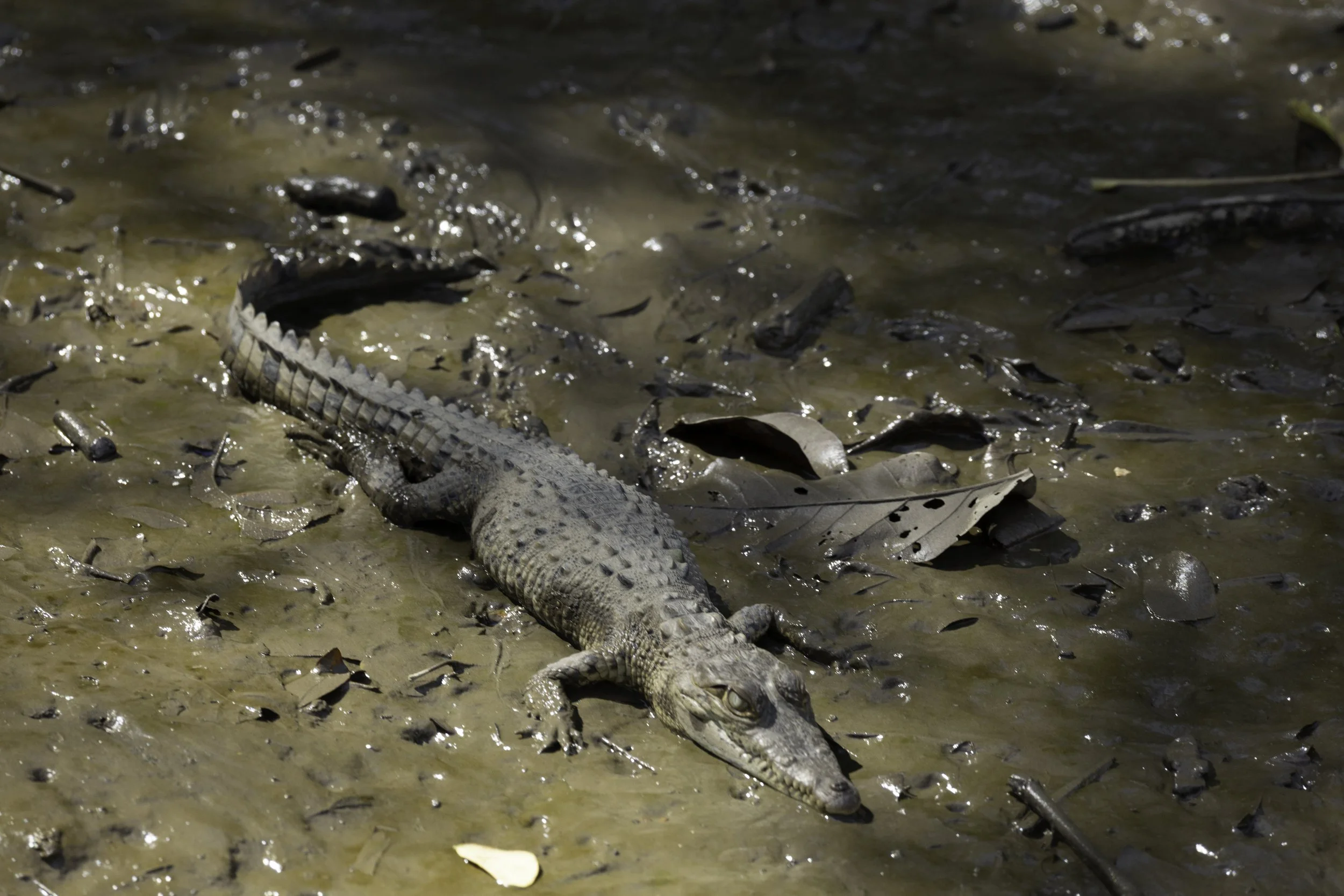
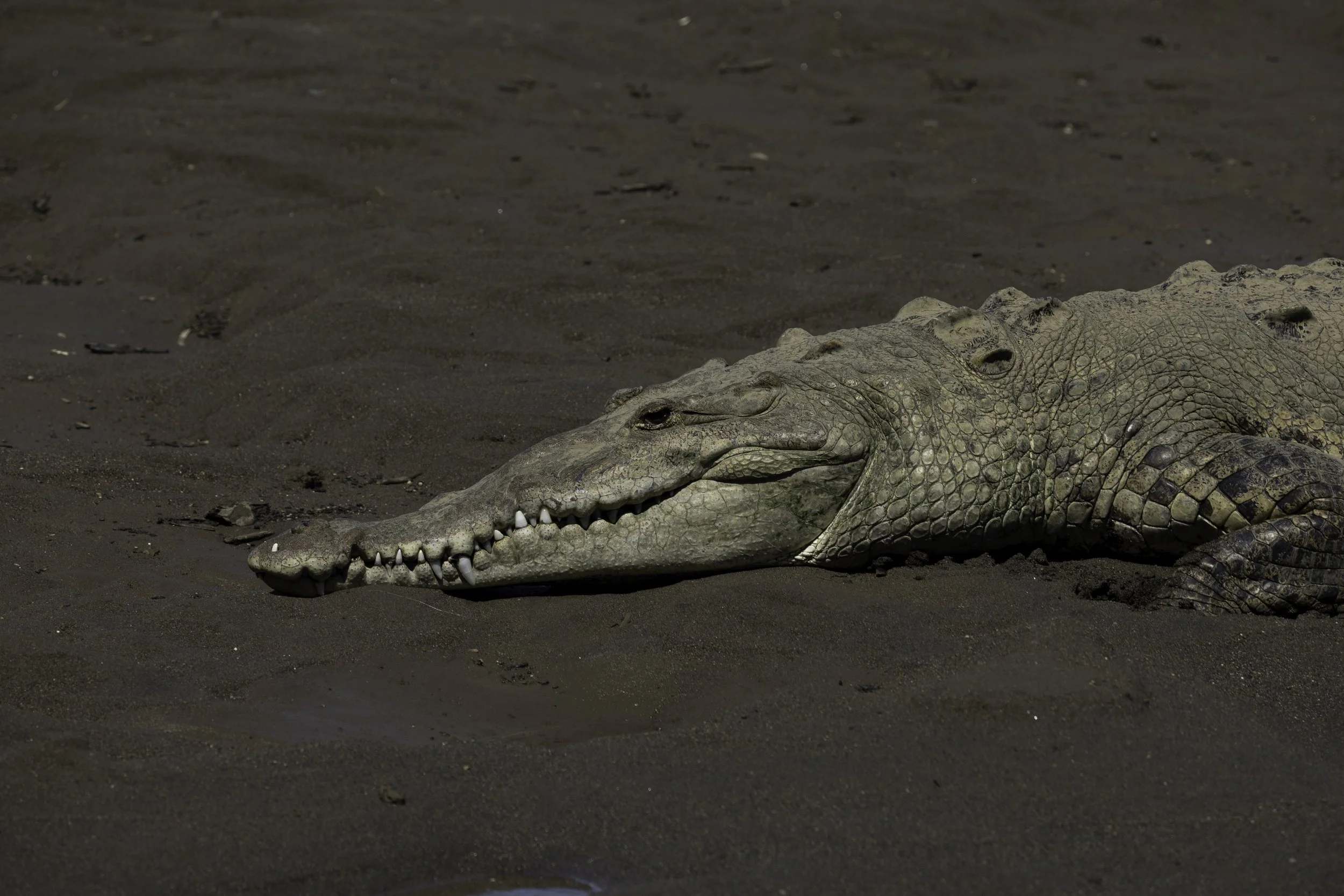
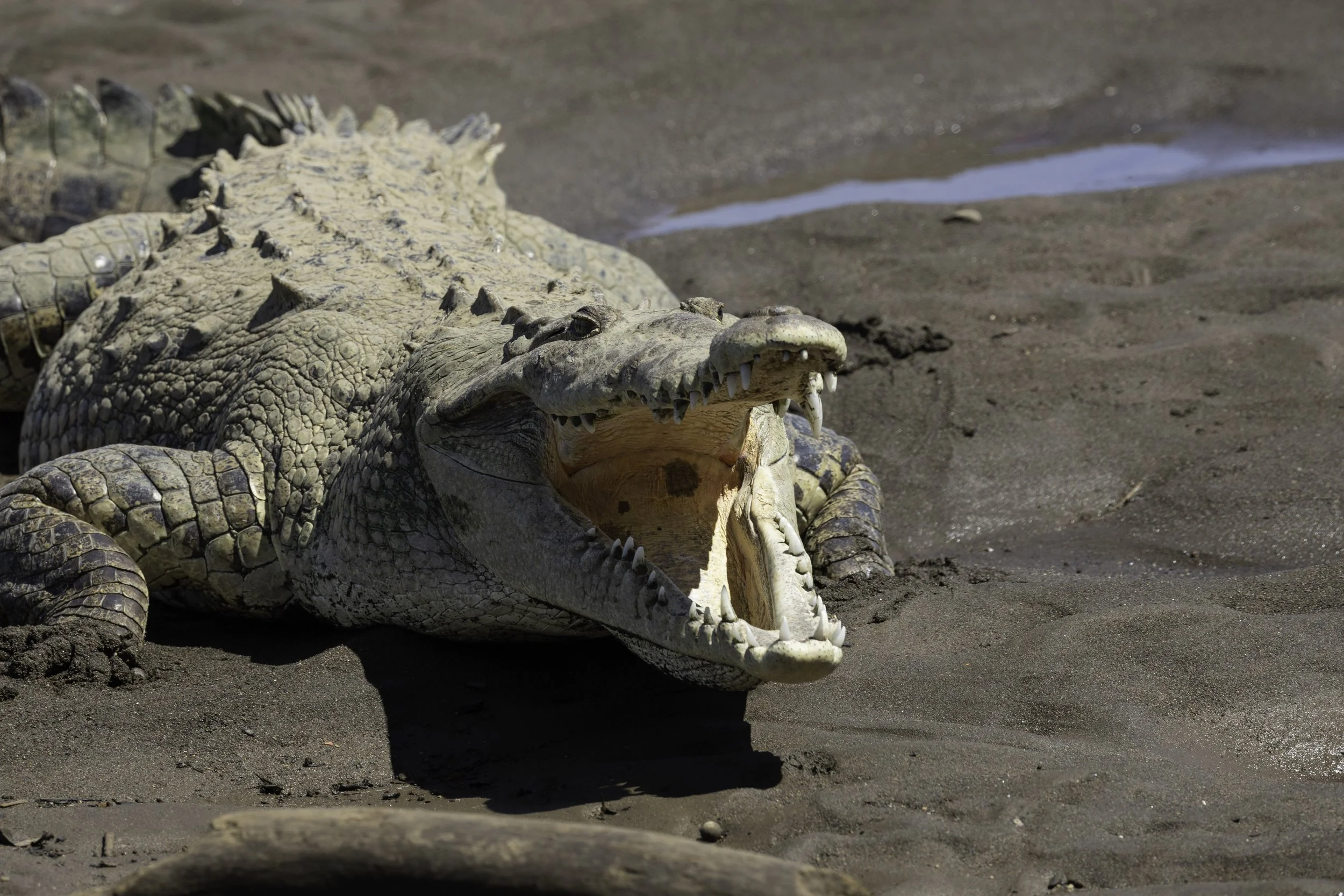
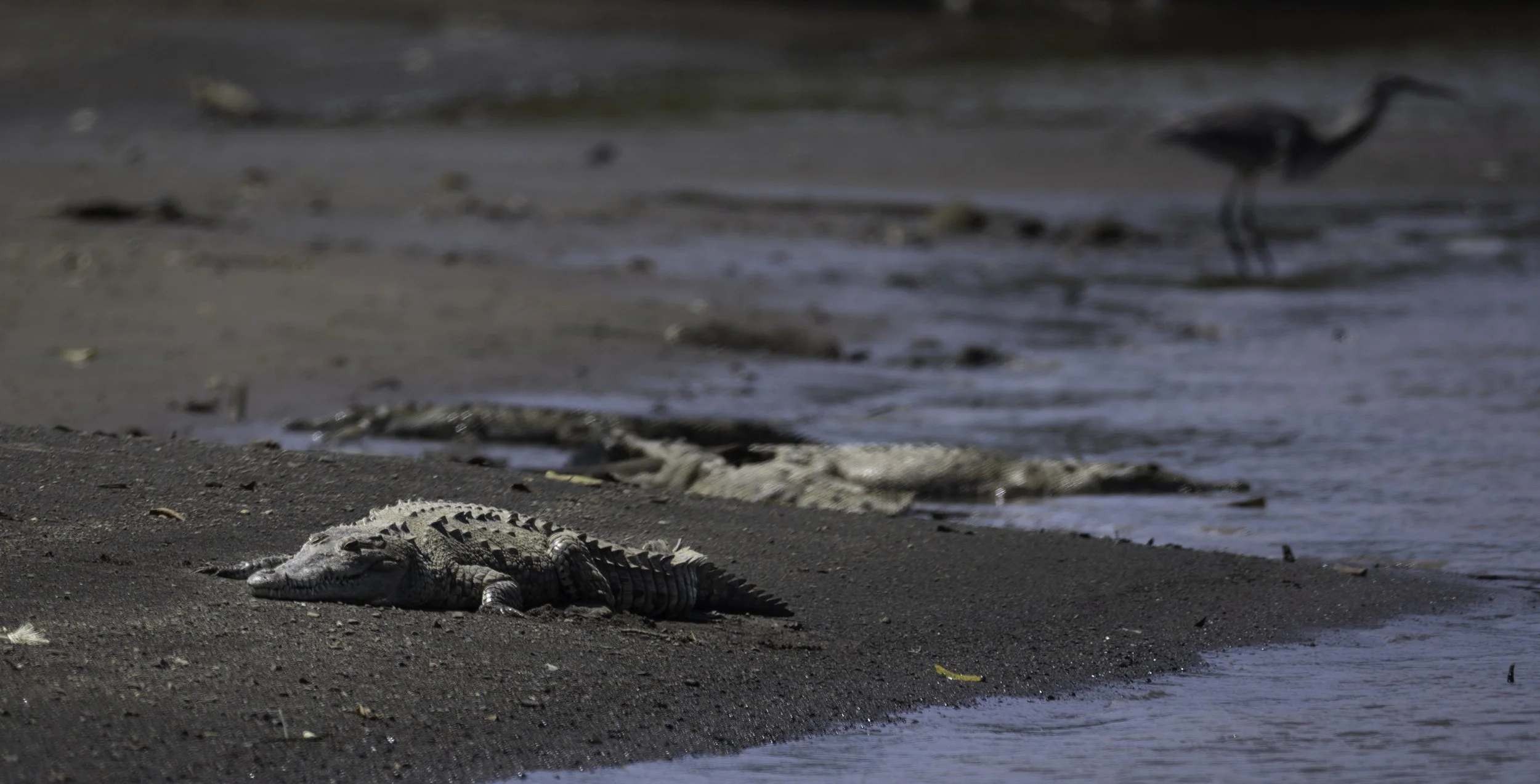
We checked out of the resort and began our transfer back to San José. En route, we stopped for a crocodile safari boat ride on the Tárcoles River. For me, this was the highlight of the trip. As we navigated up the river, Katherine, our Group Leader, provided background information on the resident crocodiles. The Tárcoles River Basin is one of the most important in the Pacific coastal region, virtually draining the entire western side of the Central Valley. Tárcoles hosts an amazing diversity of wildlife along its banks and in the extensive mangrove ecosystem. Perhaps the most famous of all the river’s inhabitants are its enormous crocodiles.
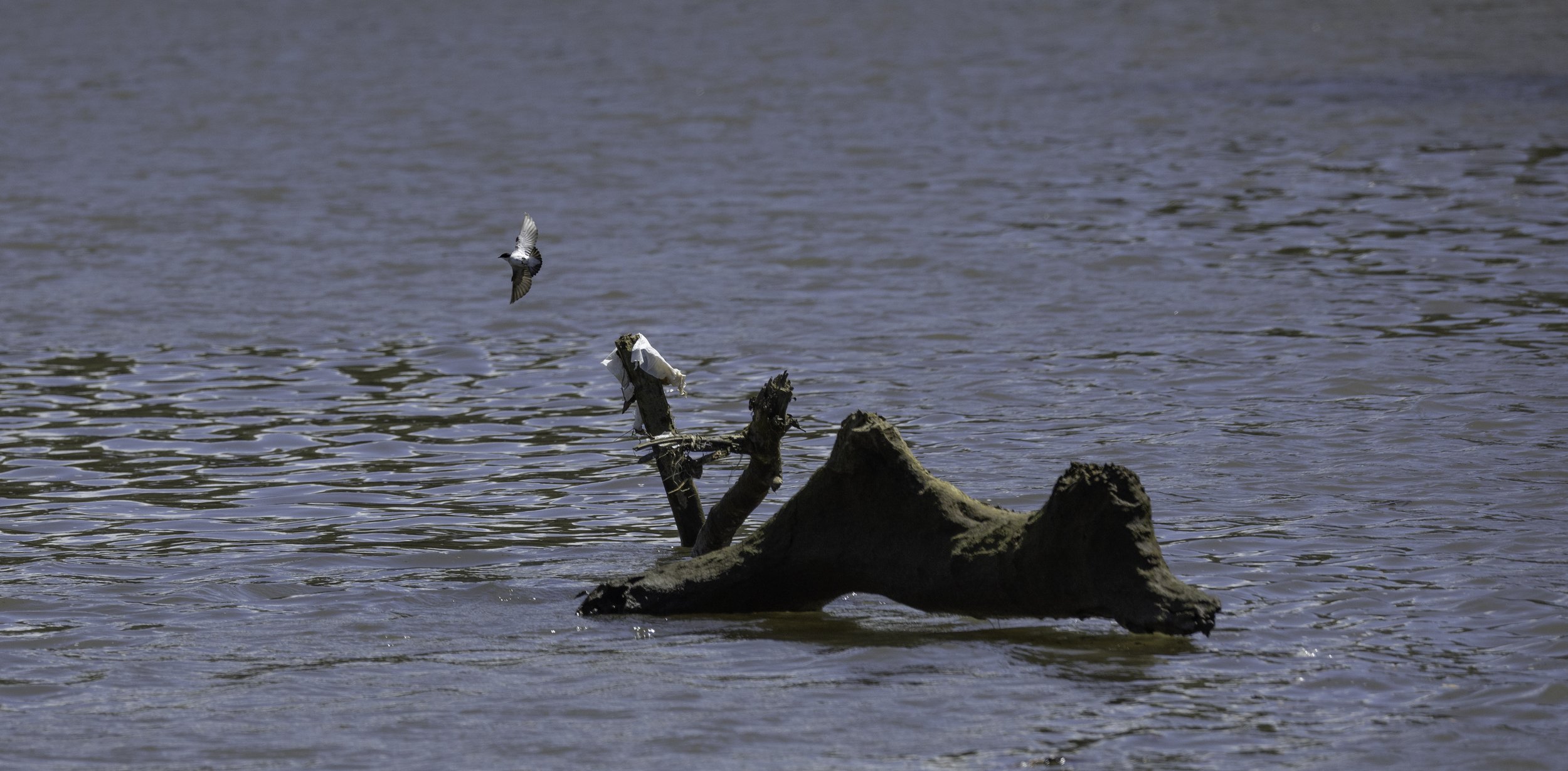
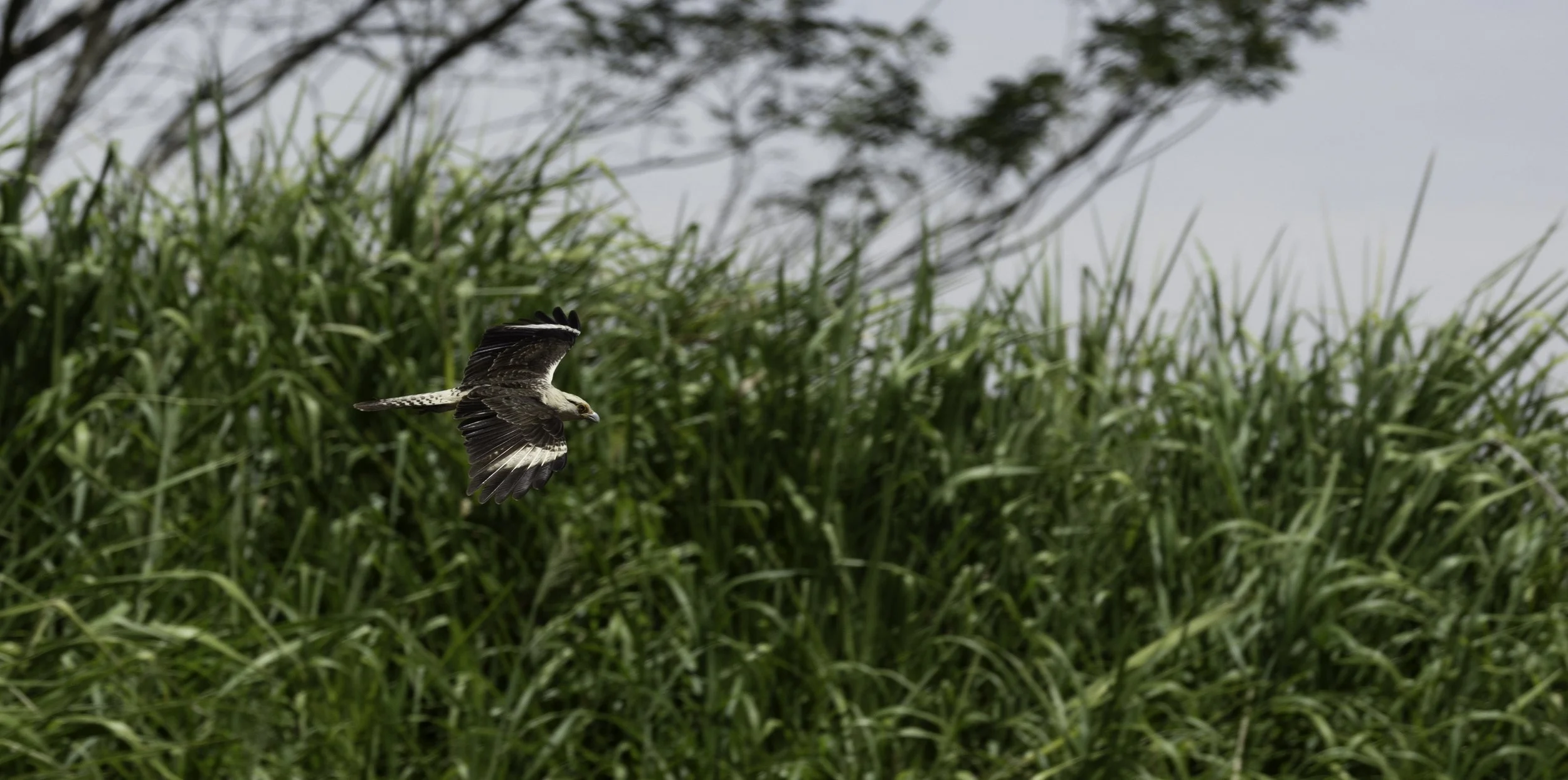
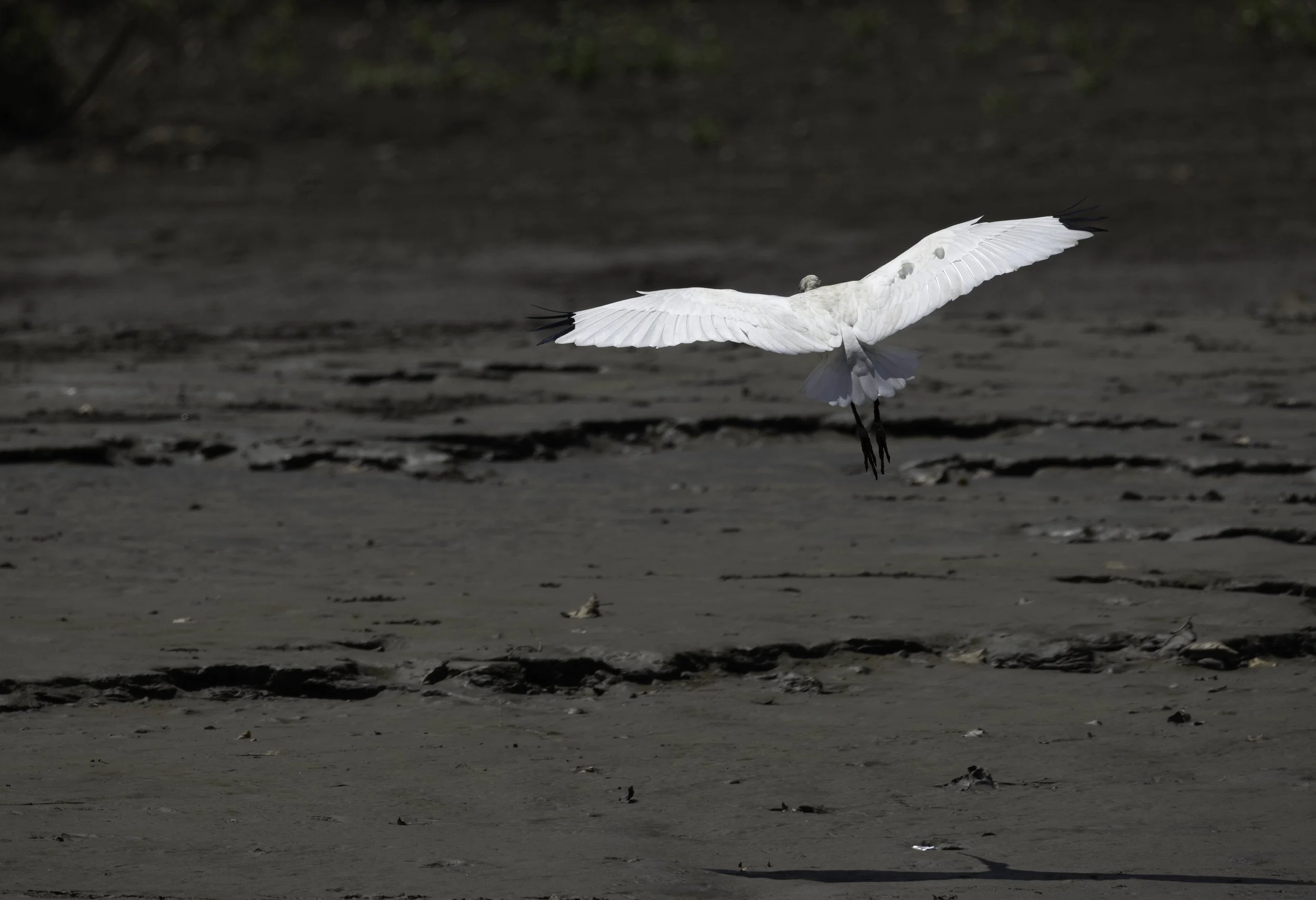
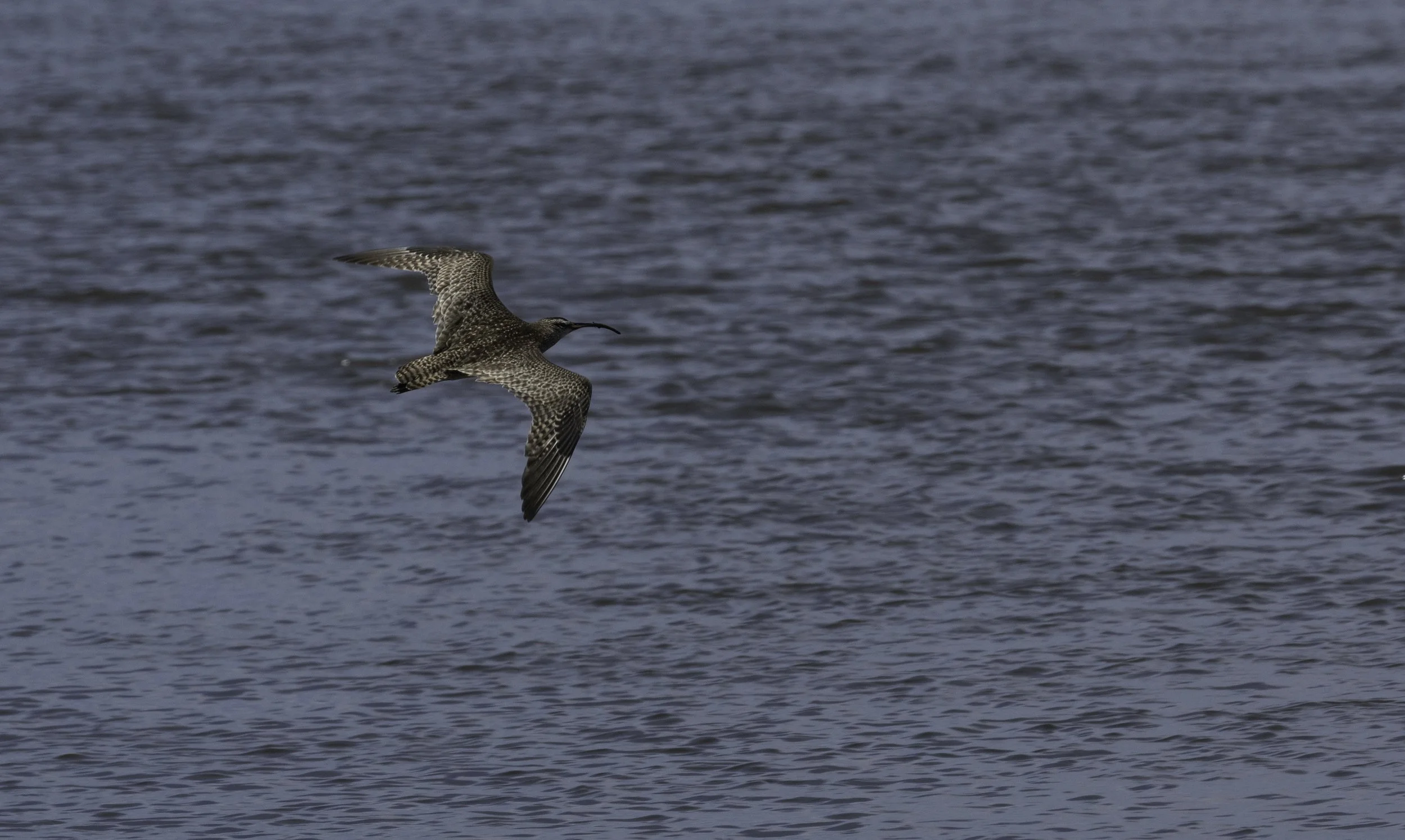
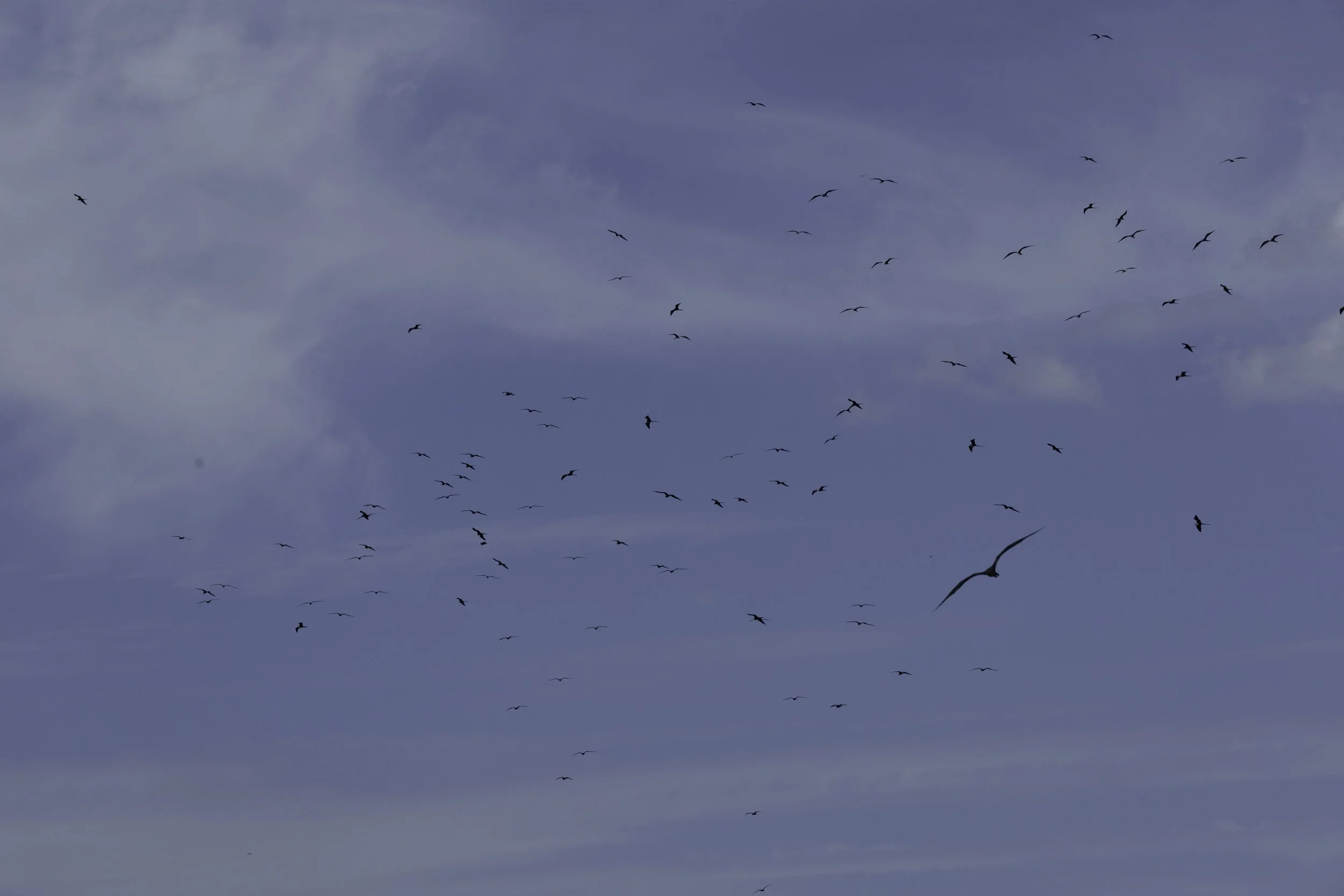
Birds In Flight
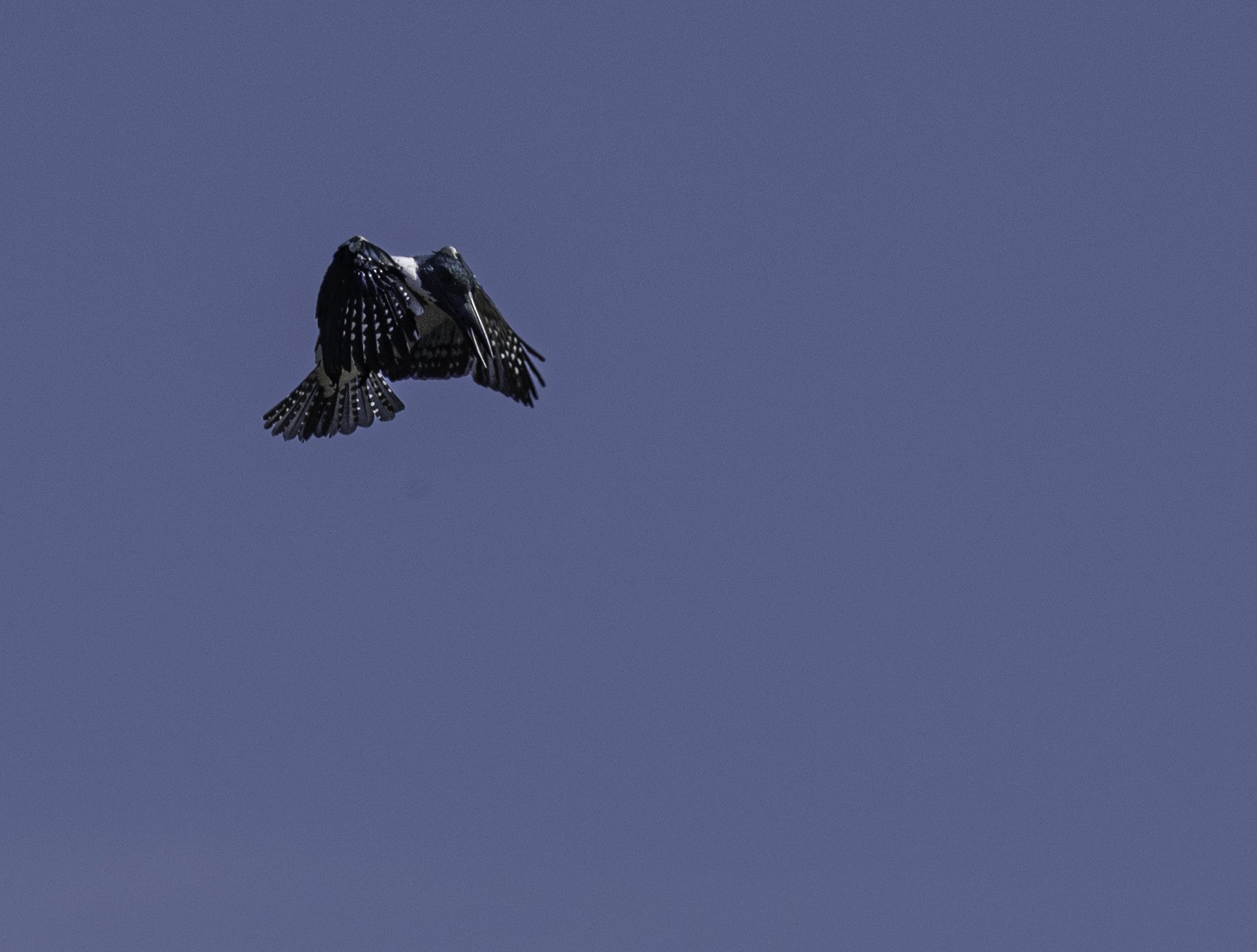
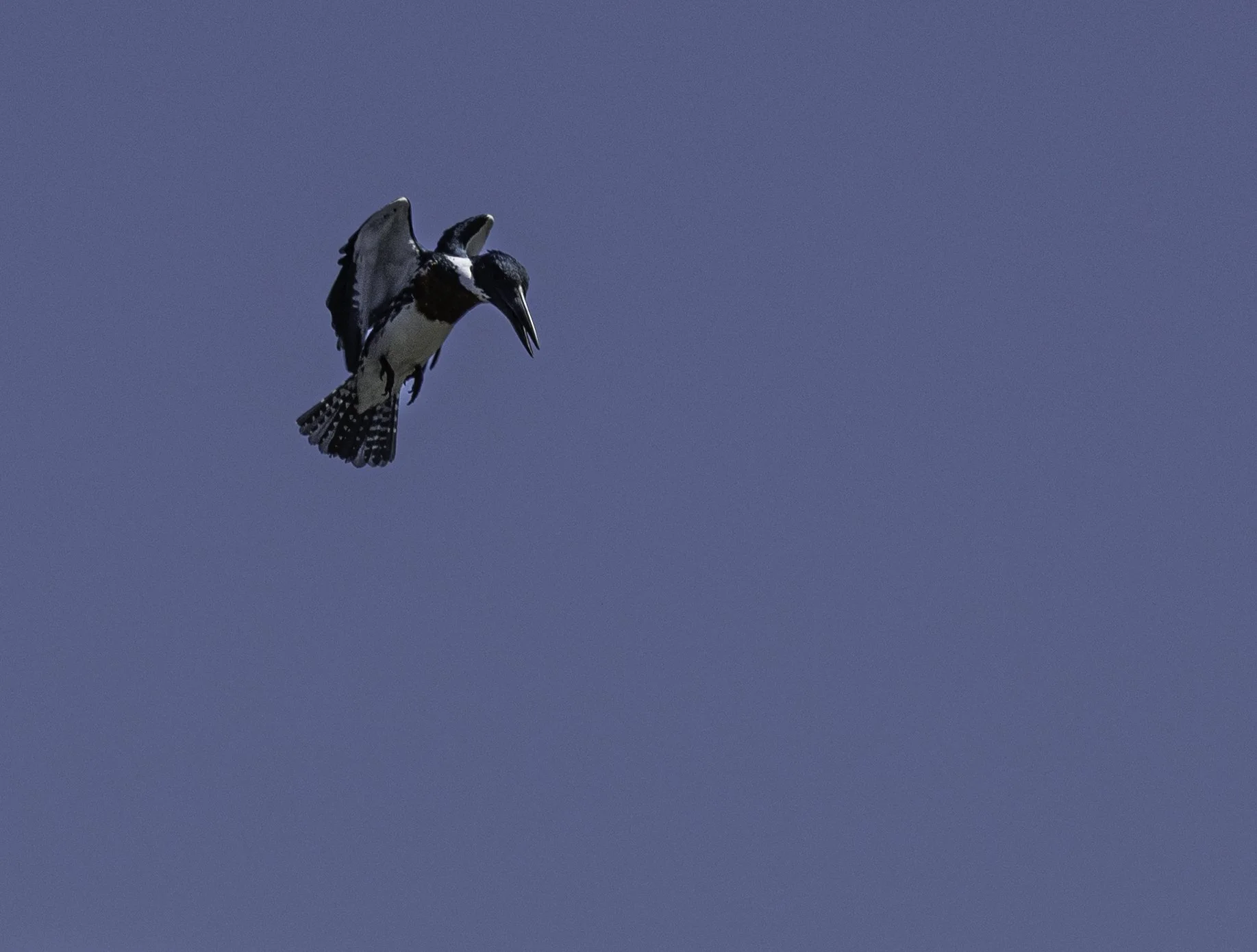
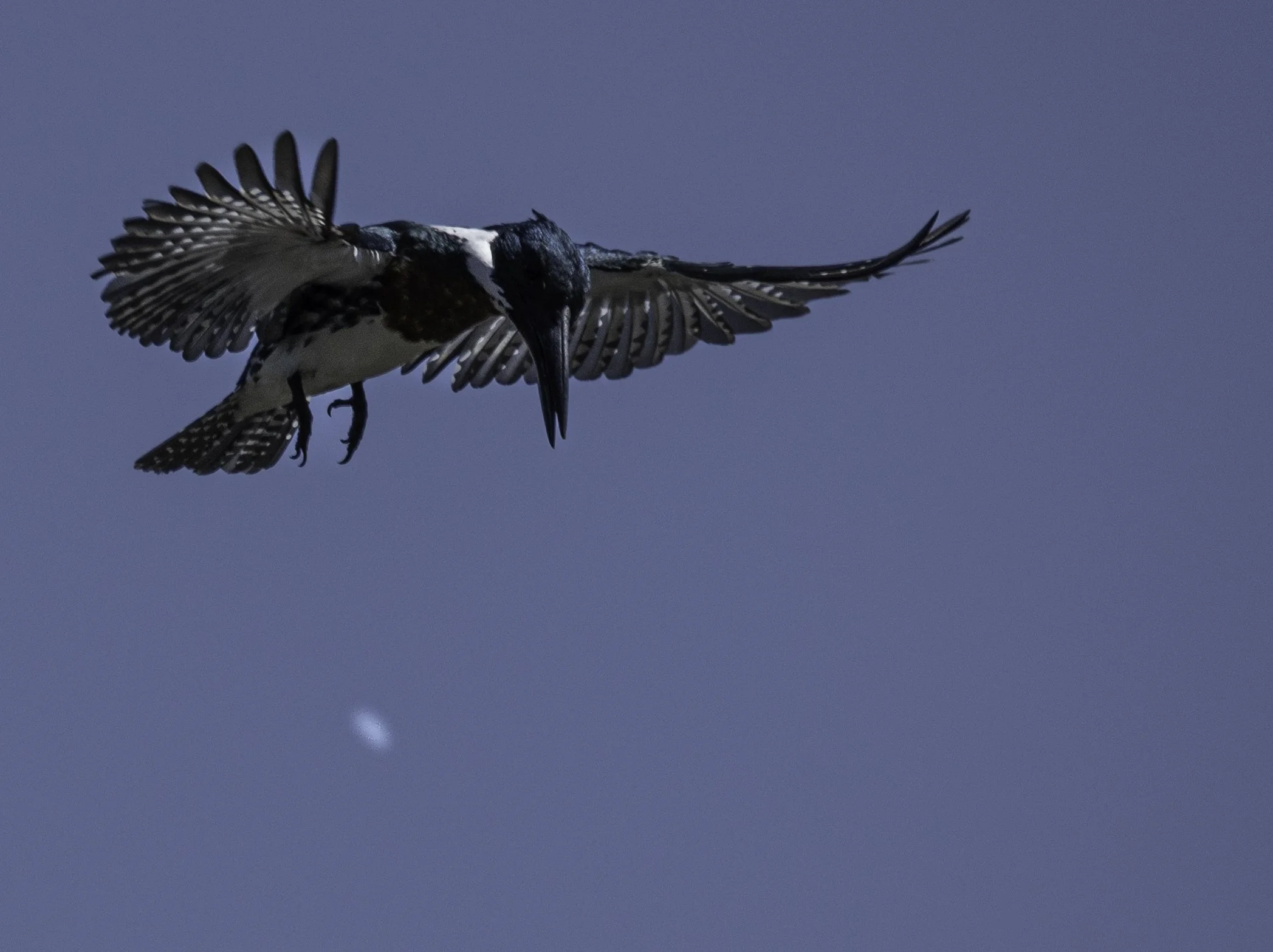
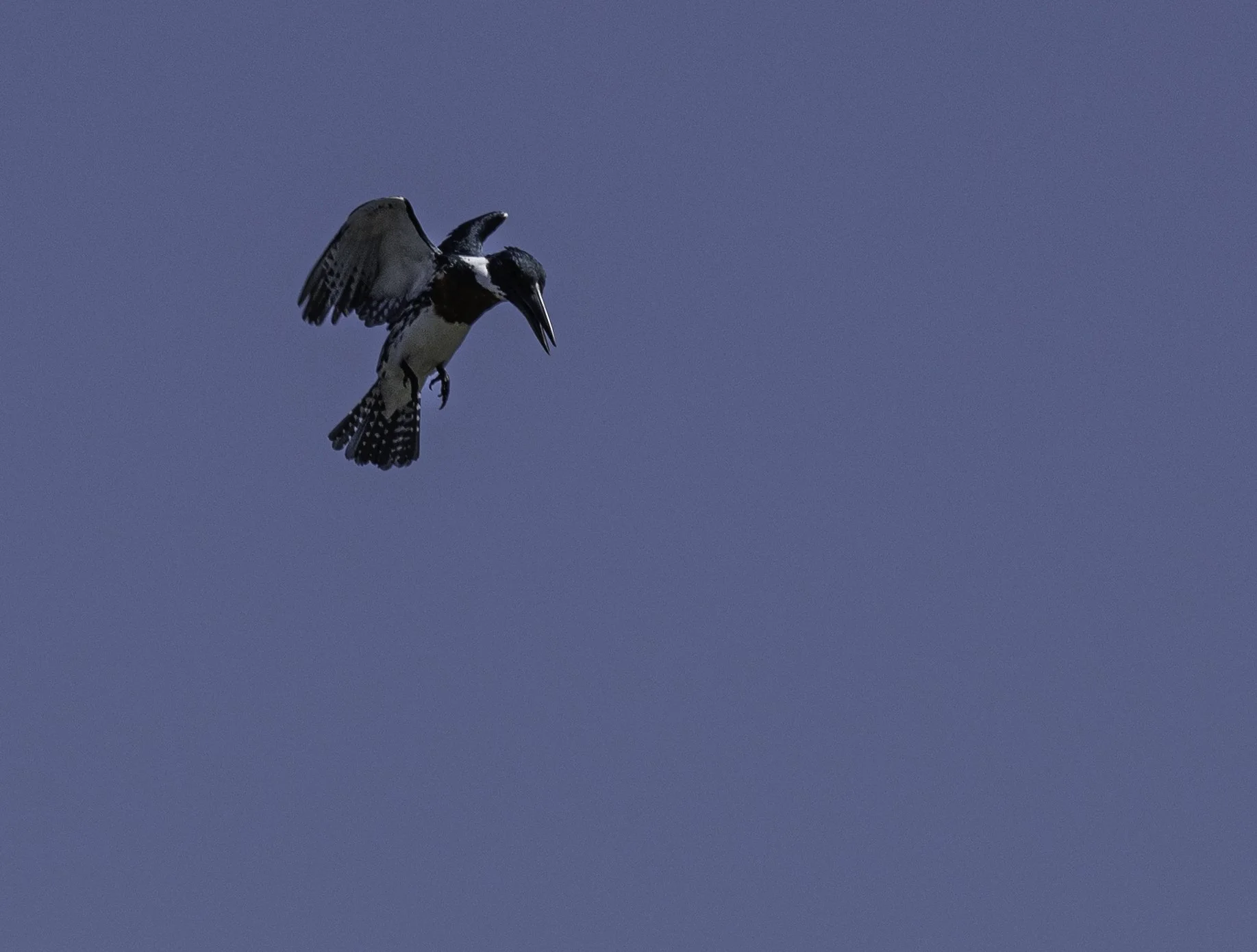
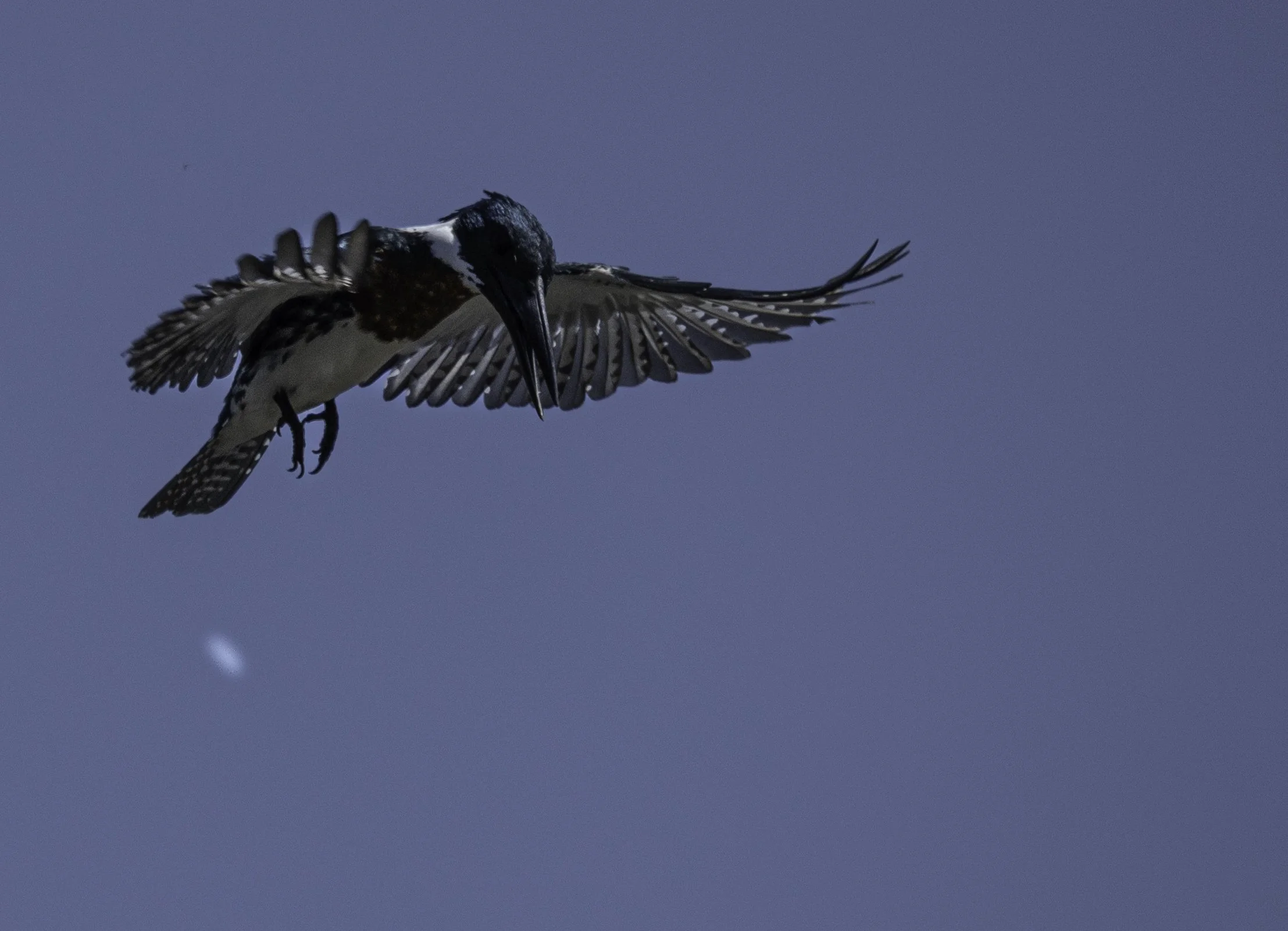
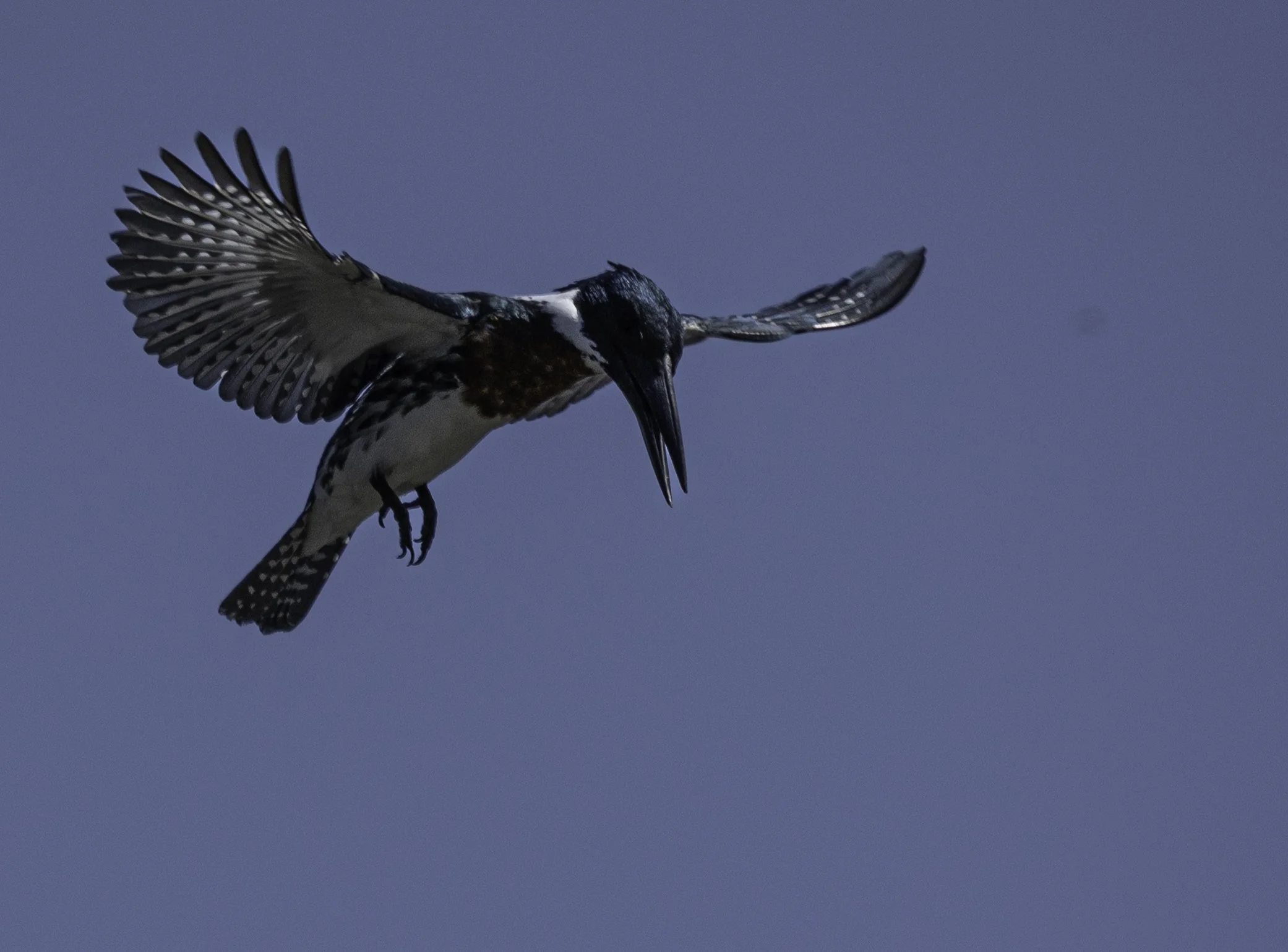
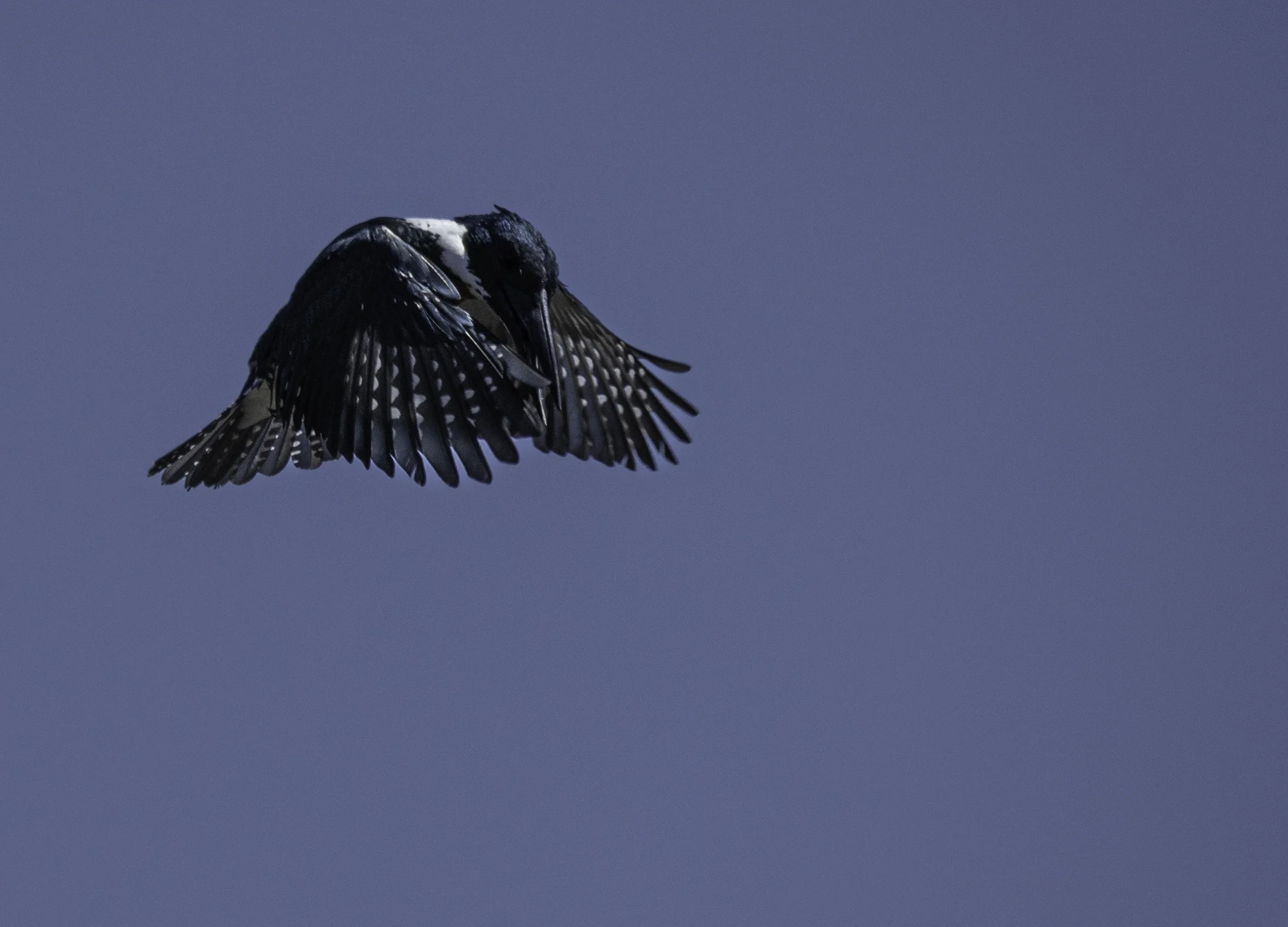
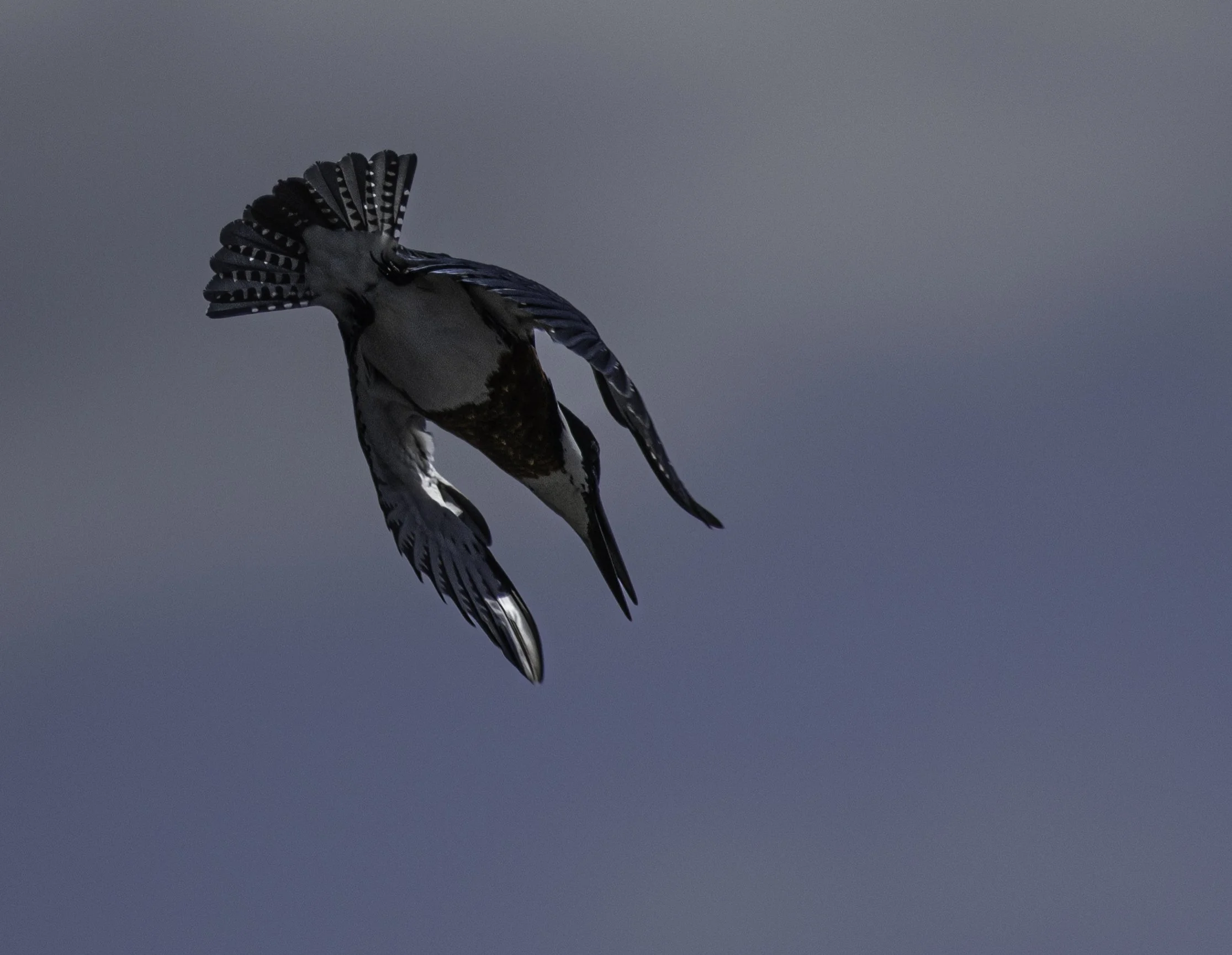
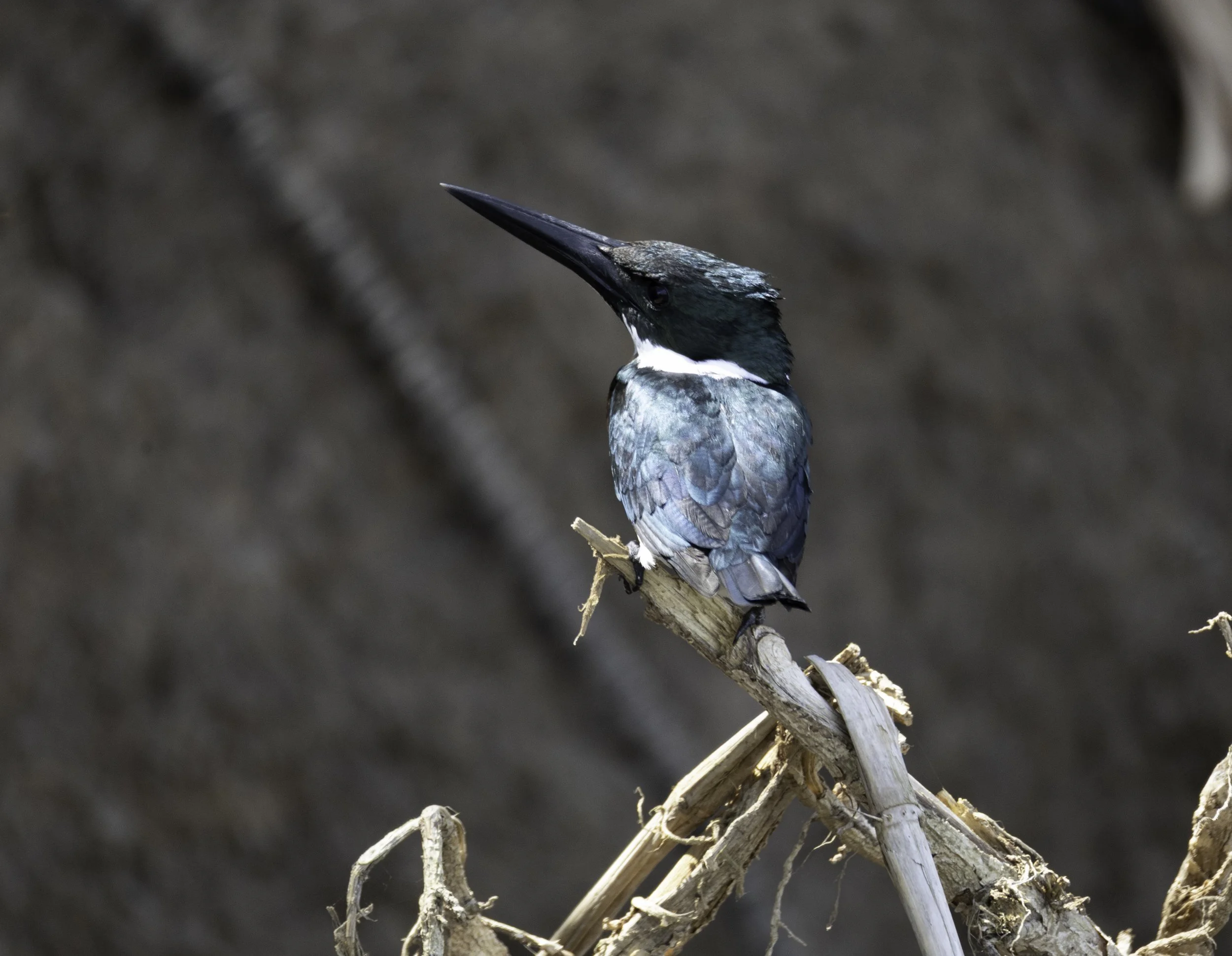
Kingfisher Spotting Lunch
Commonly referred to as BIF, these are typically hard to capture. First you have to have the right gear and lots of practice. Here is an example of a Kingfisher spotting his lunch and making the dive.
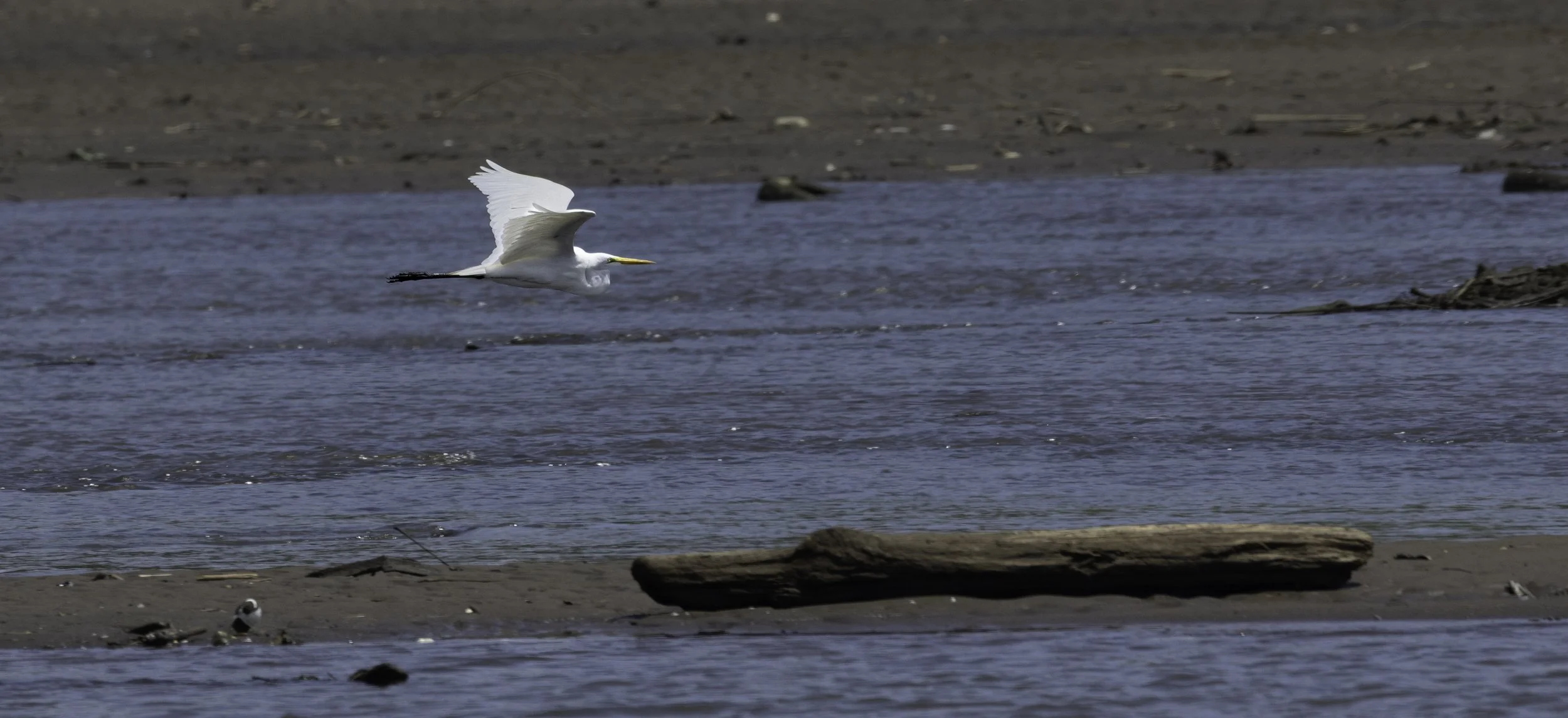
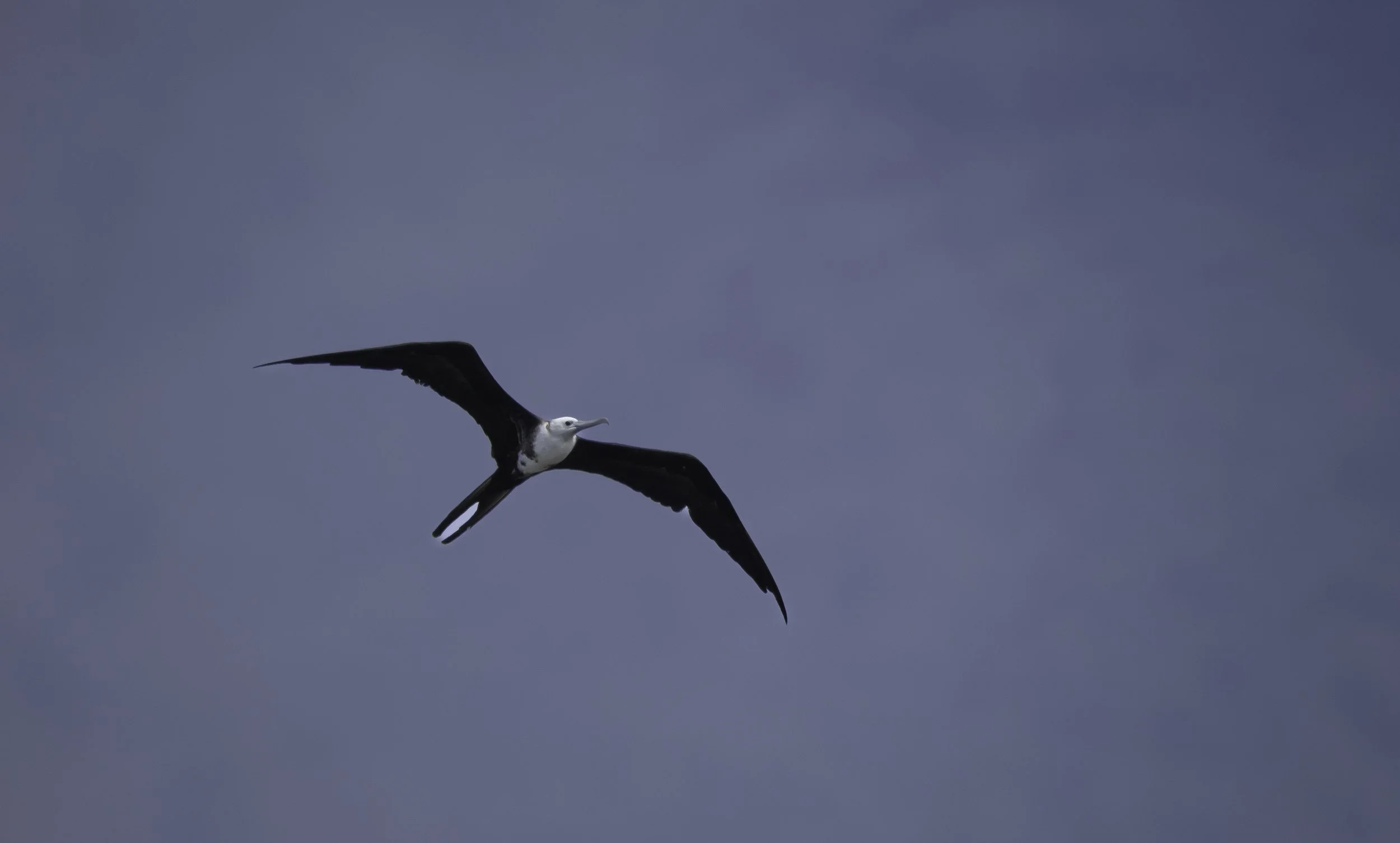
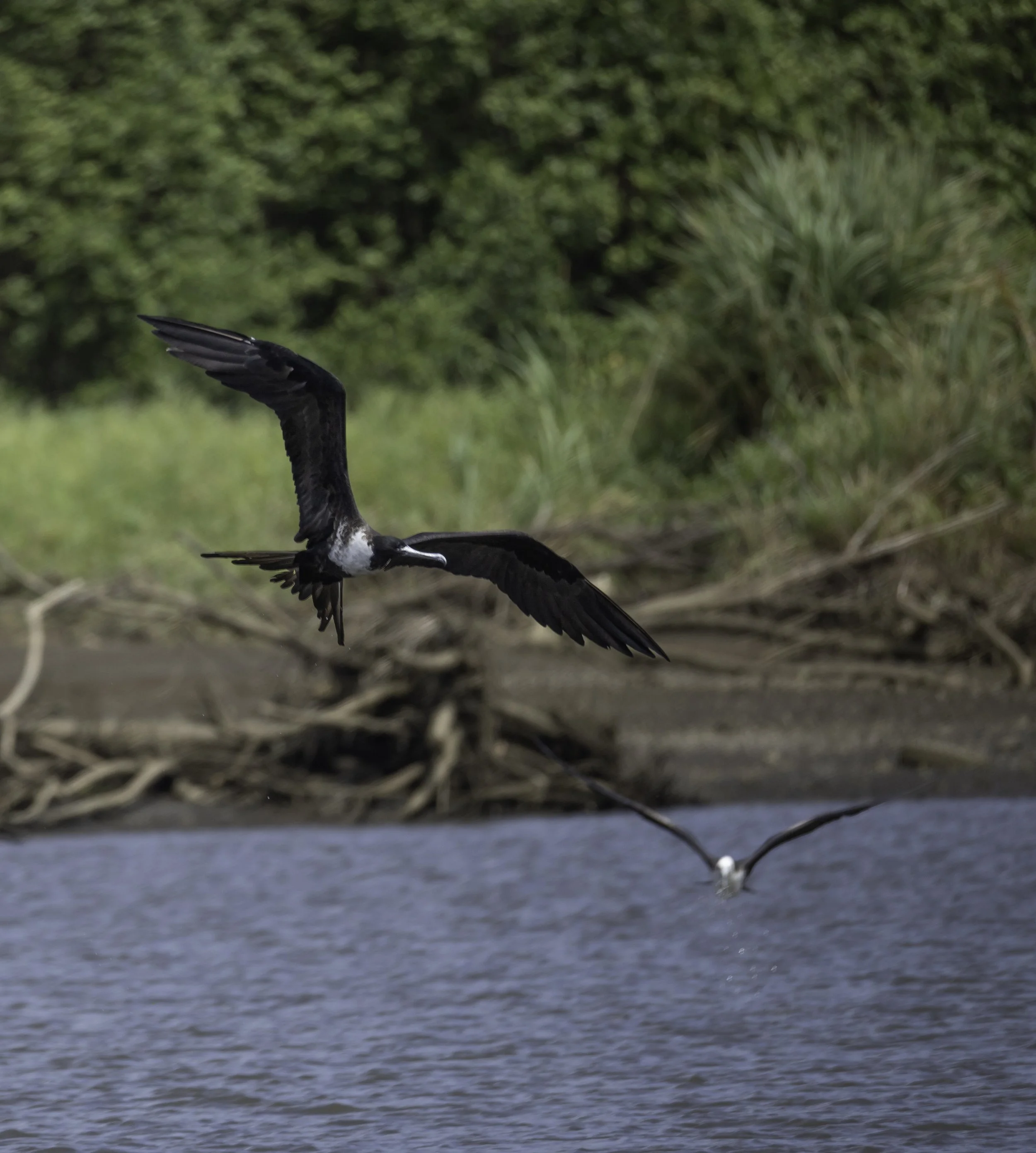
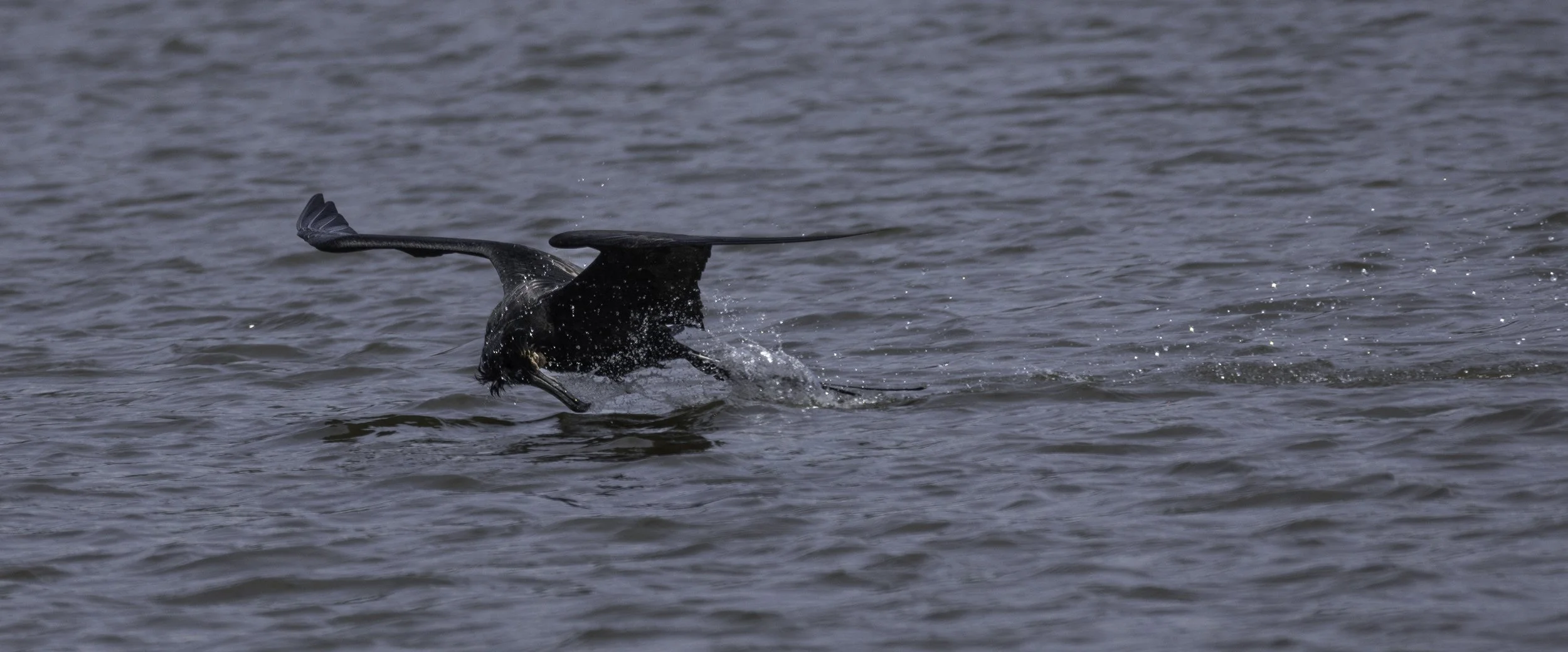
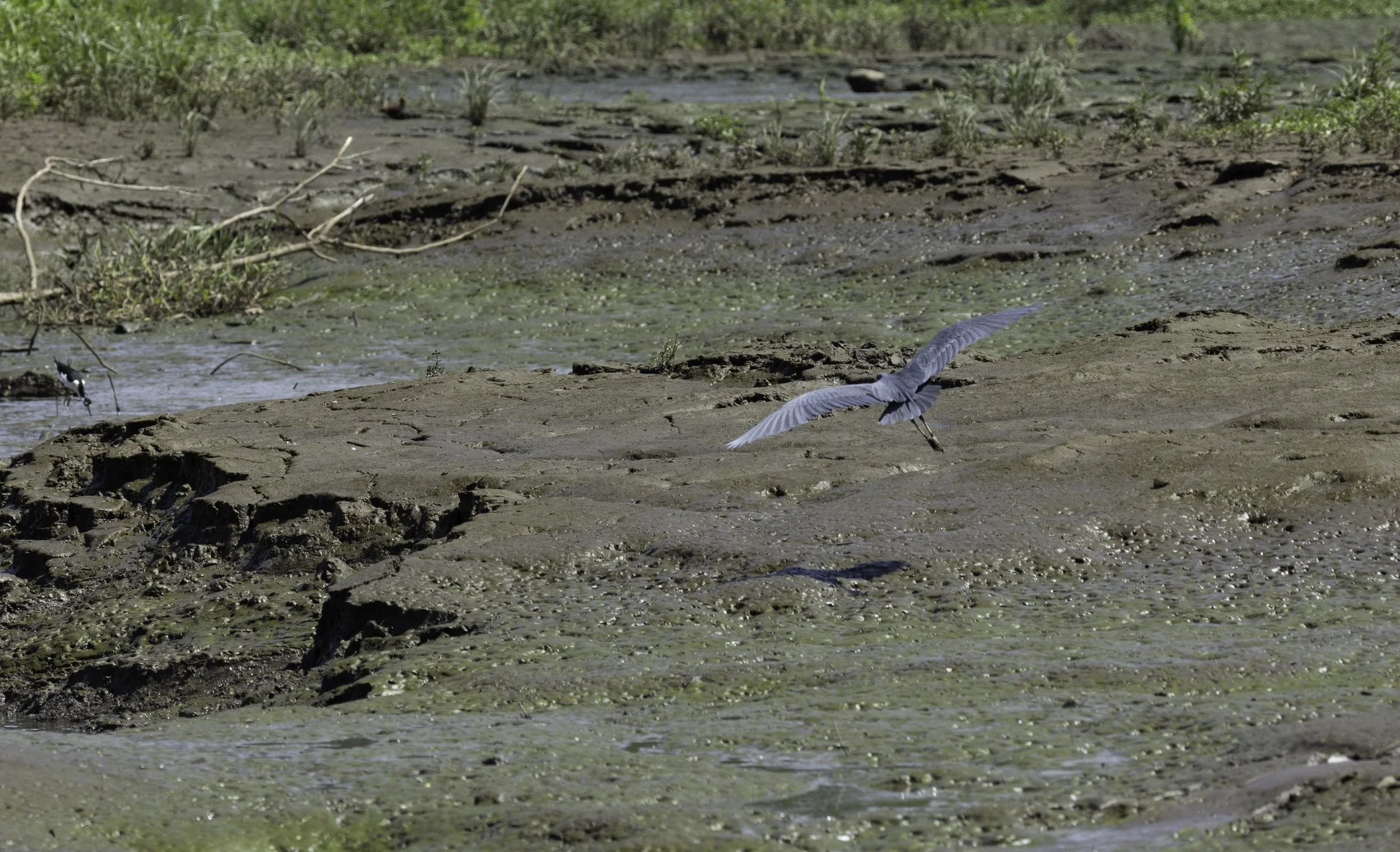
More Birds In Flight
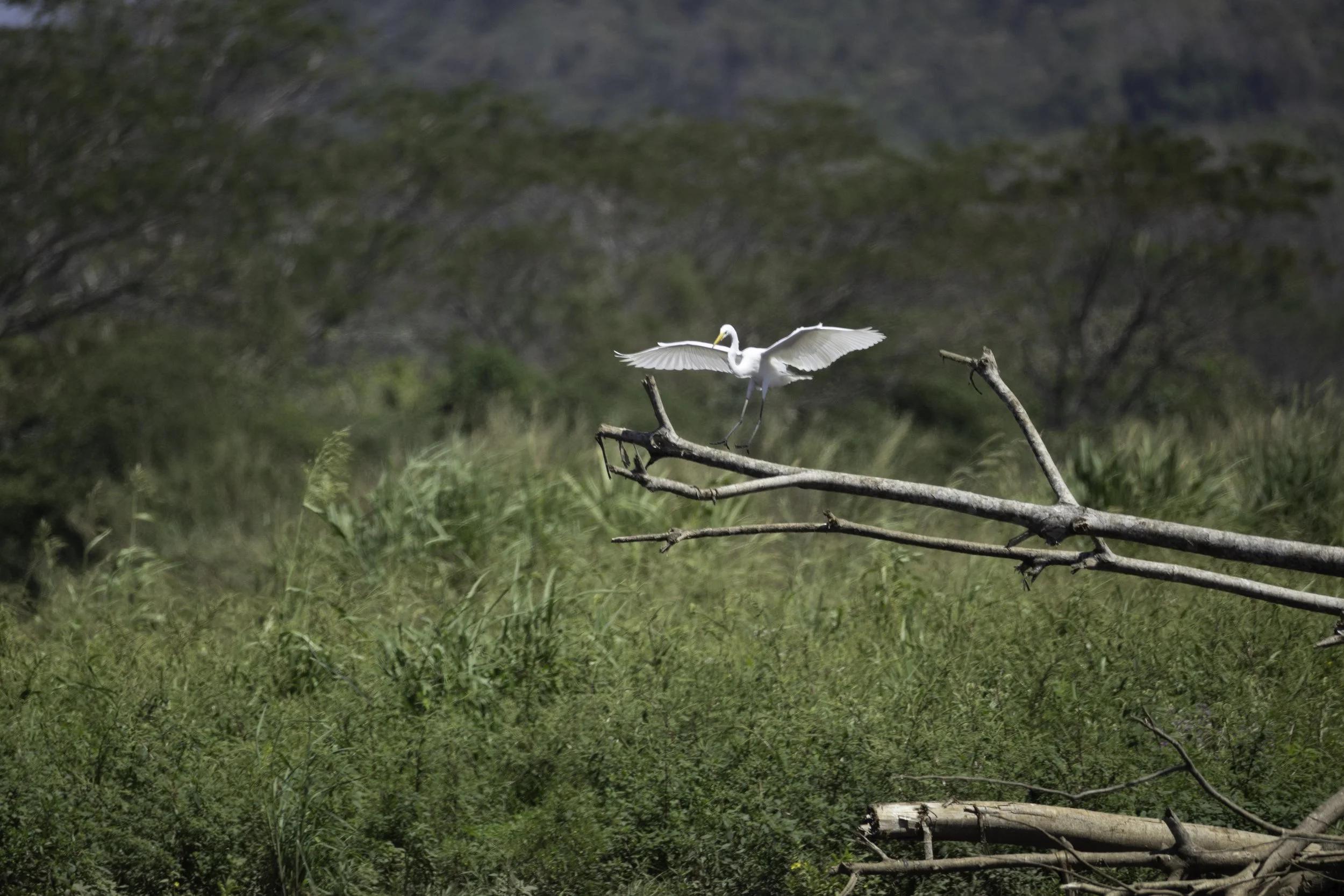
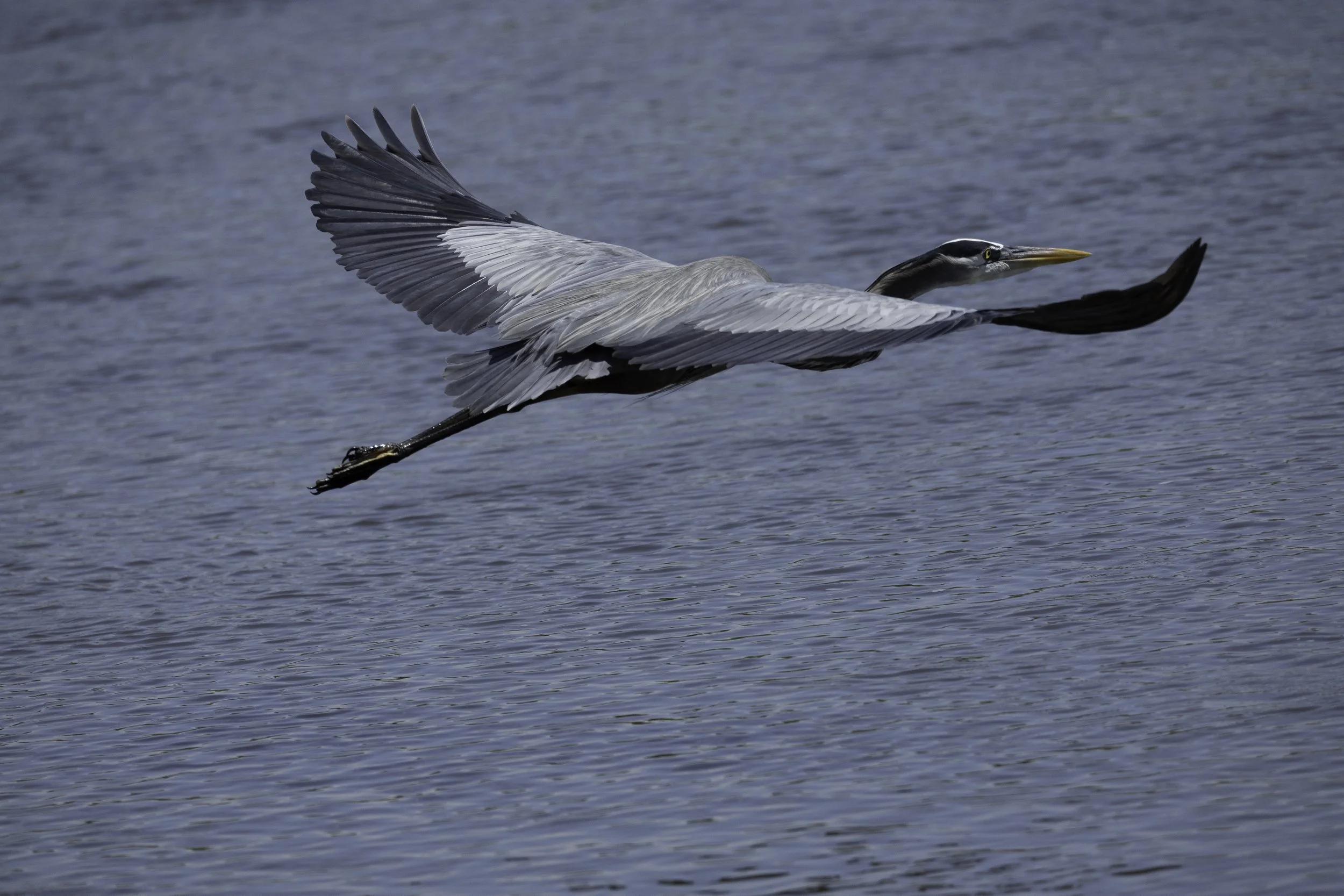
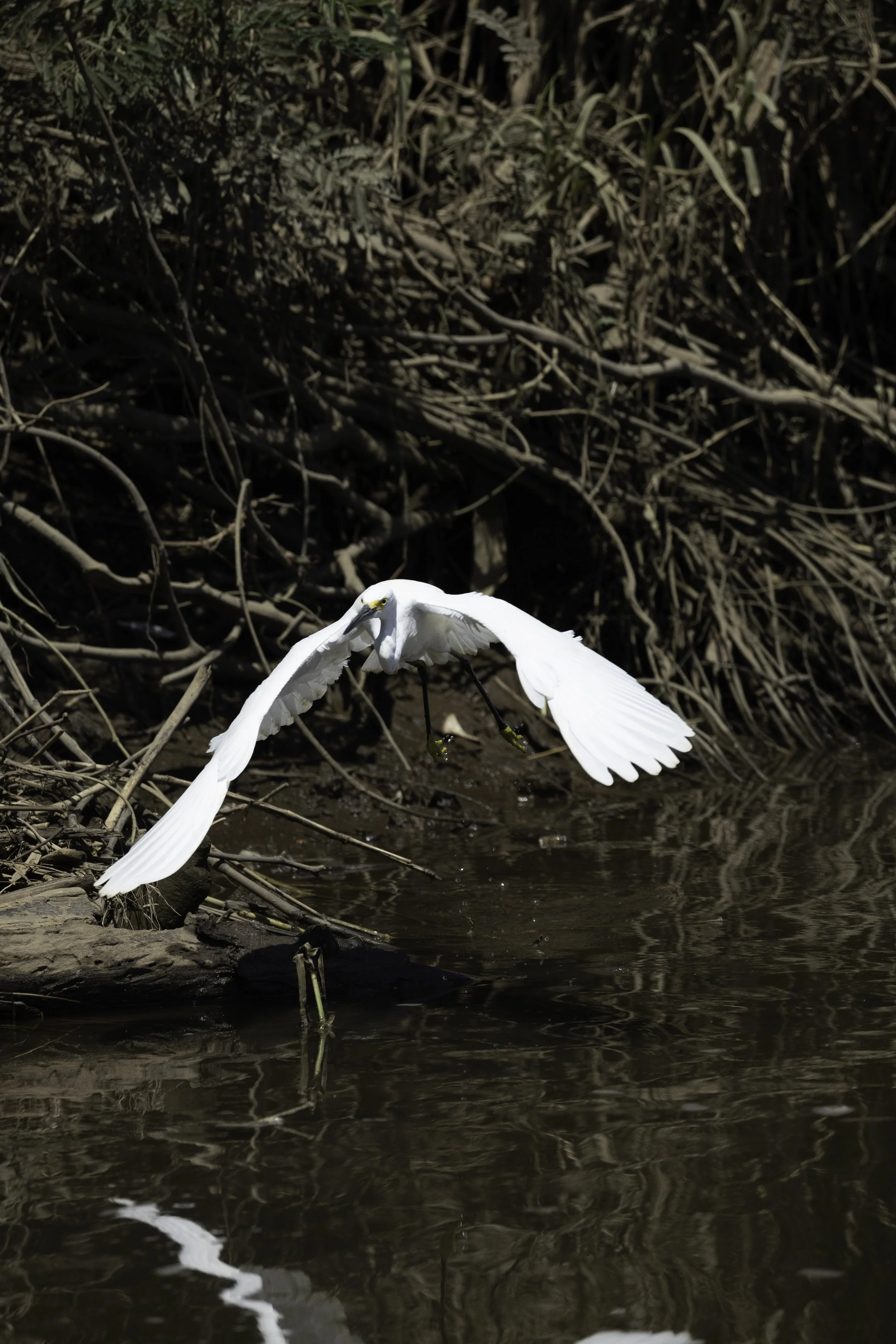
How much fun can one man have with a camera? So much that I carried two — each with a different lens setup — ready for whatever moment decided to show itself. They felt like extensions of my hands, sleek and eager (Karen’s comment — with a smile on her face, oh yeah!) watching the subjects glide through the frame knowing that every click would cost me hours of post production, but worth it. The birds skimmed the water with such effortless grace that capturing that split-second sip became a small, perfect victory; the longer I watched, the more the scene felt majestic, as if the world had paused to let me document its quiet brilliance.
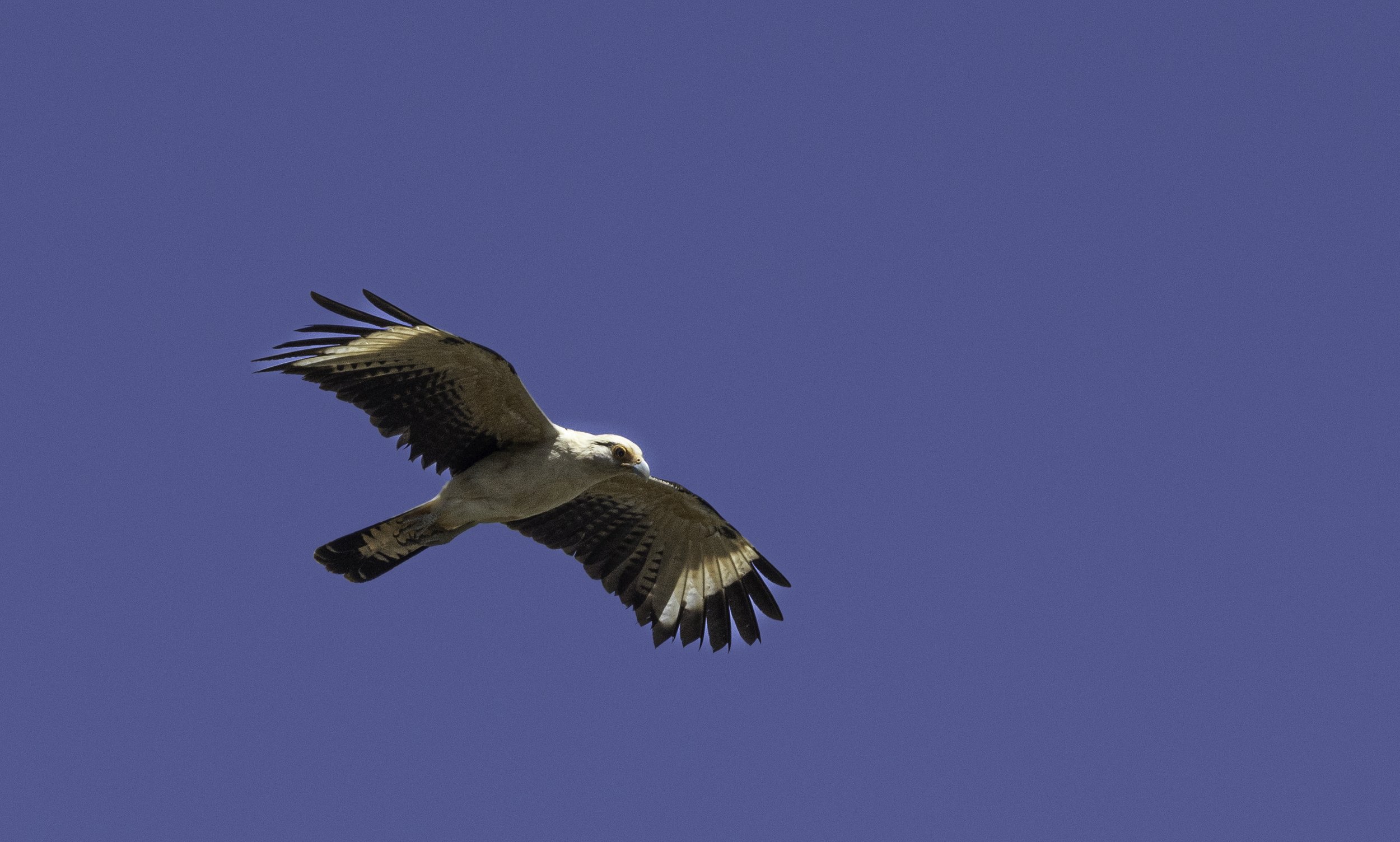
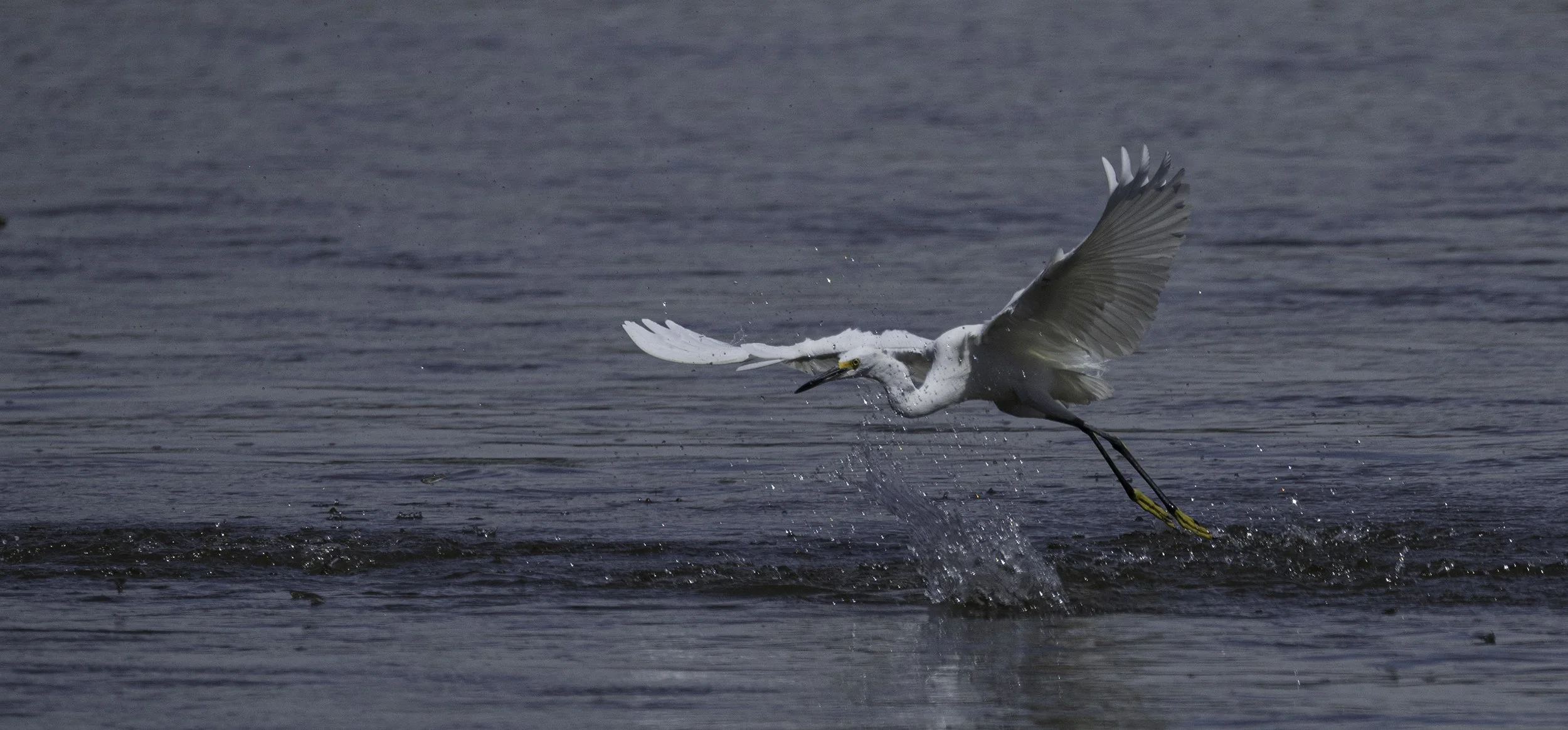
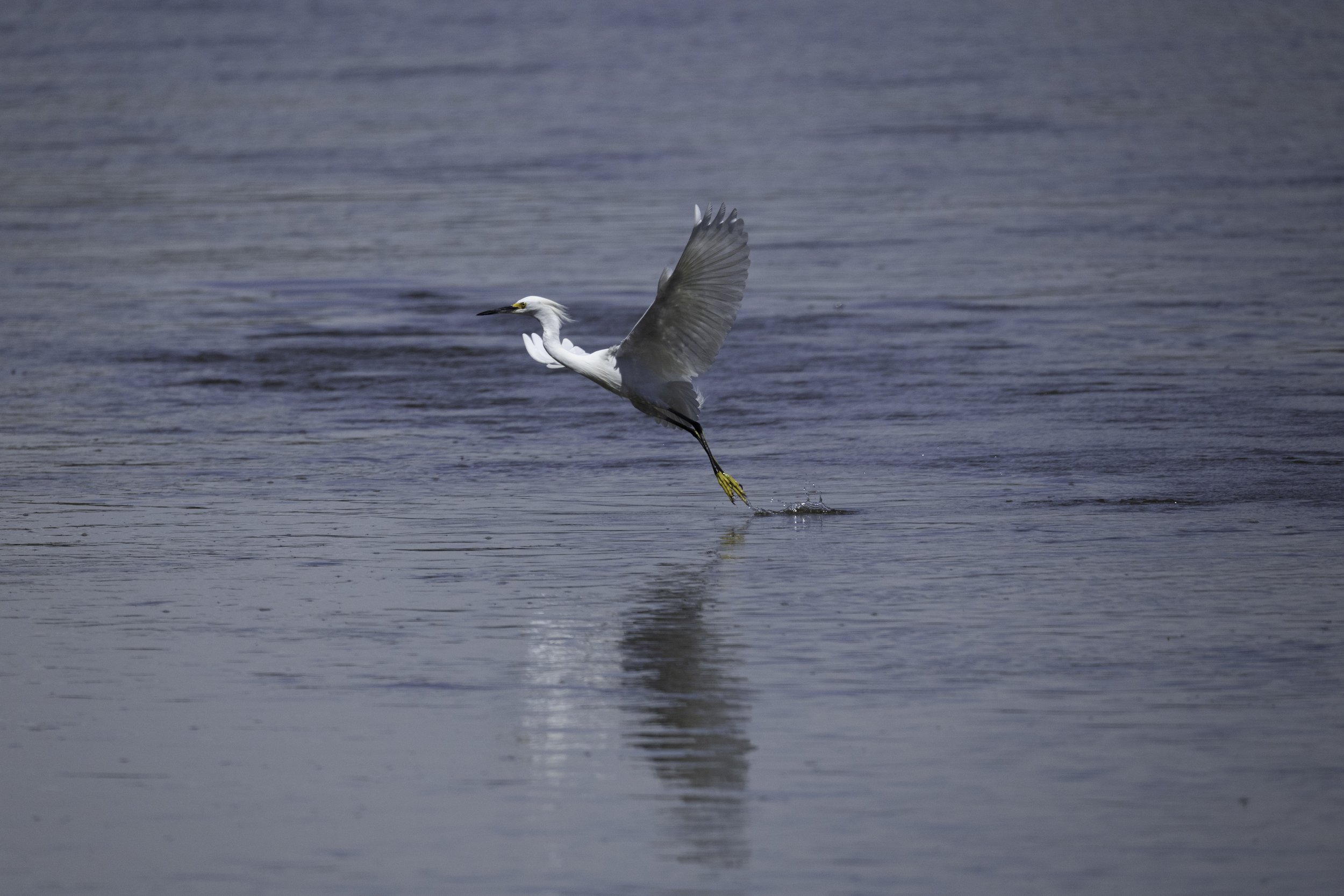
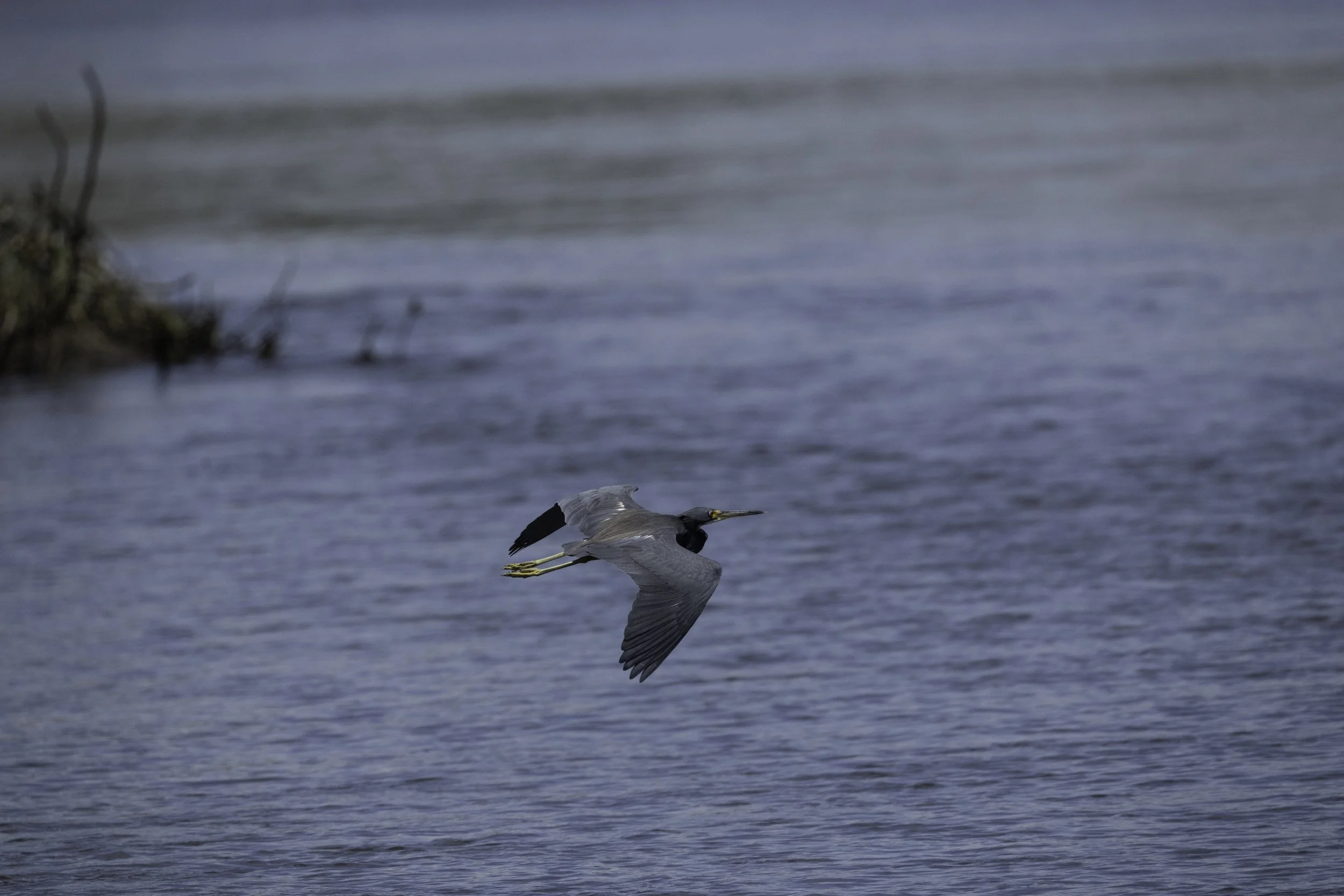
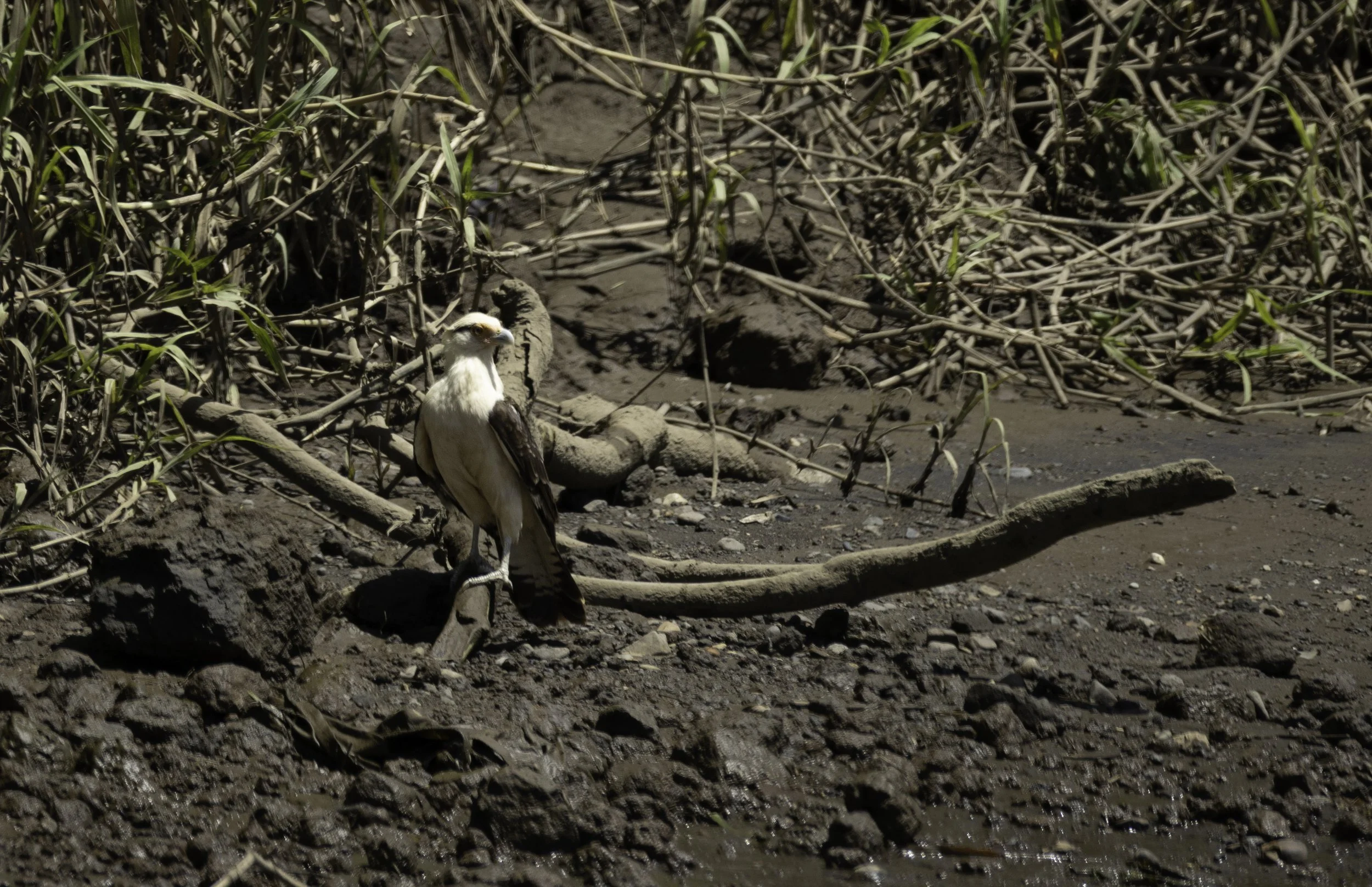
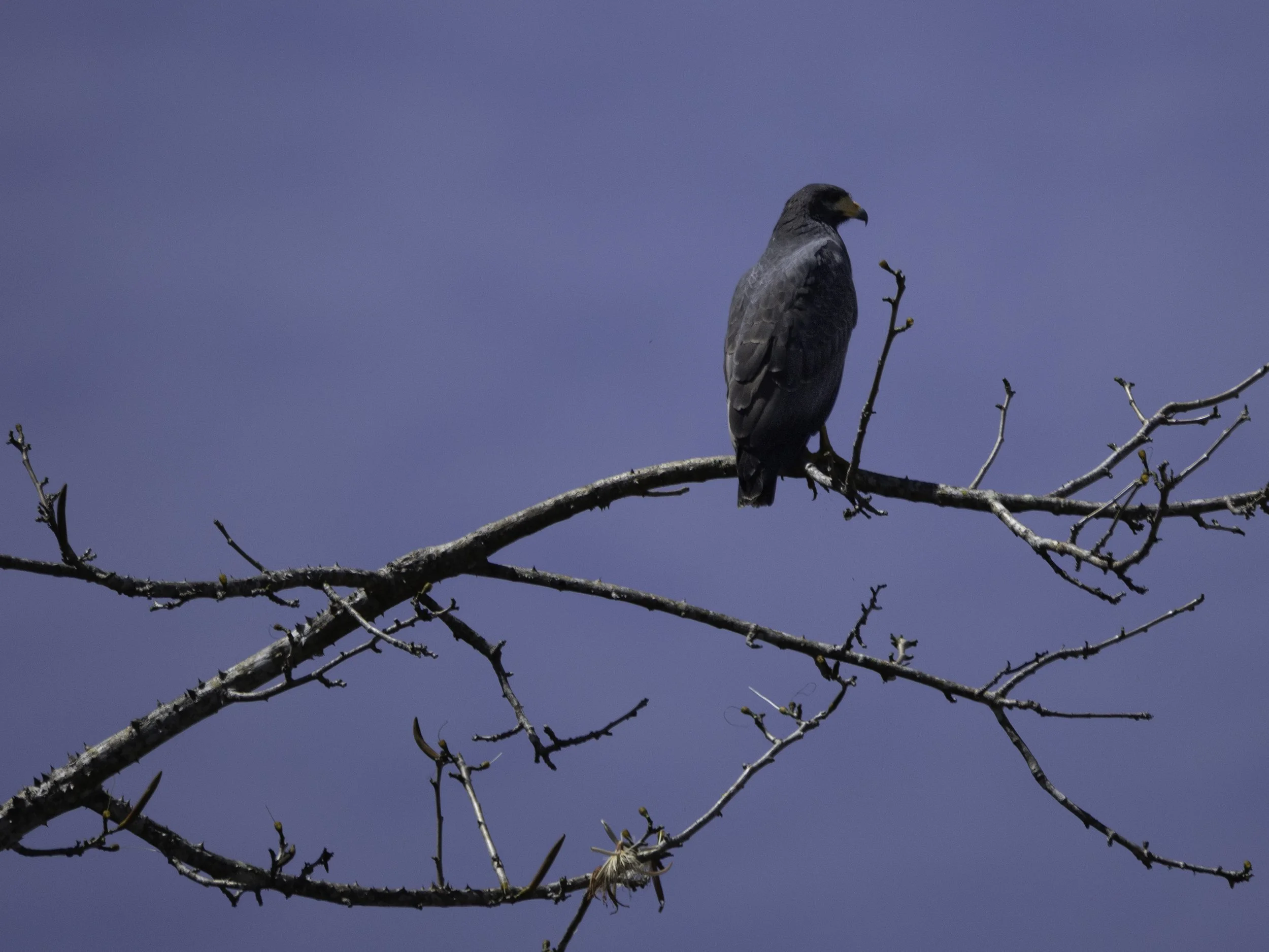
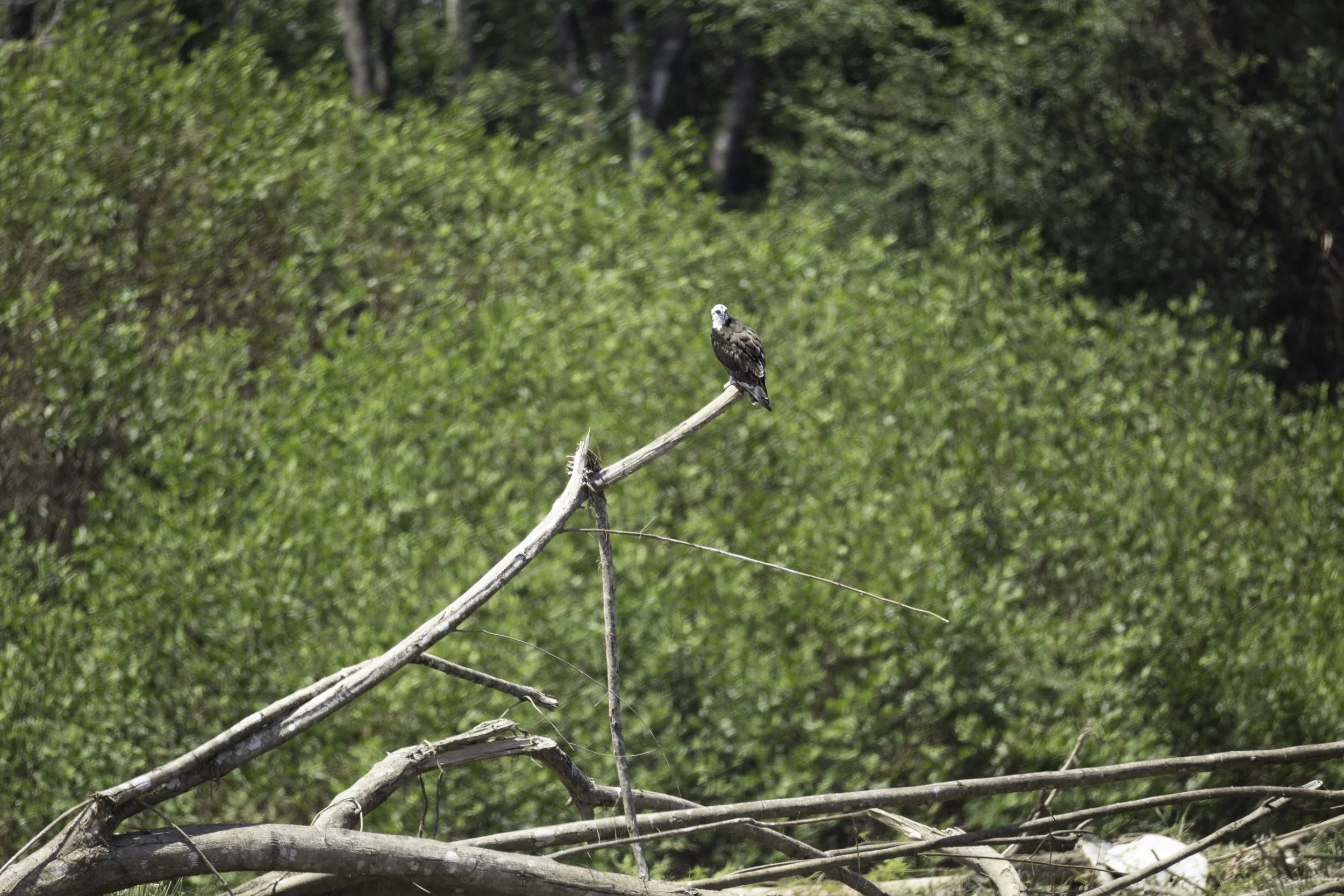
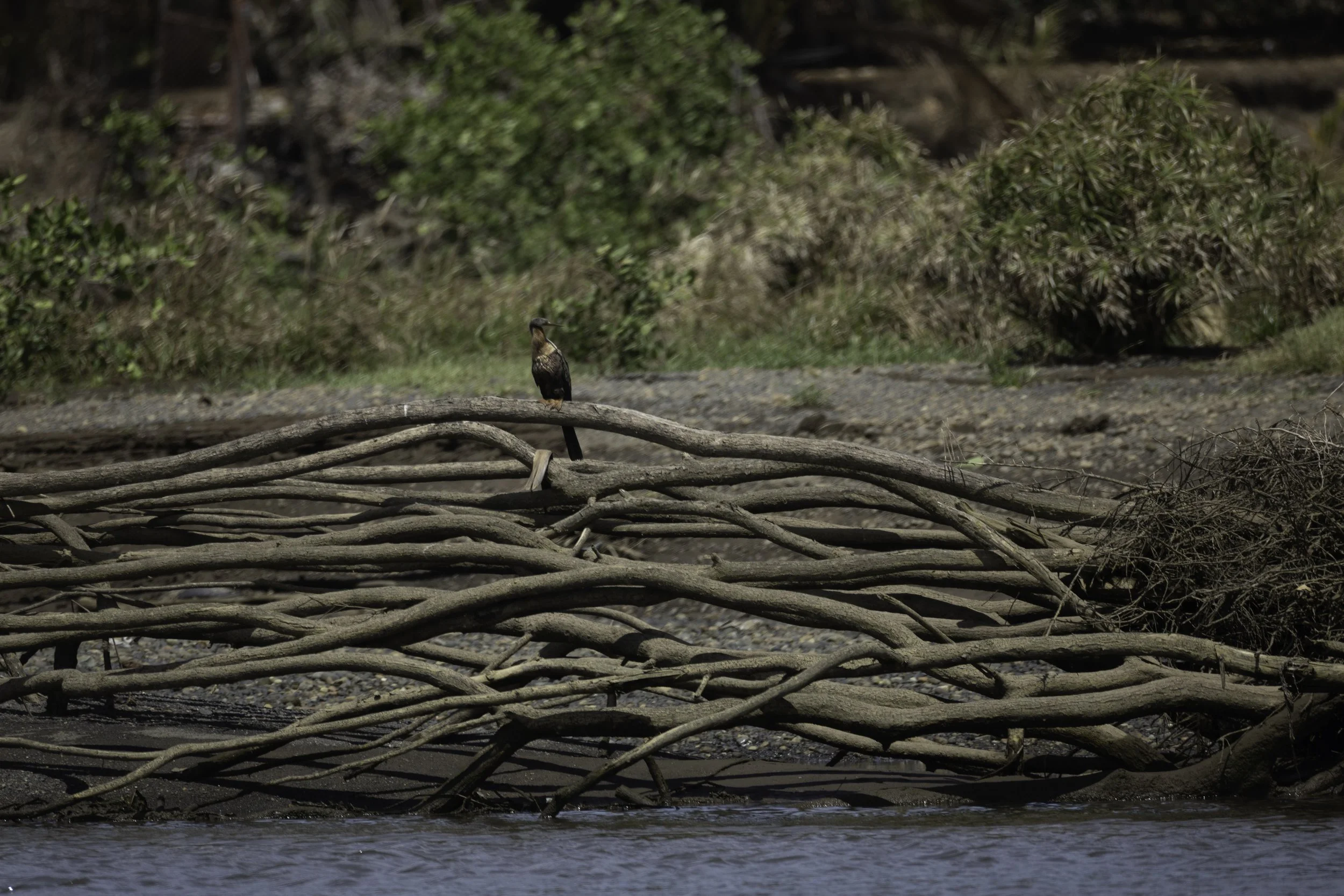
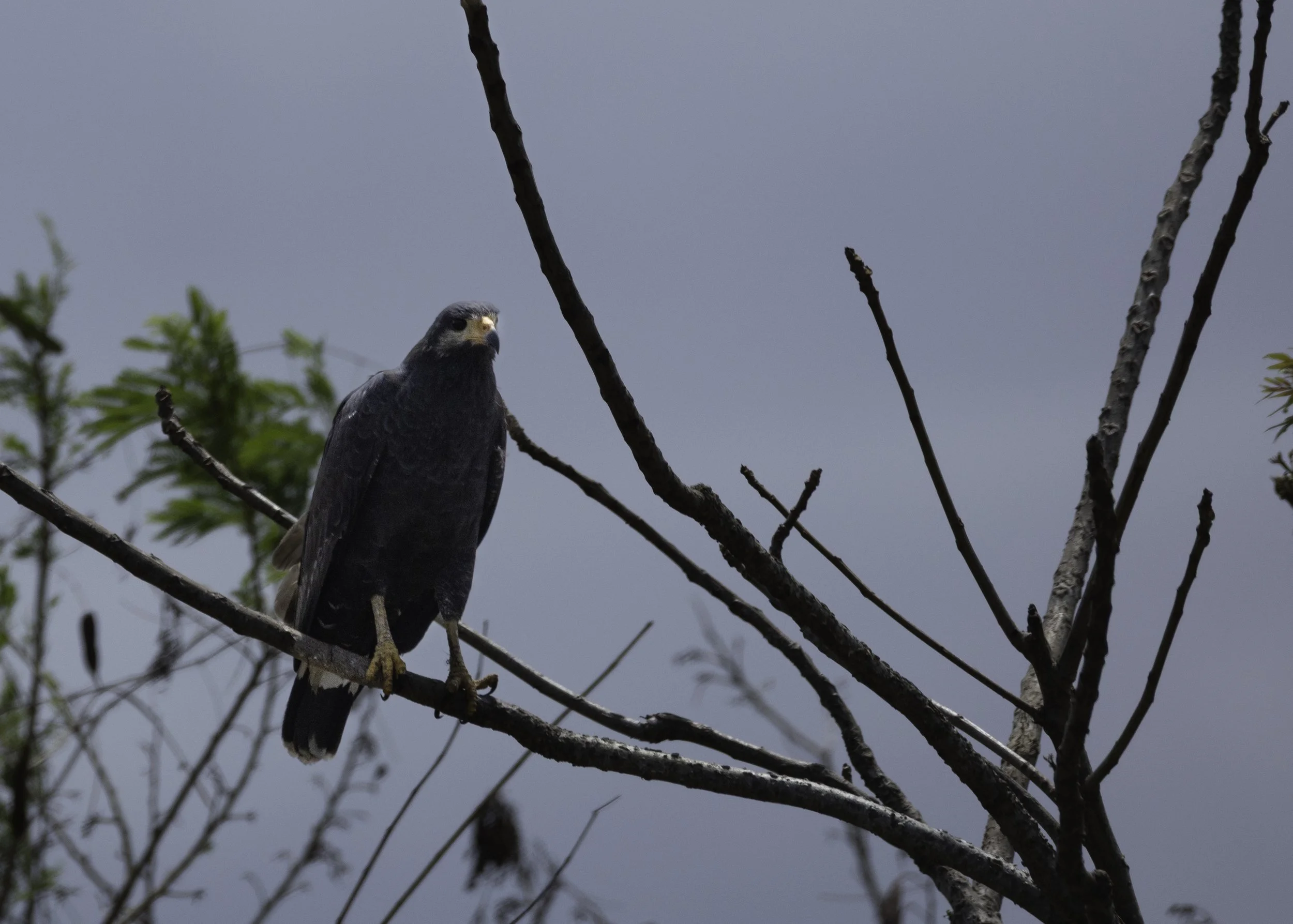
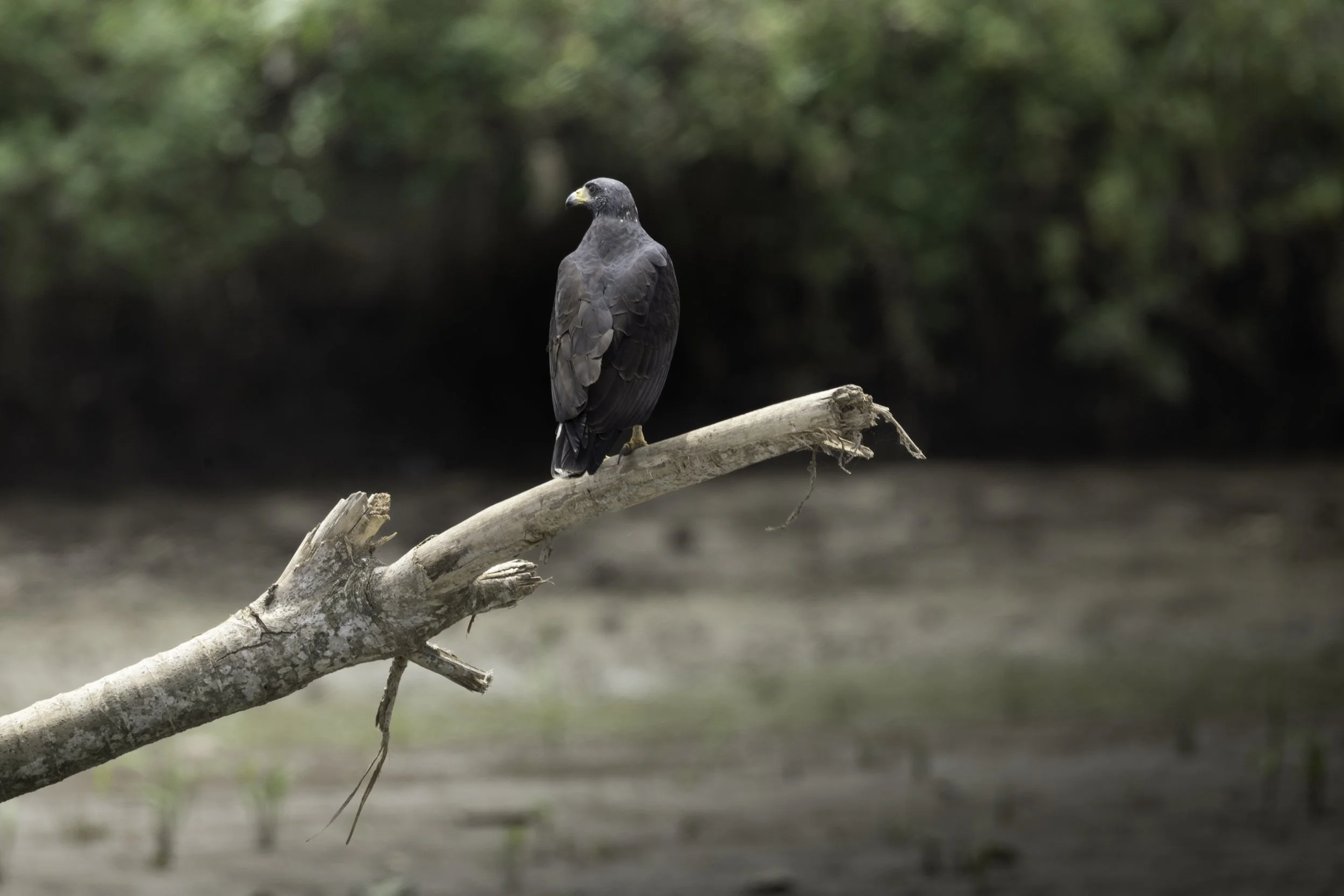
Raptors
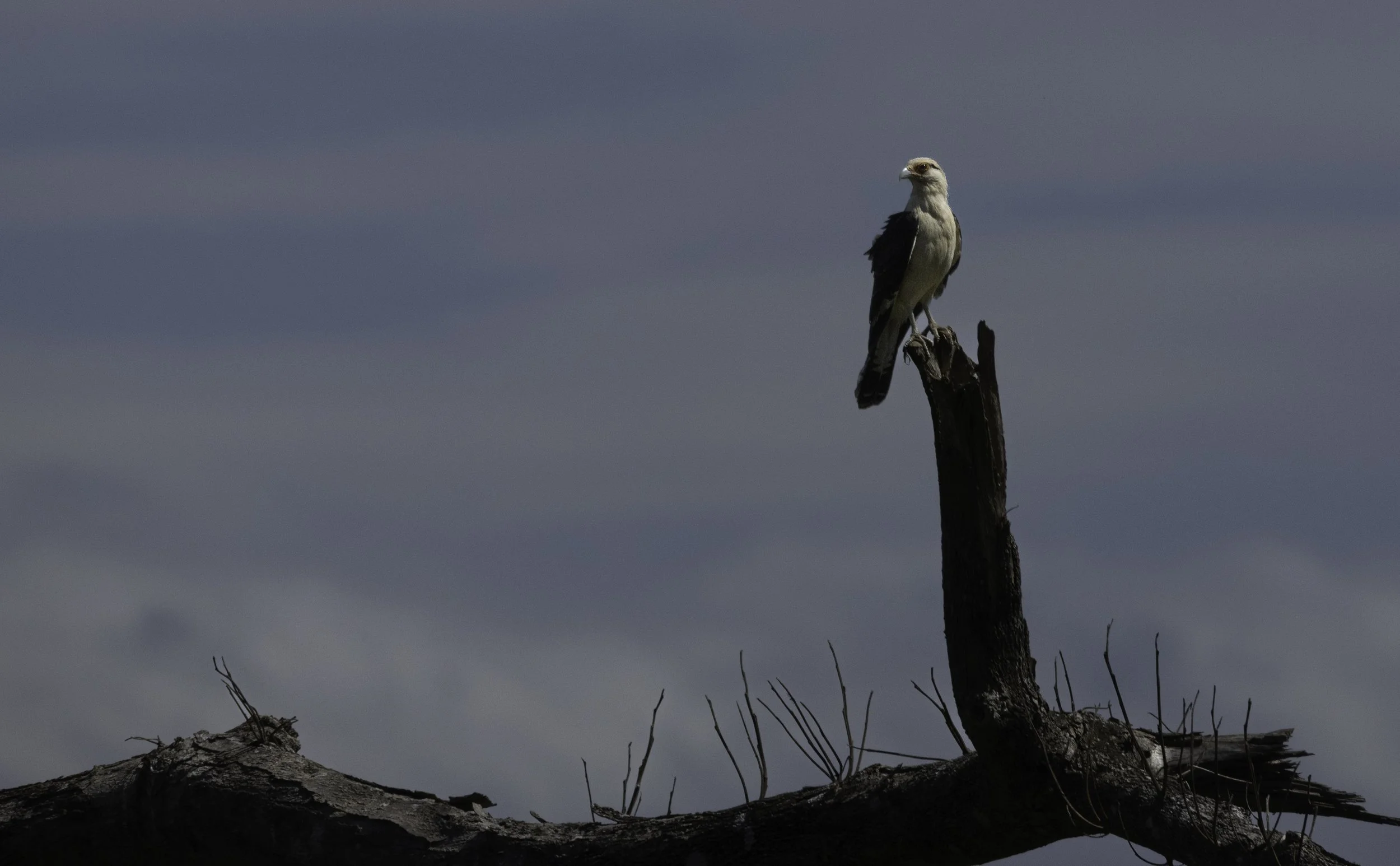
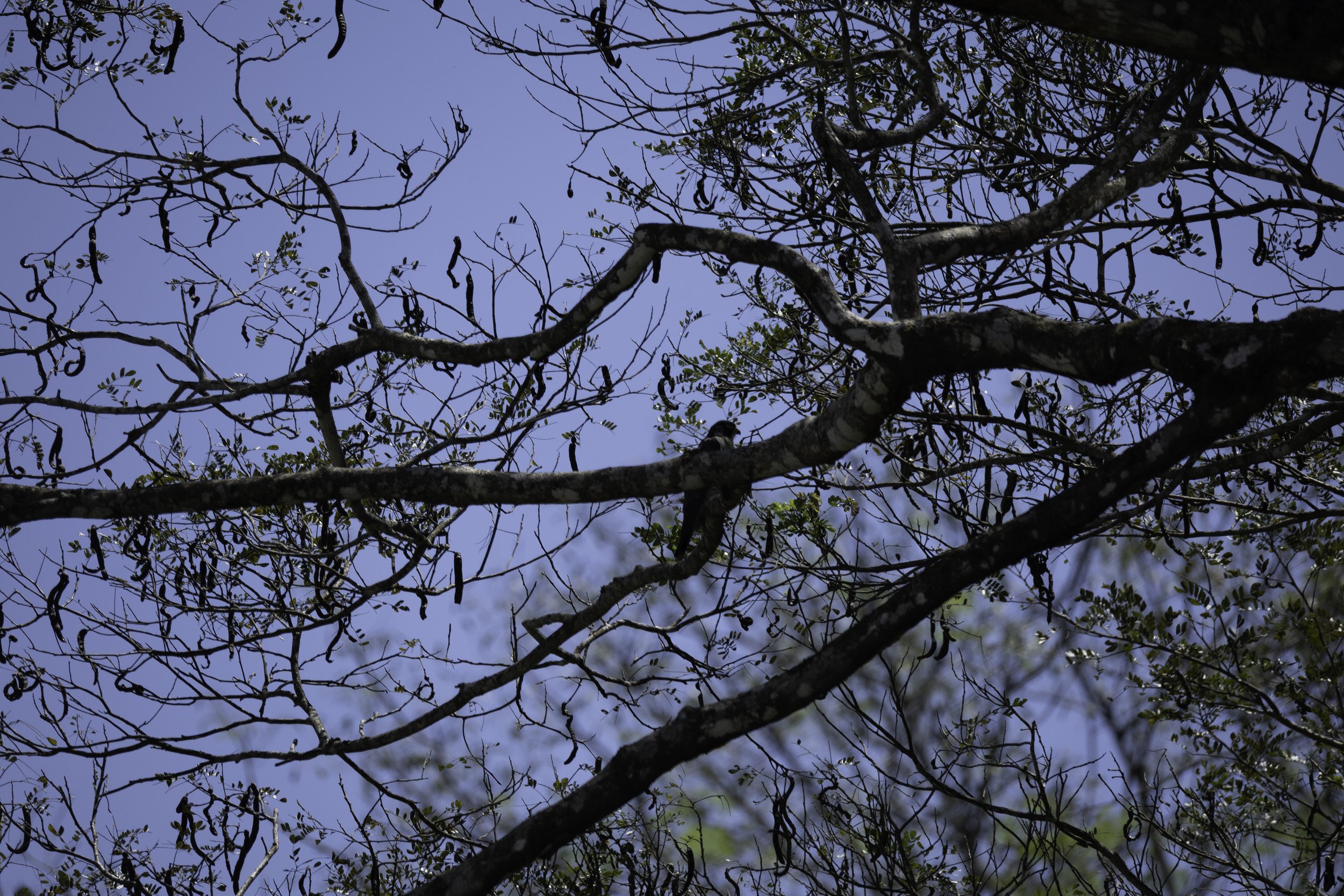
We saw so many things on this hour or two excursion that I had to put them into categories. There was even a checklist of animals to see, and we fund around 80% of the list.
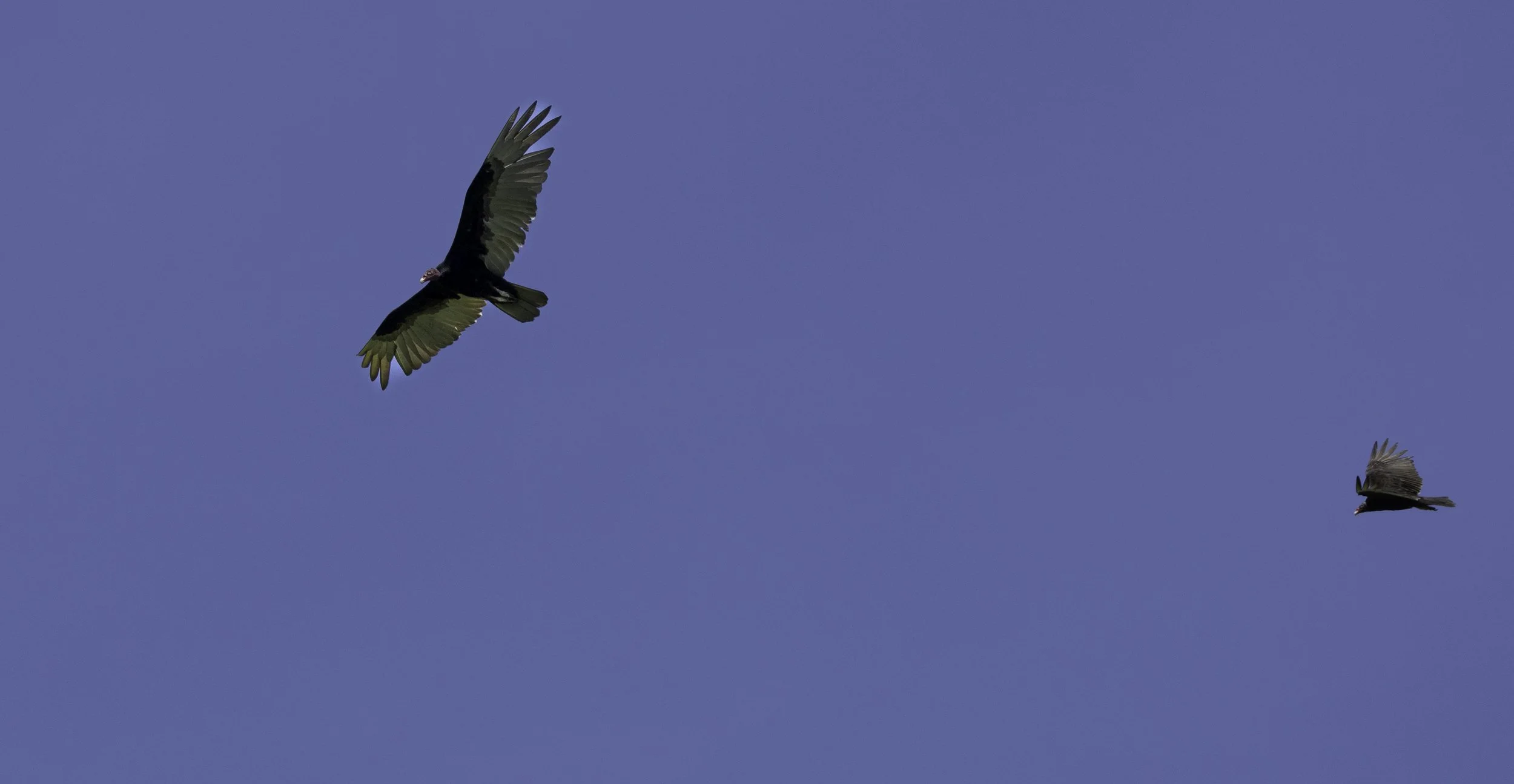
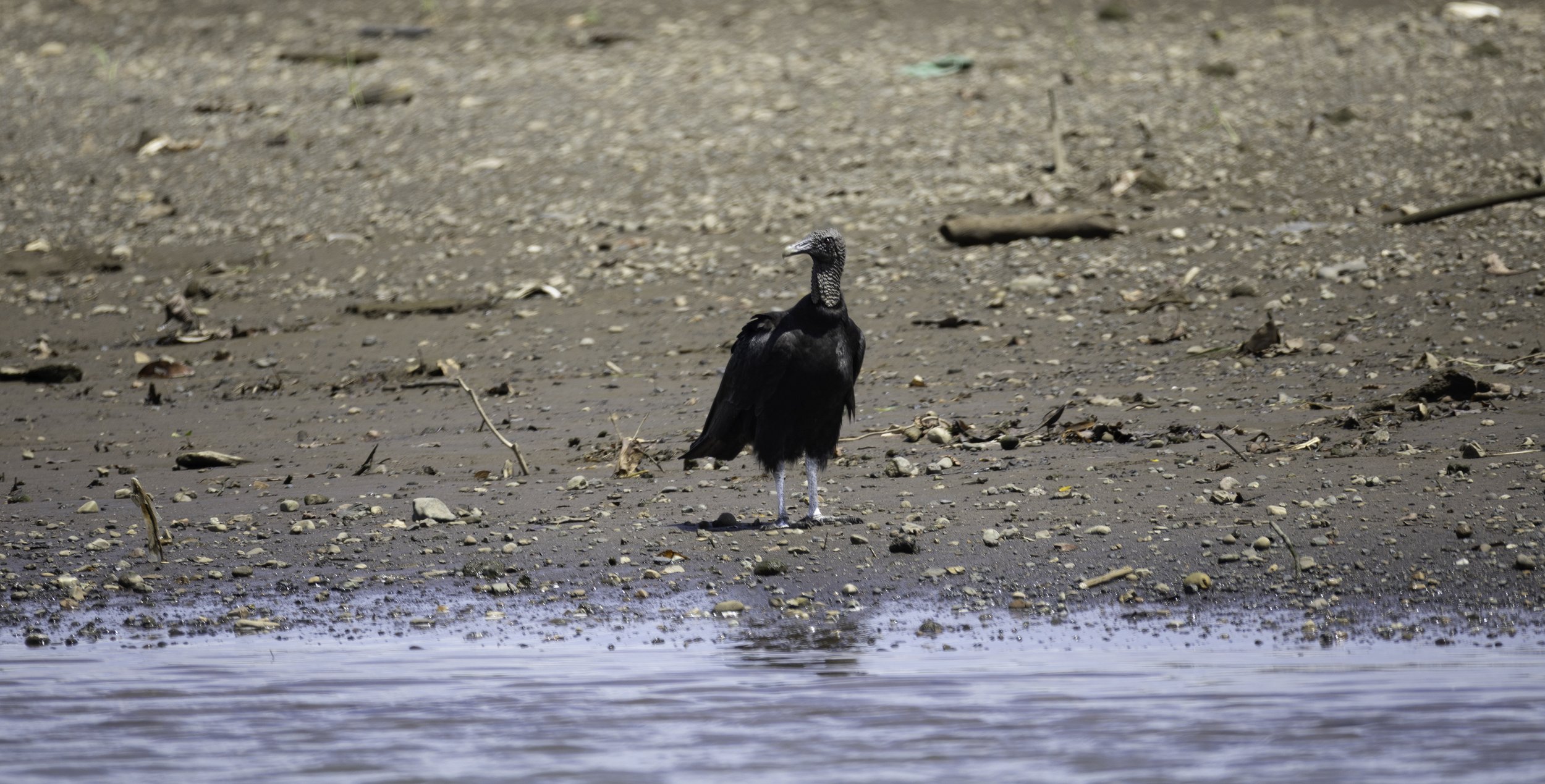
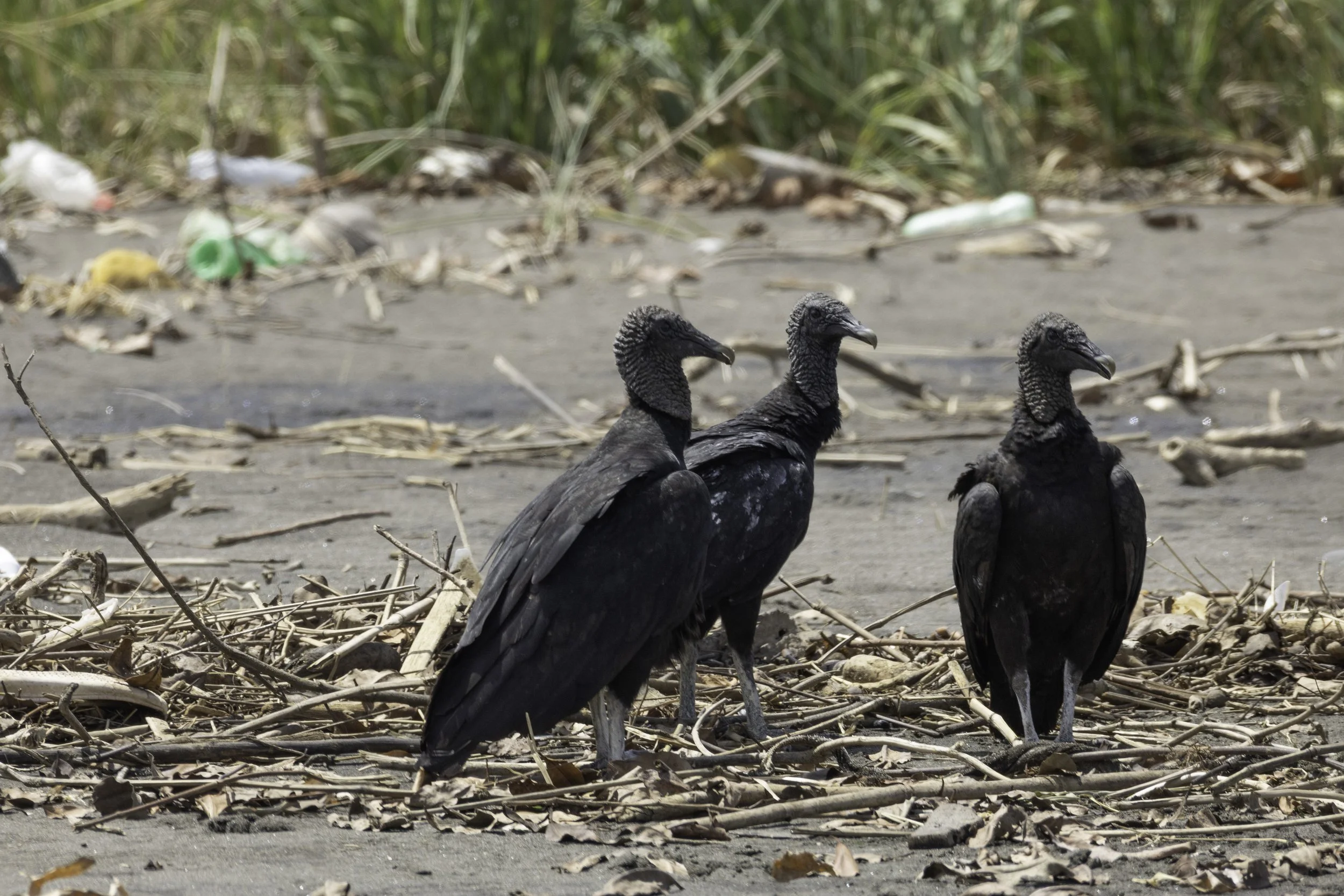
This first group, I labeled raptors. Crocodiles, in the water, and plenty of flying raptors. In comparison, crocodiles rely on patient stealth, armored bodies, and brute force, dragging their prey under the water; flying raptors on the other hand, depend on keen eyesight, speed, and aerial maneuverability, striking from above. Each type adapted to exploit the resources and vulnerabilities of their realm.
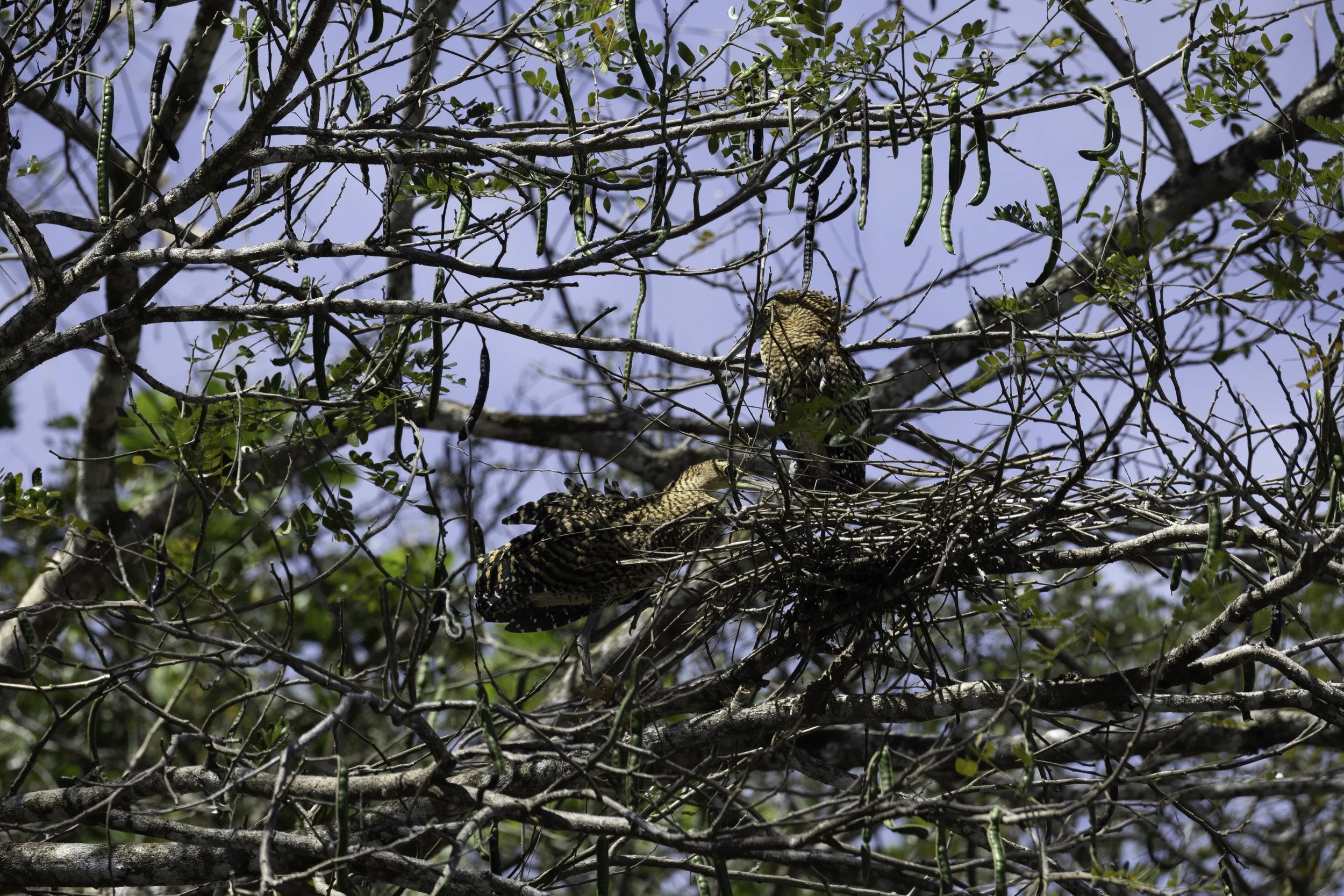
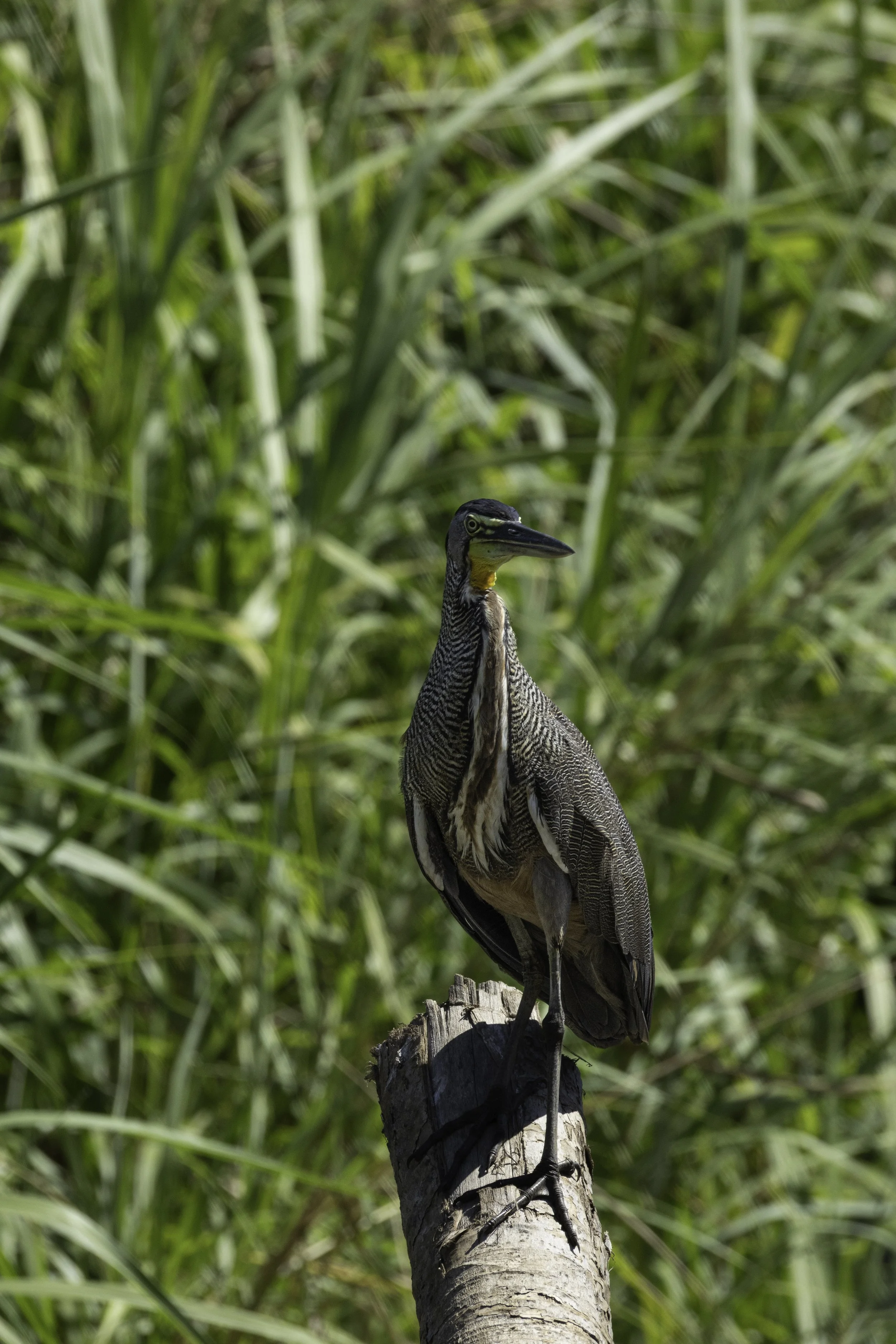
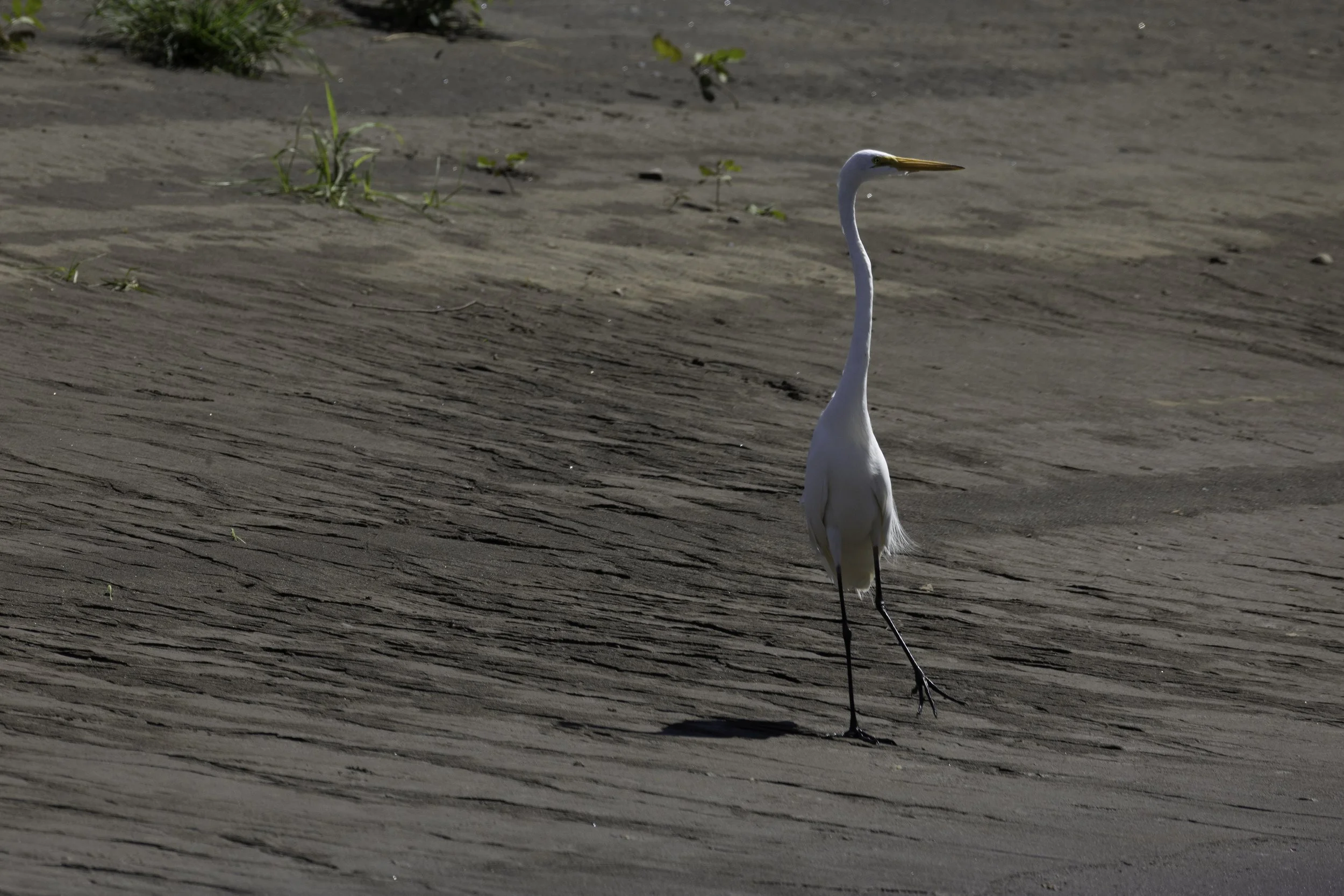
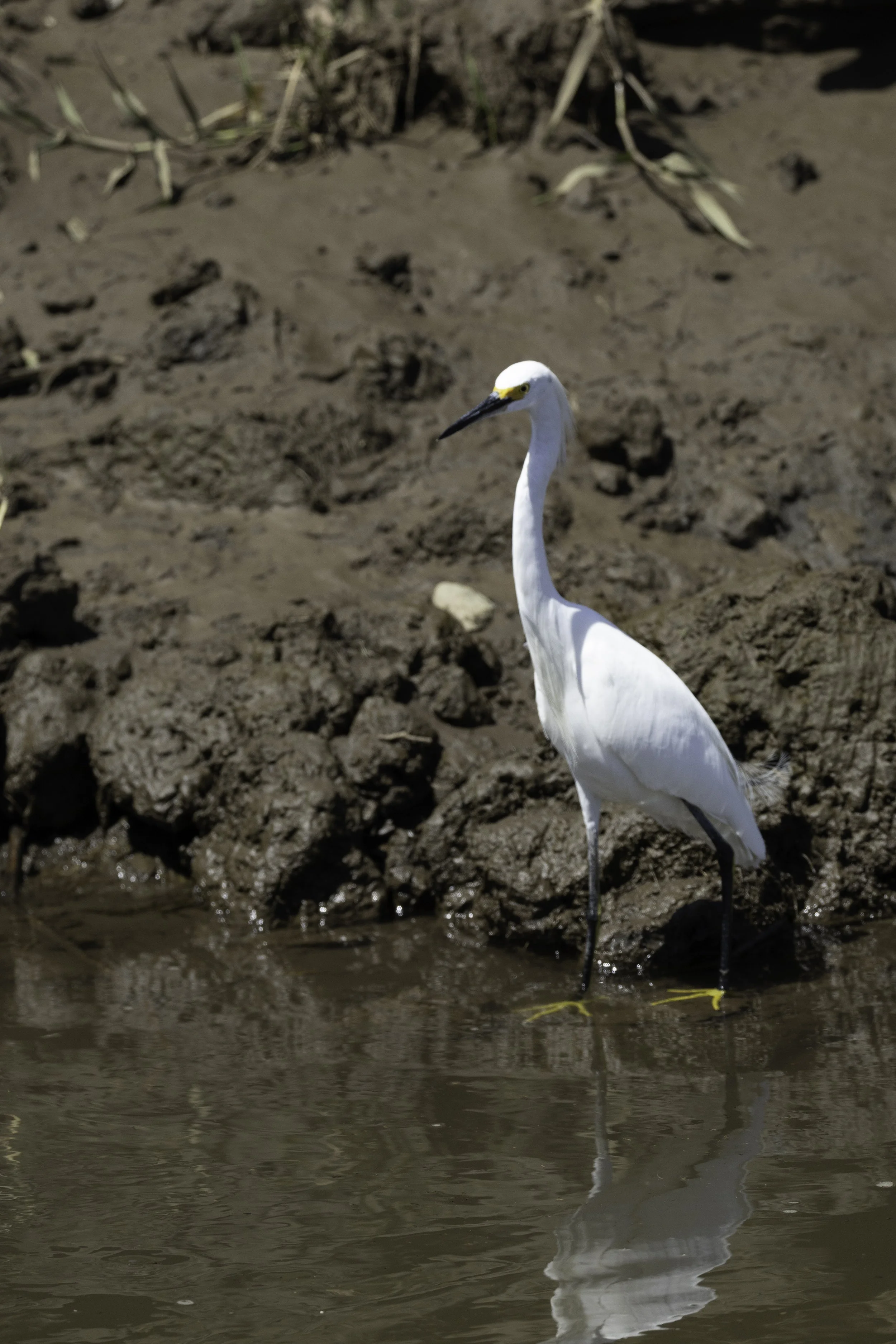
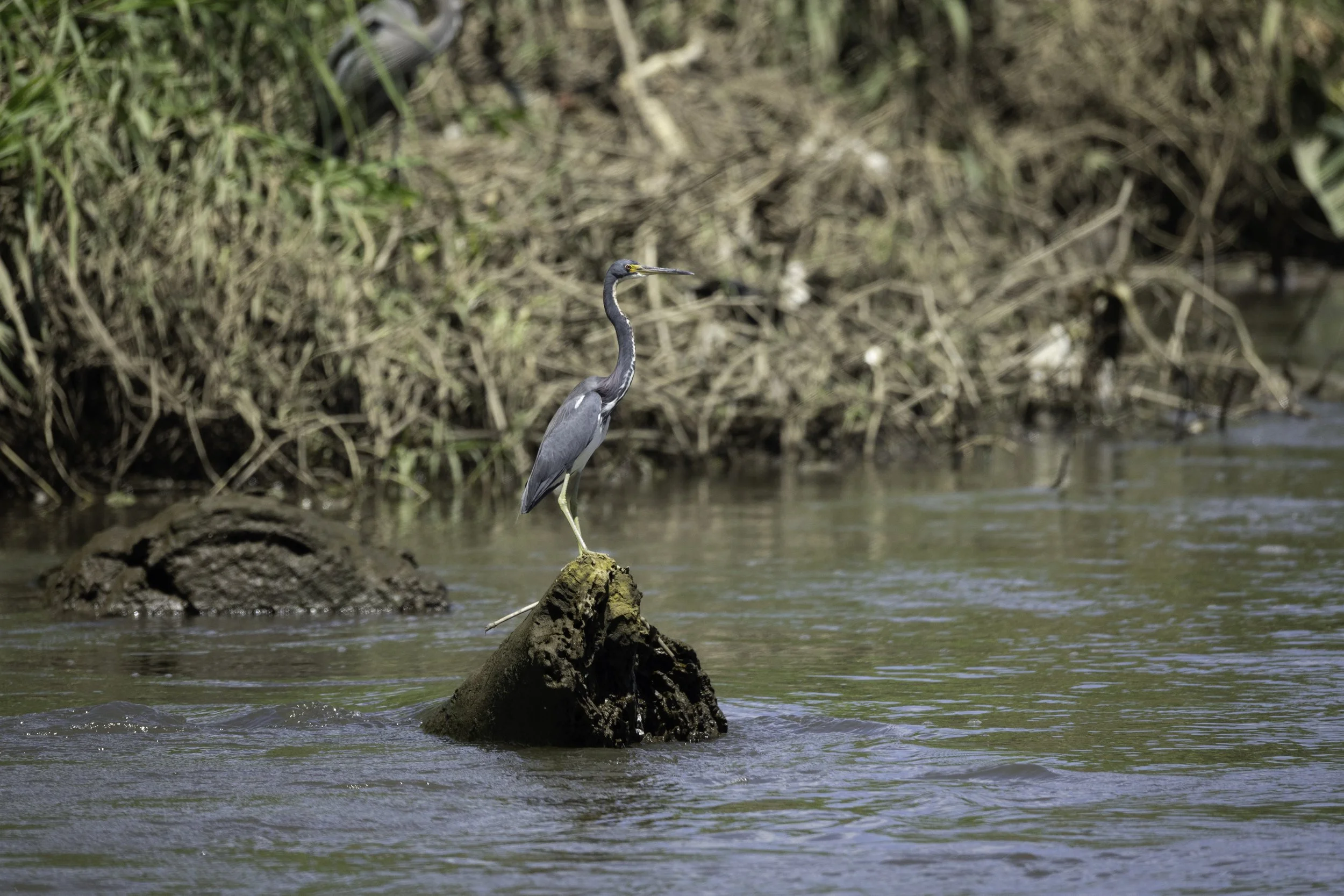
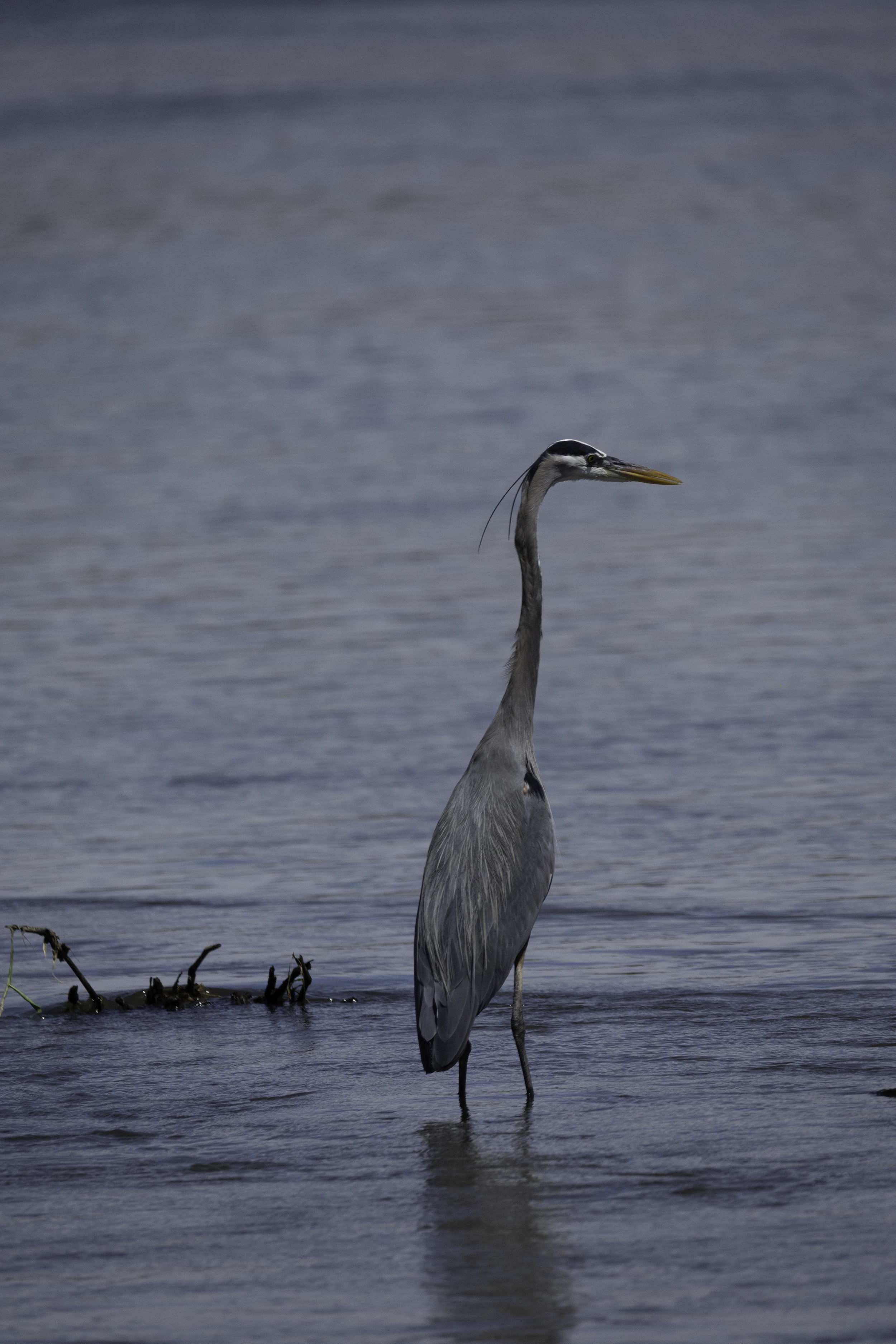
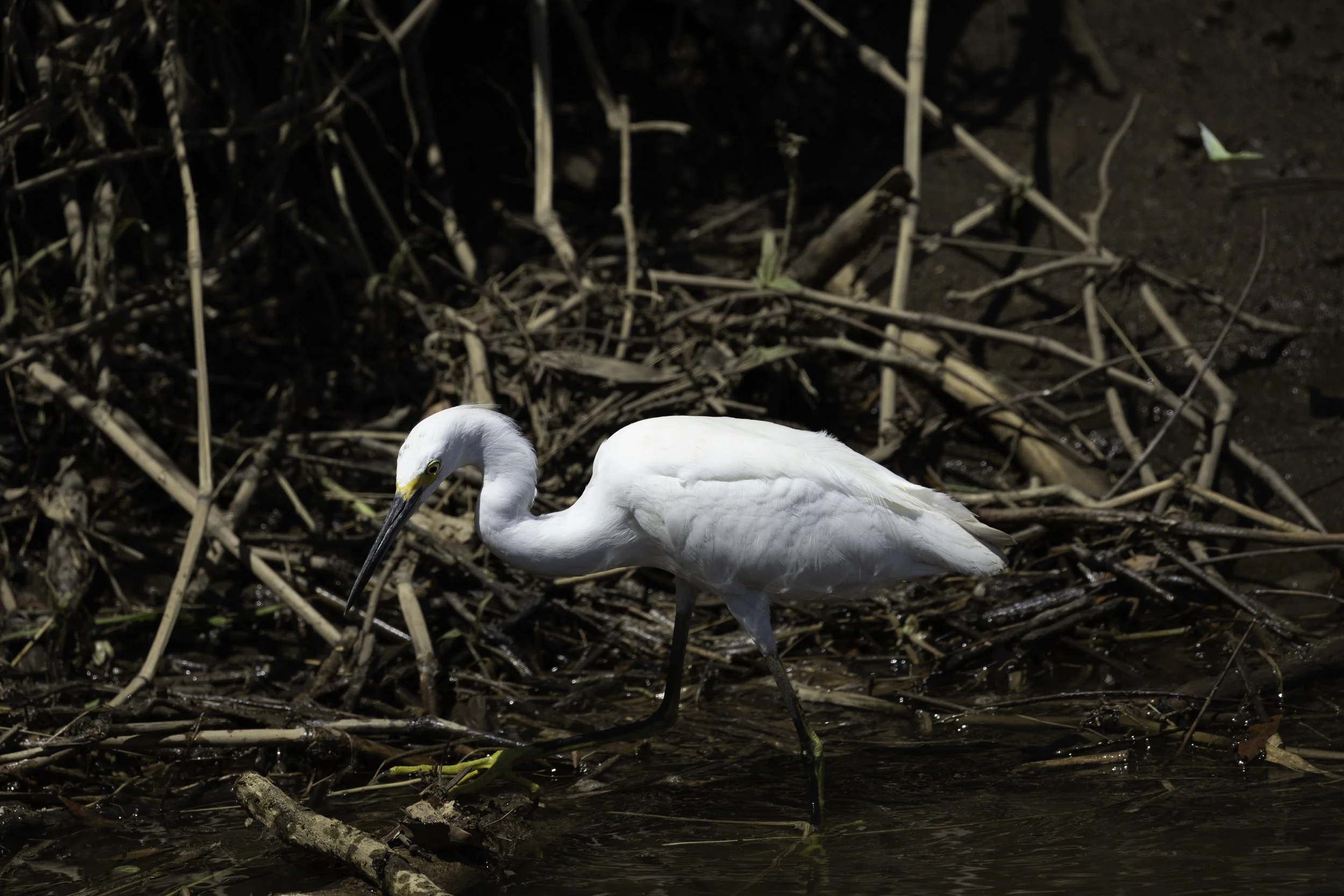
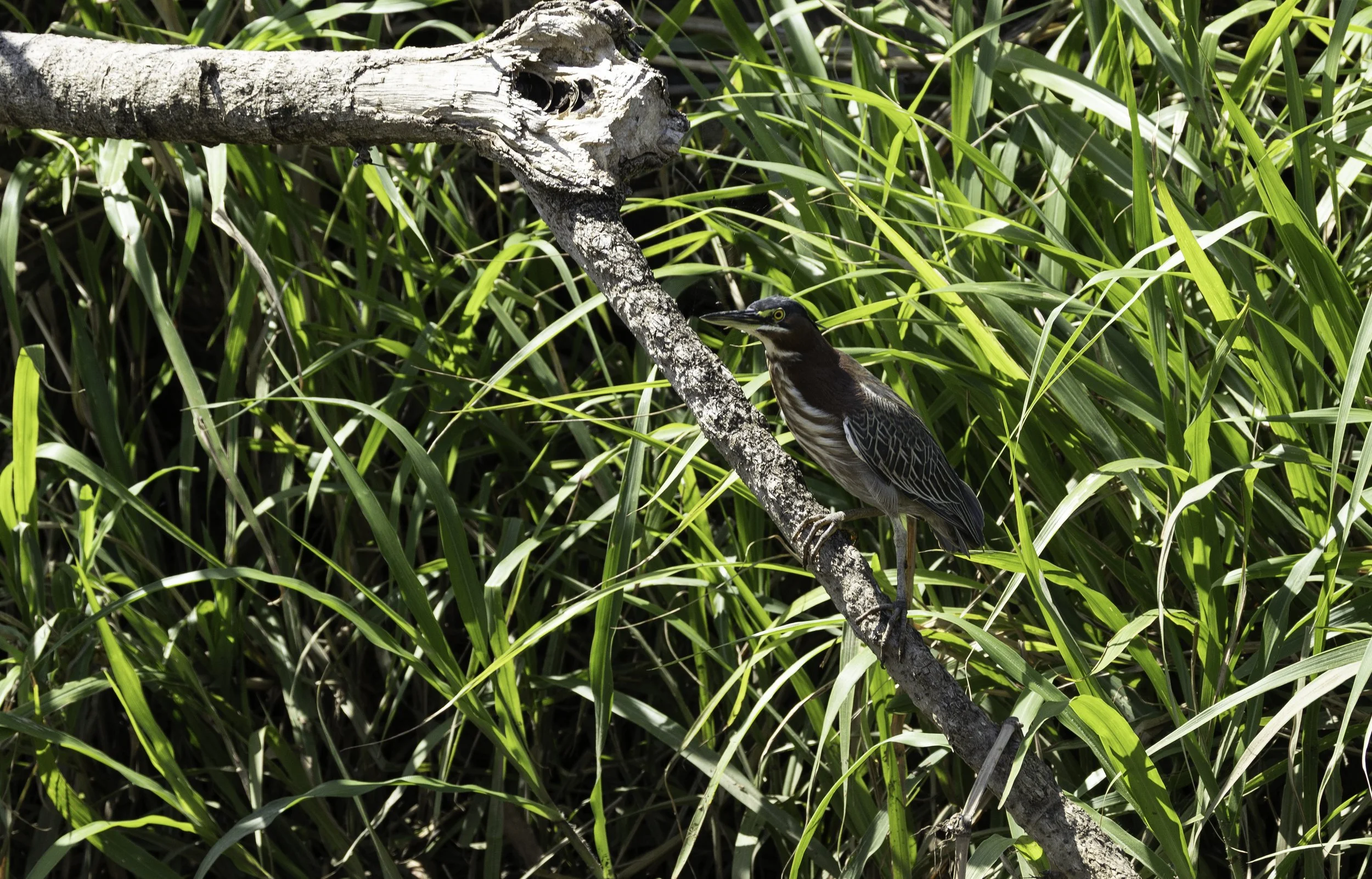
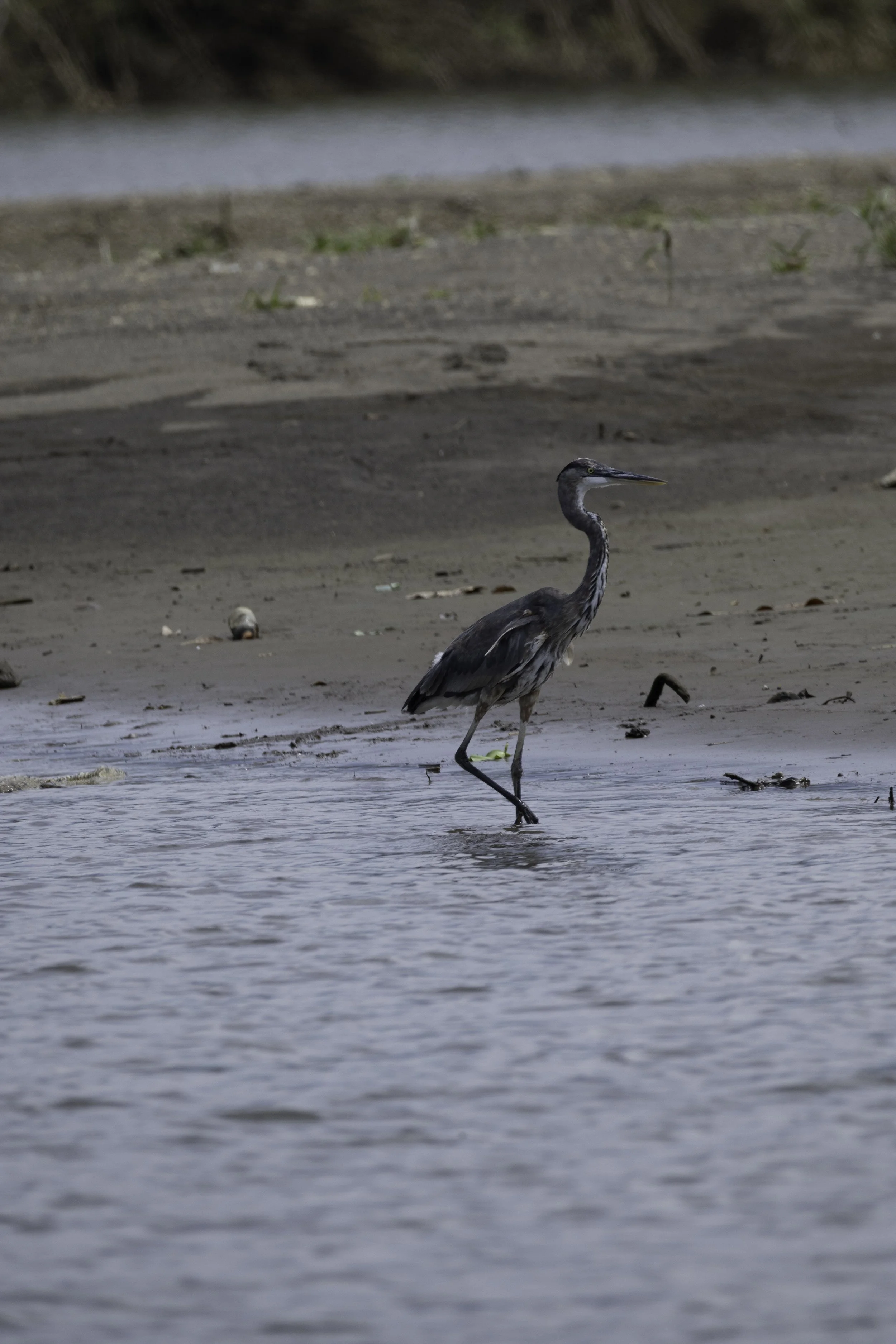
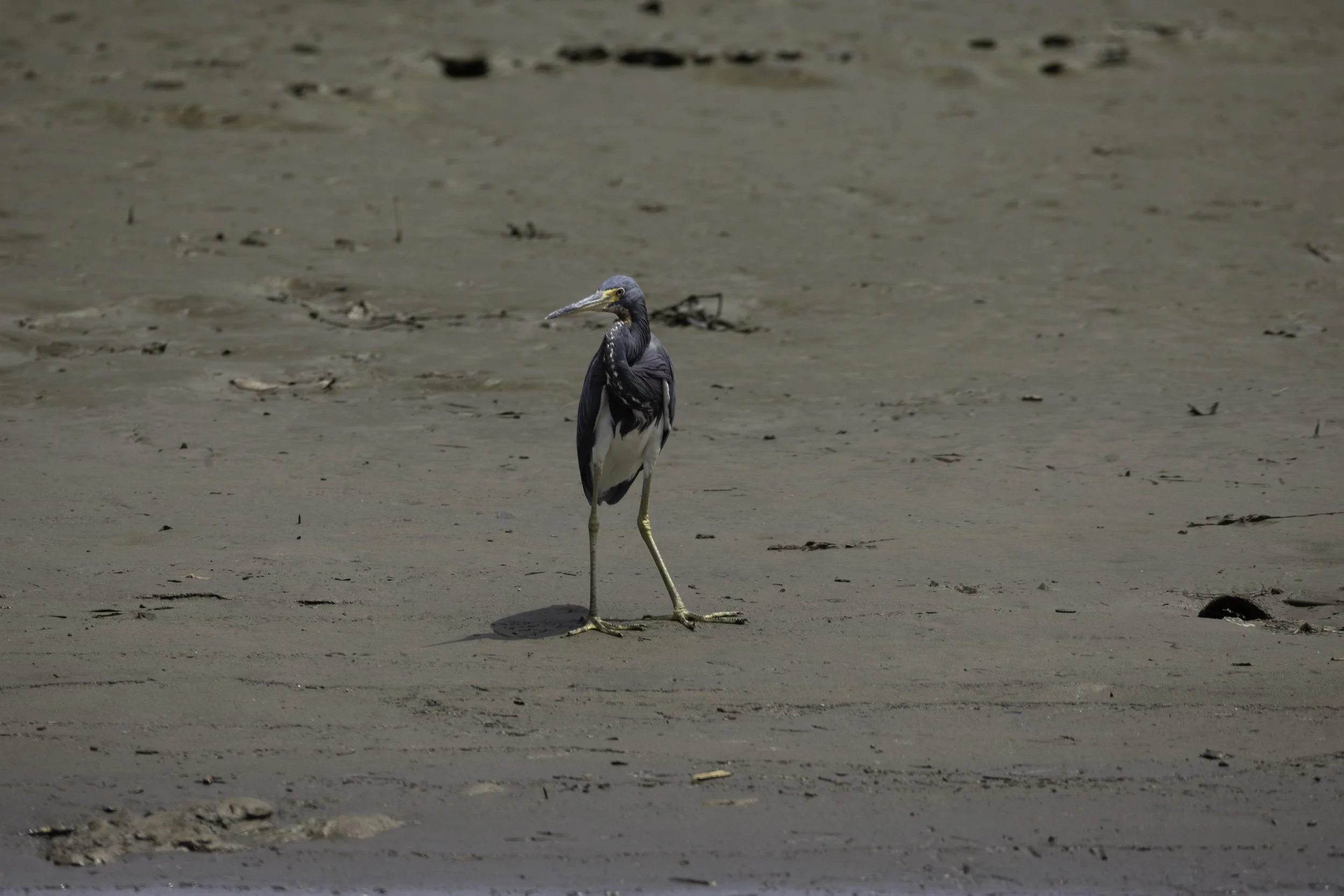
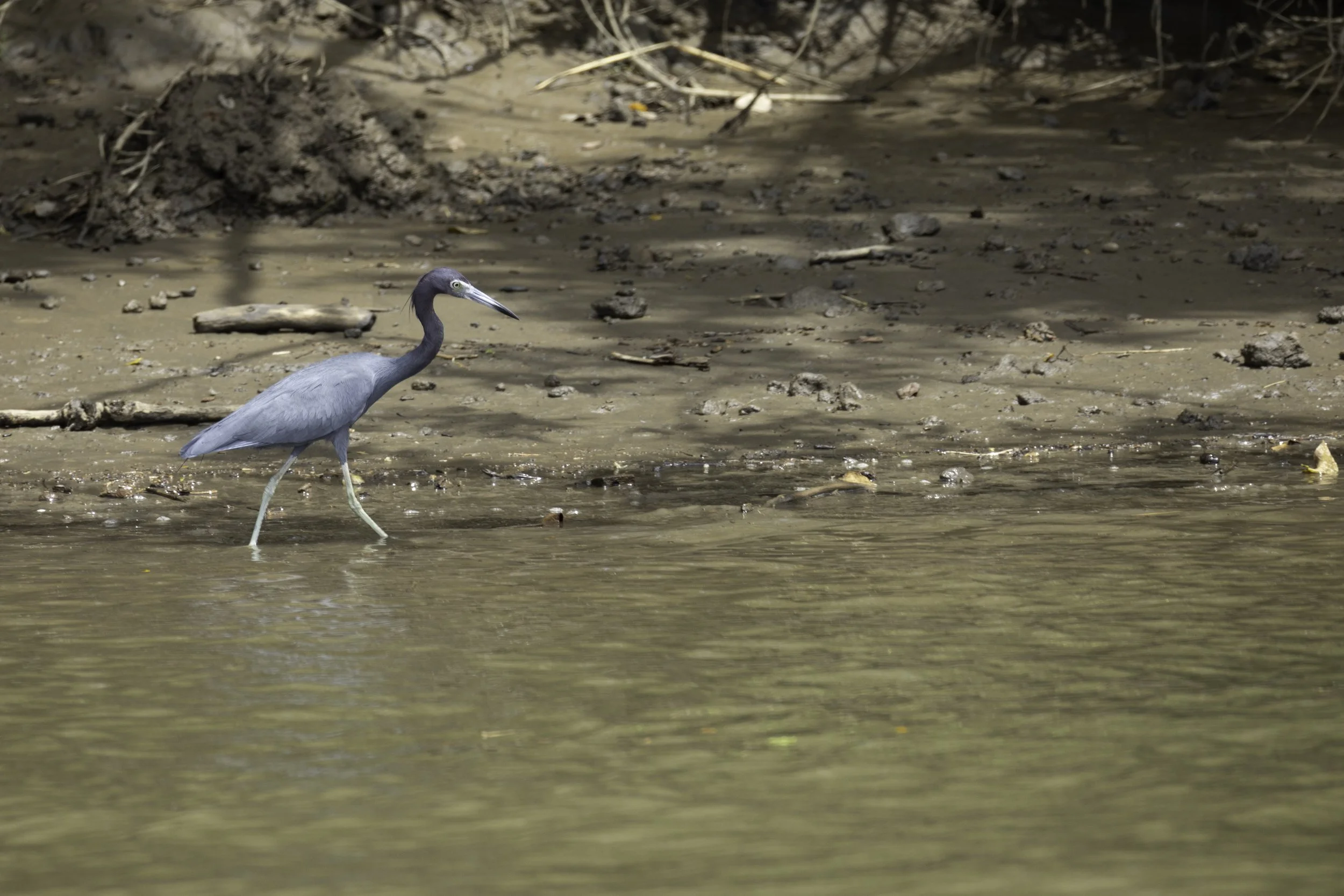
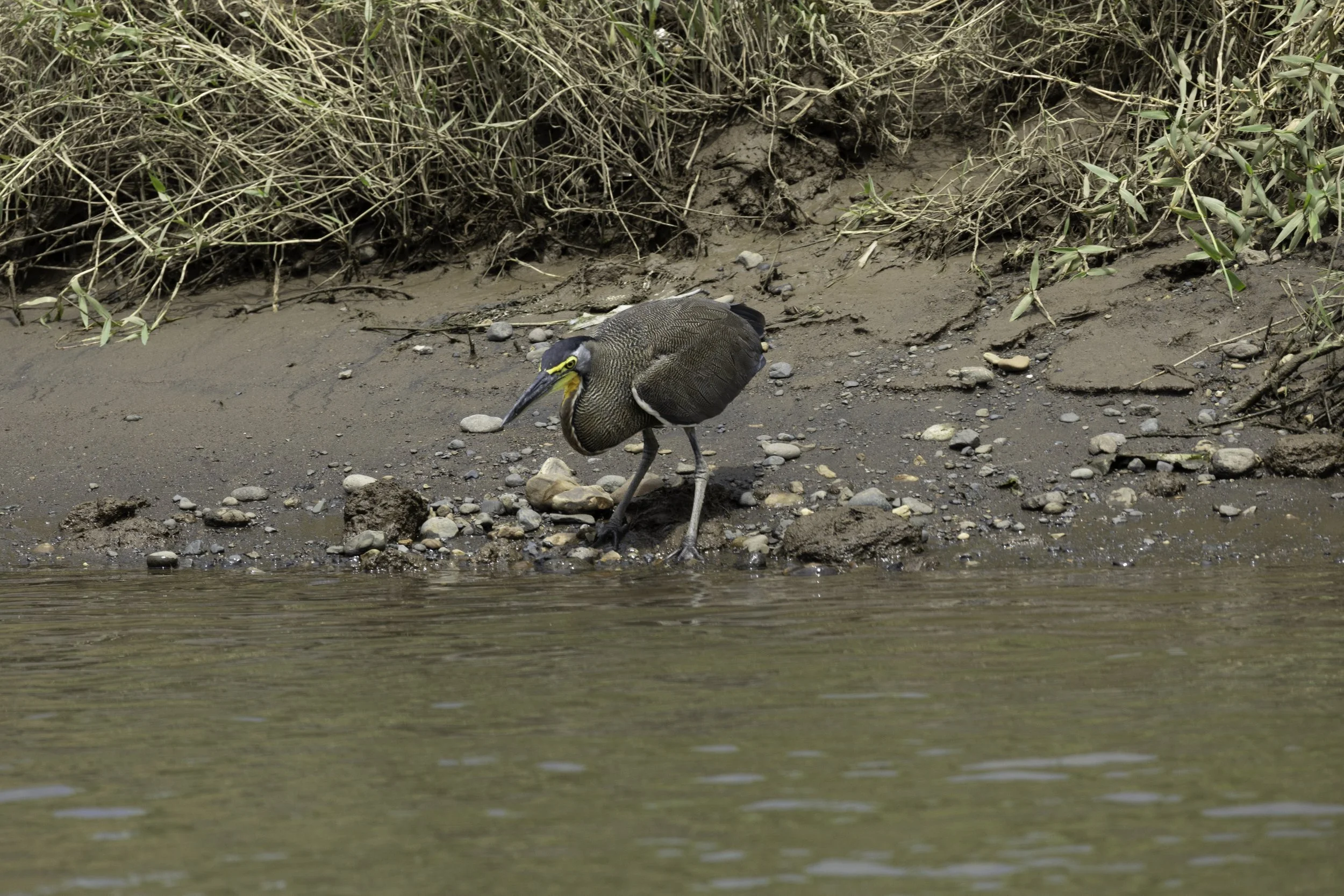
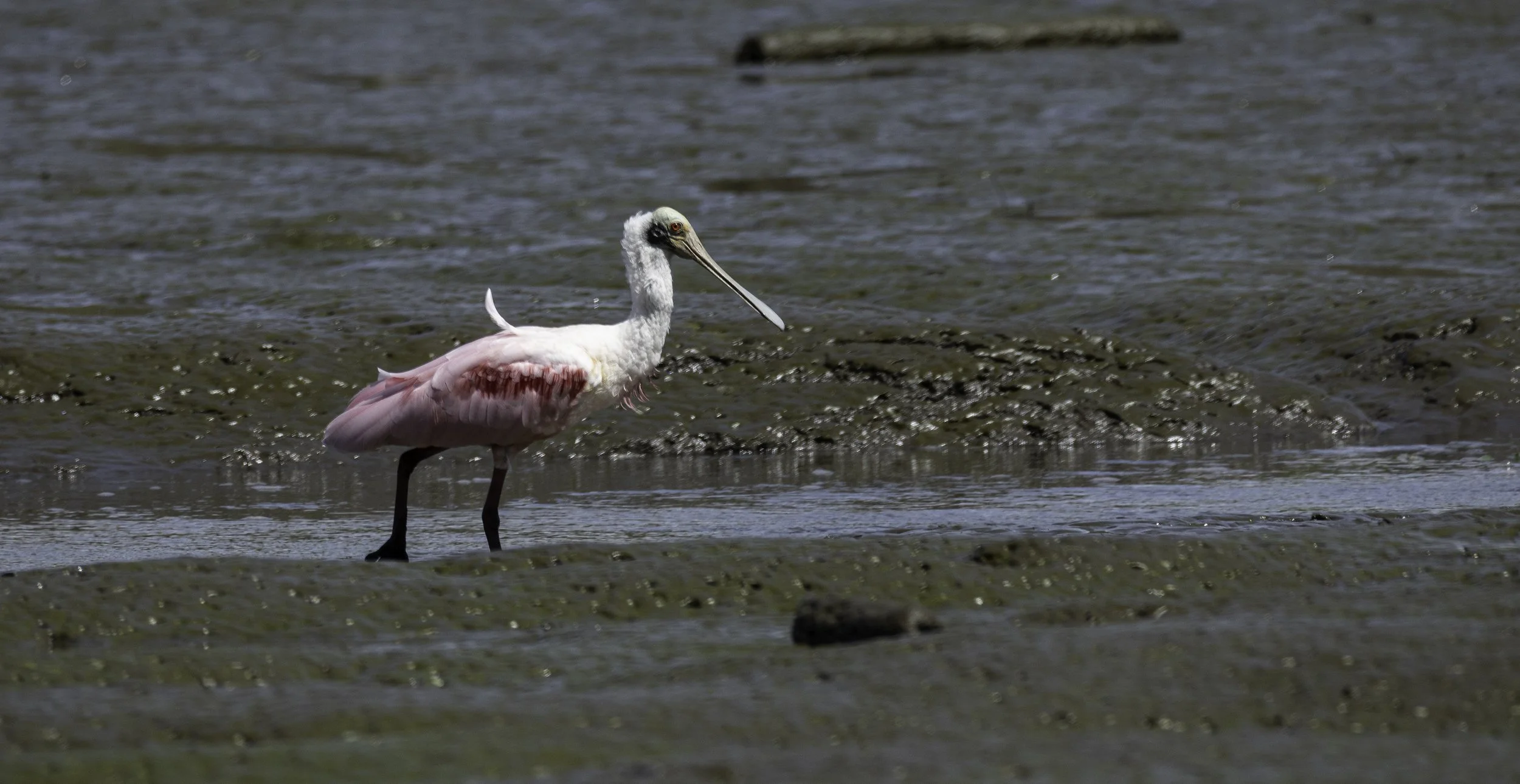
Birds “Ardeidae” (Long legs) - not flying
Heron-type birds (including herons, egrets, and bitterns) belong to the biological family “Ardeidae”. They are long-legged, long-necked, wading birds within the order Pelecaniformes. While often referred to together as waders, they are scientifically classified under the Ardeidae family.
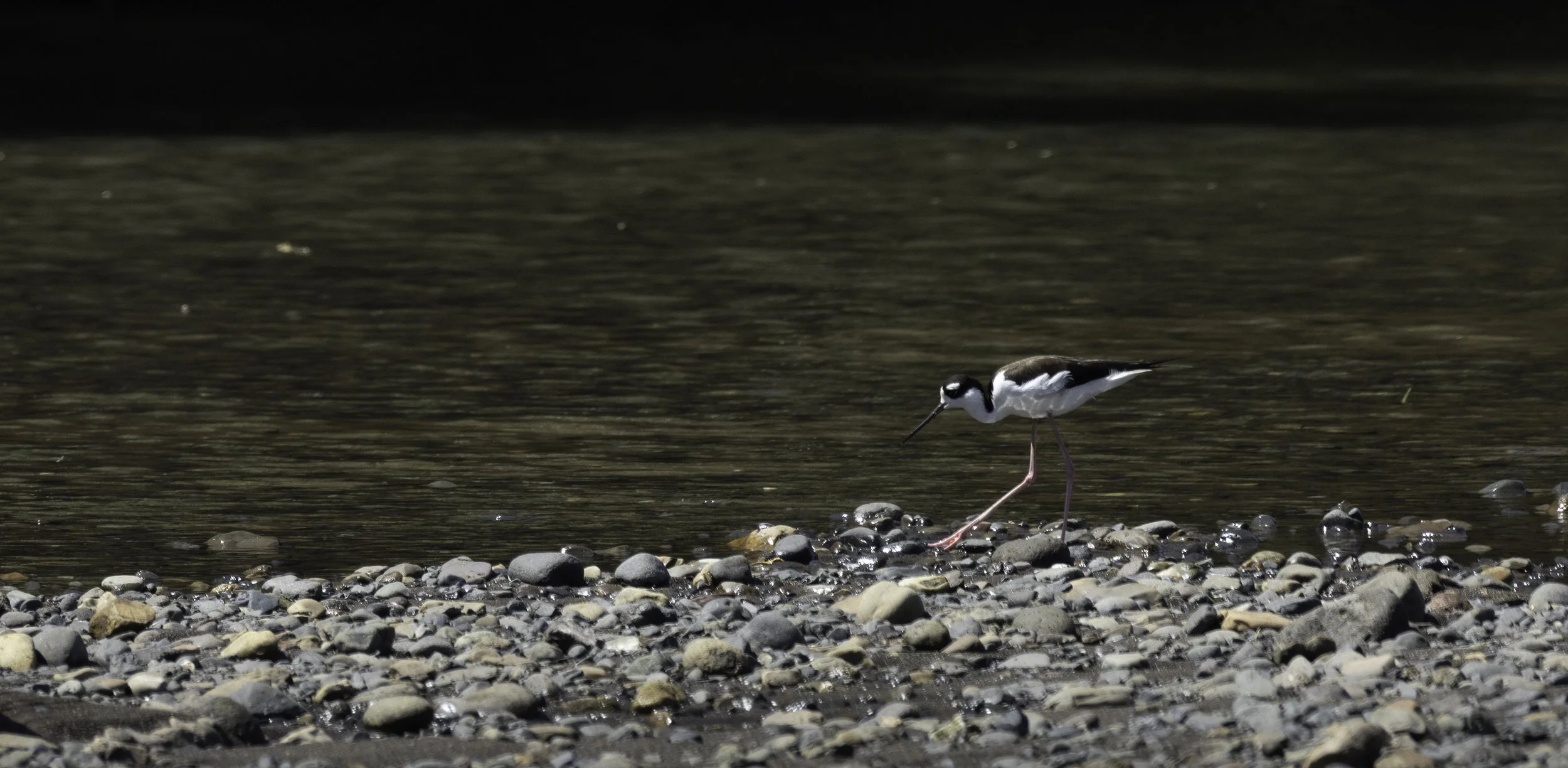
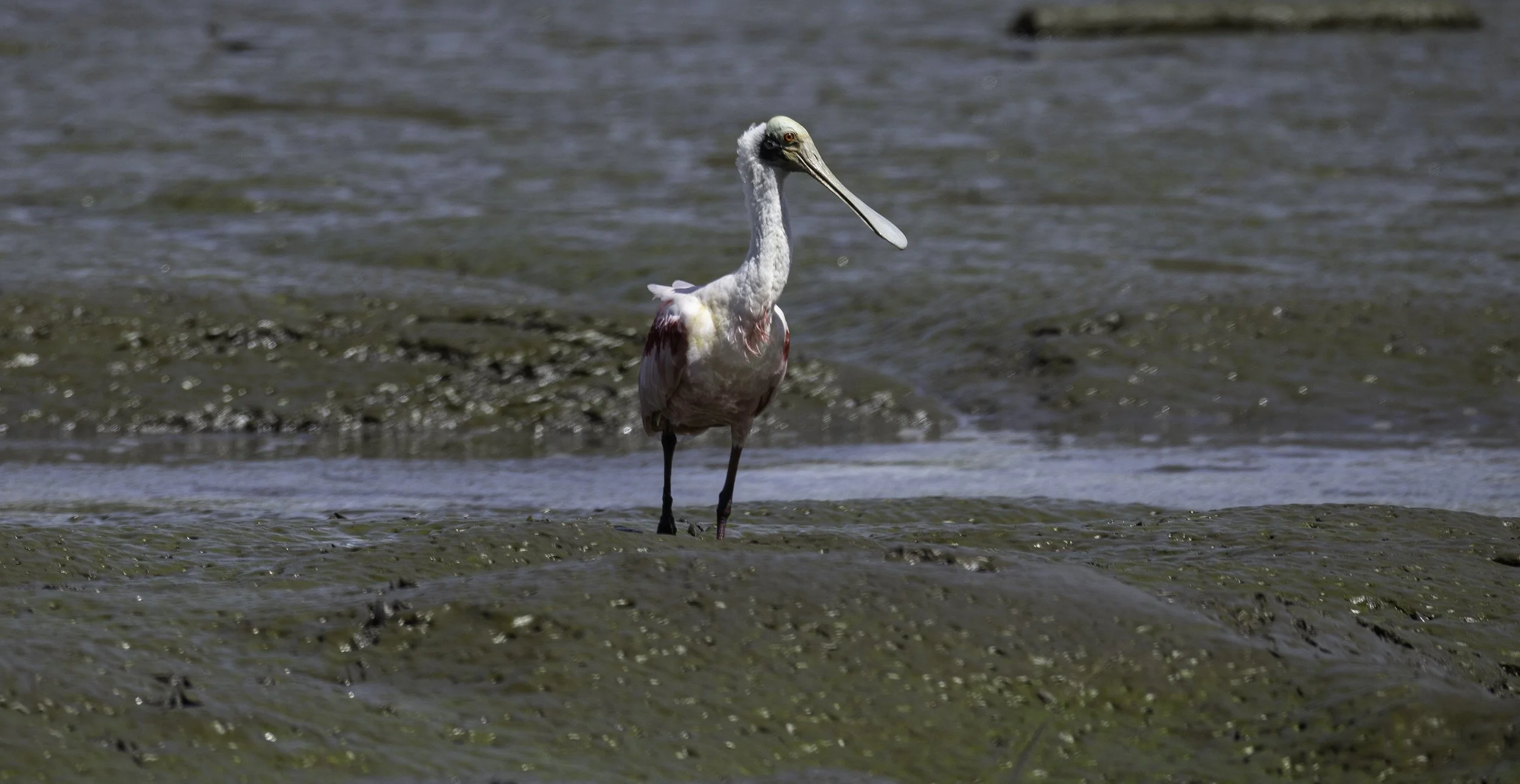
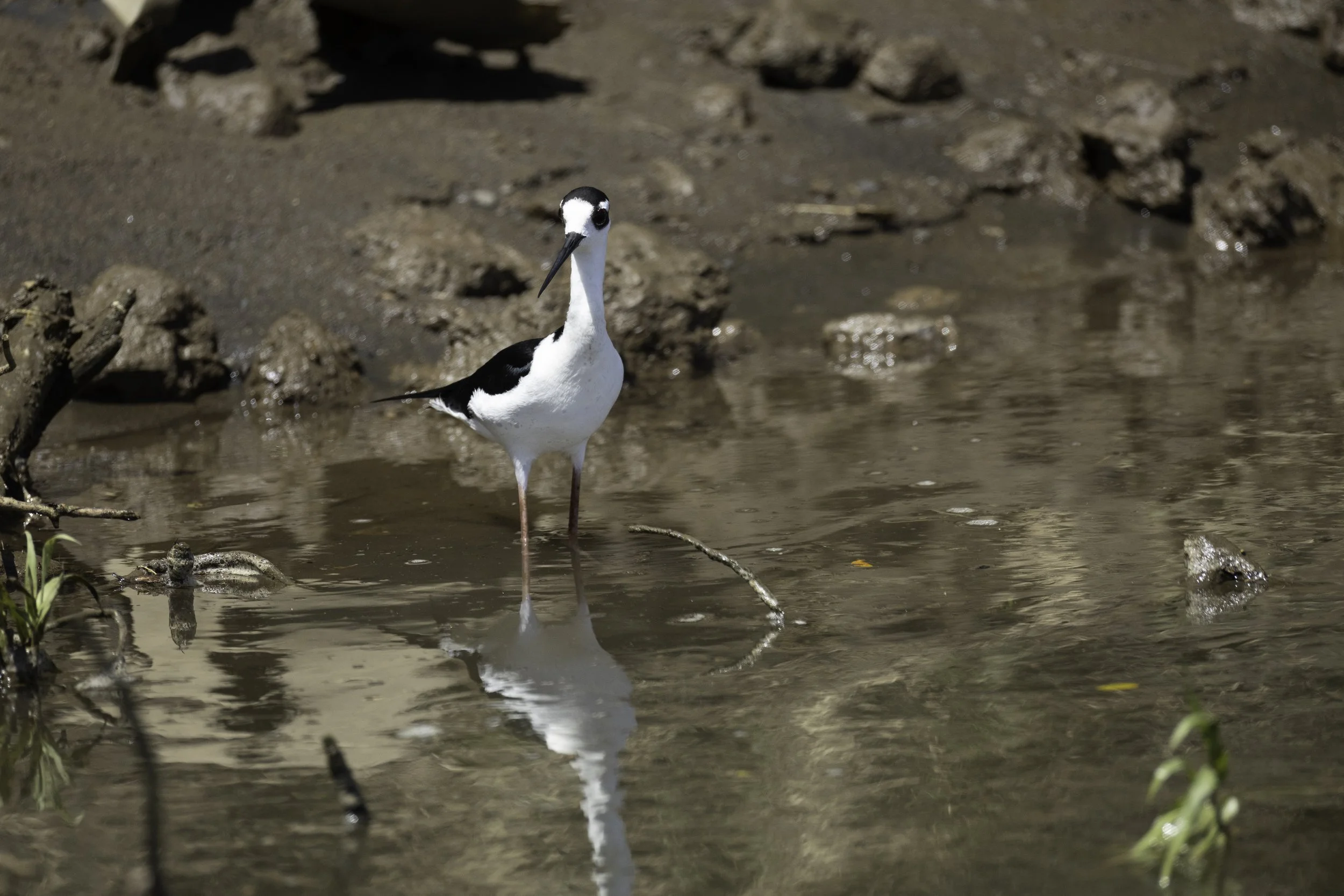
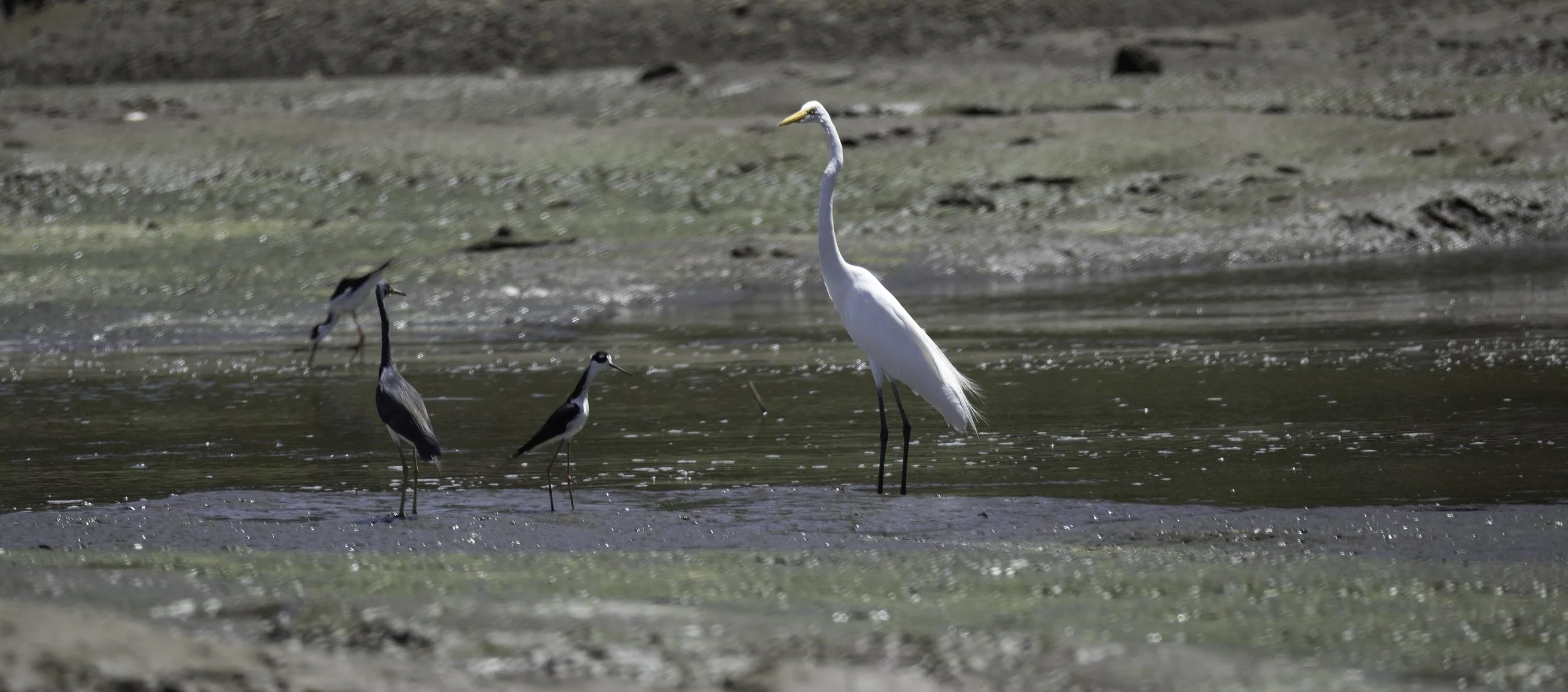
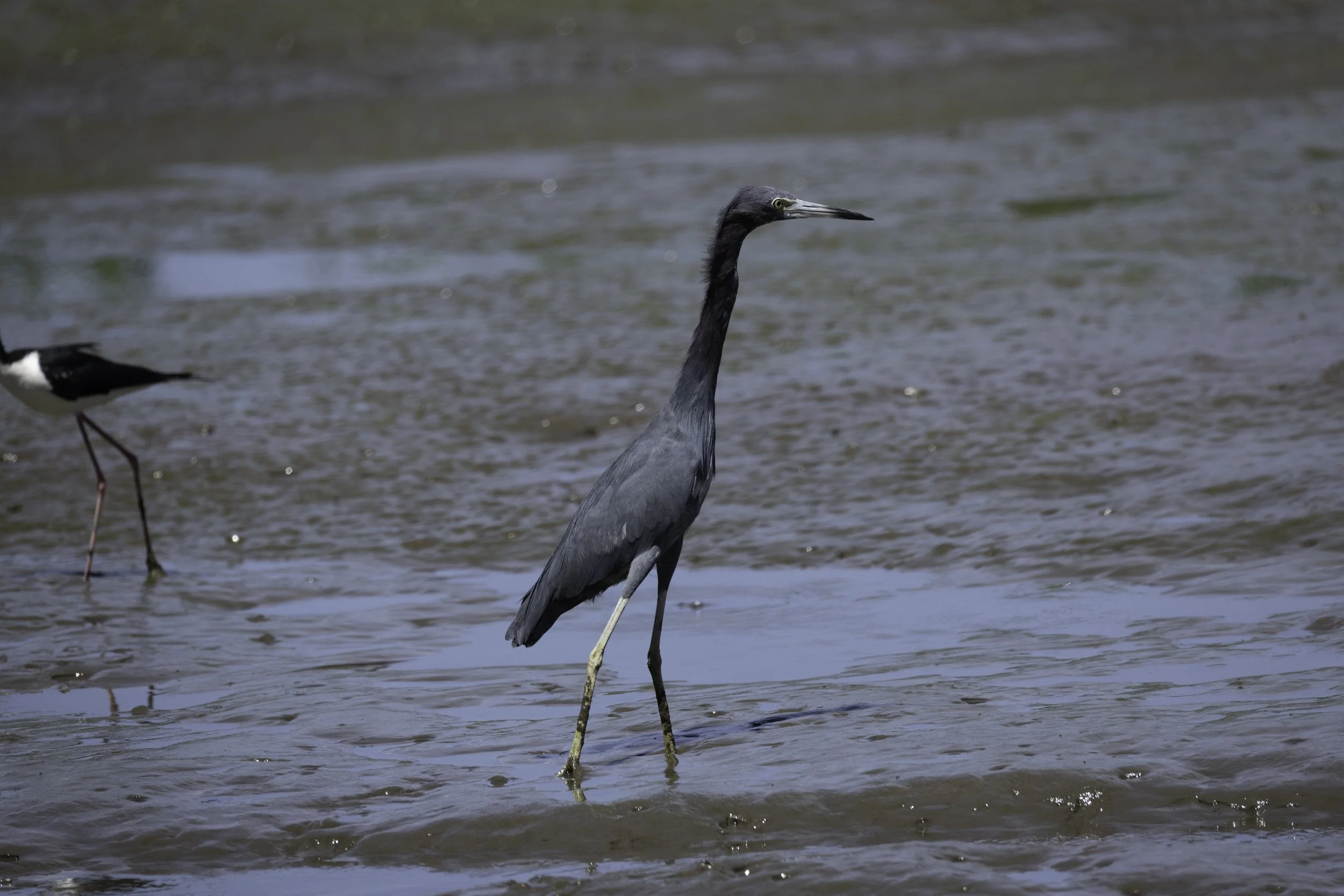
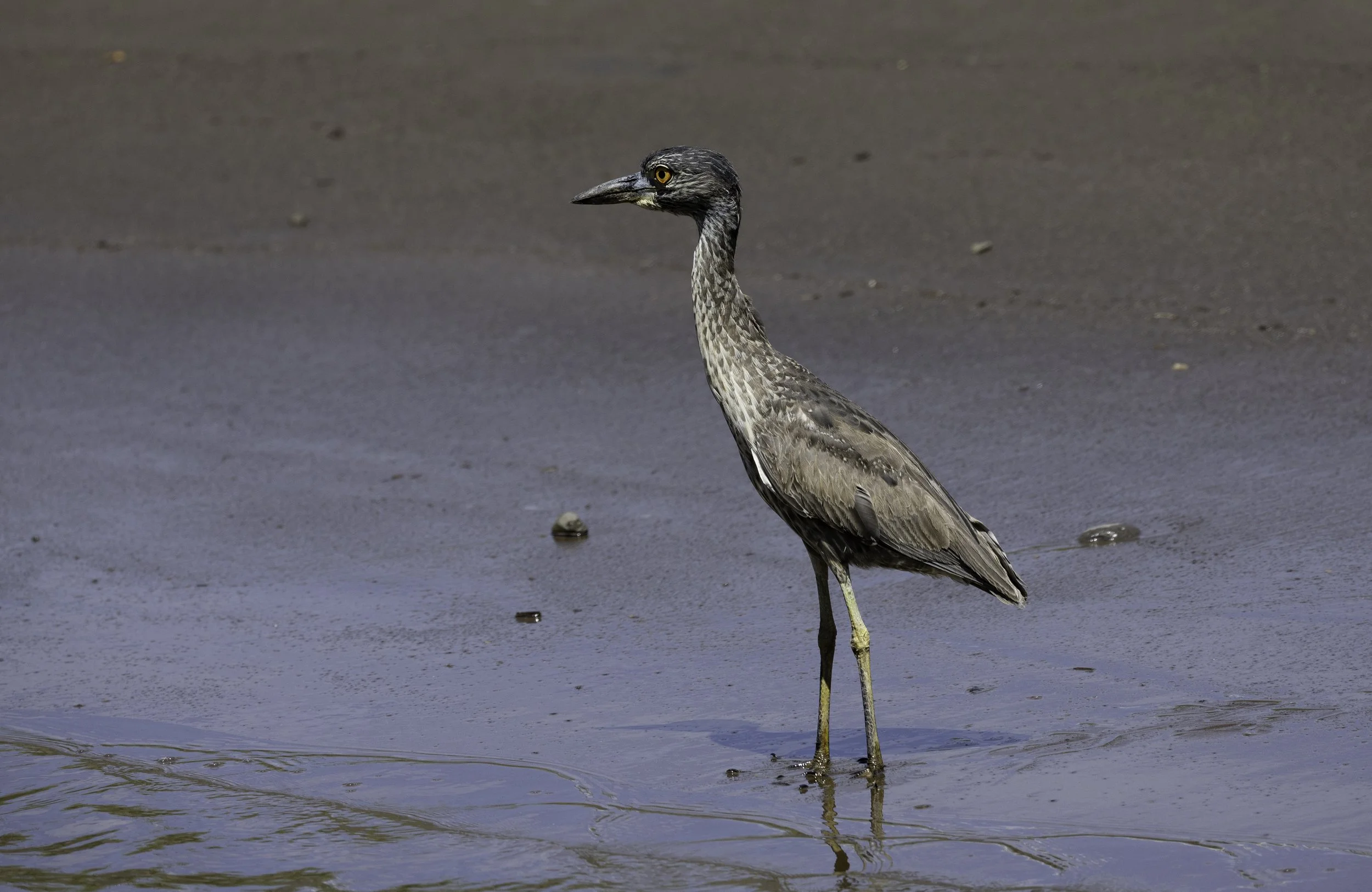
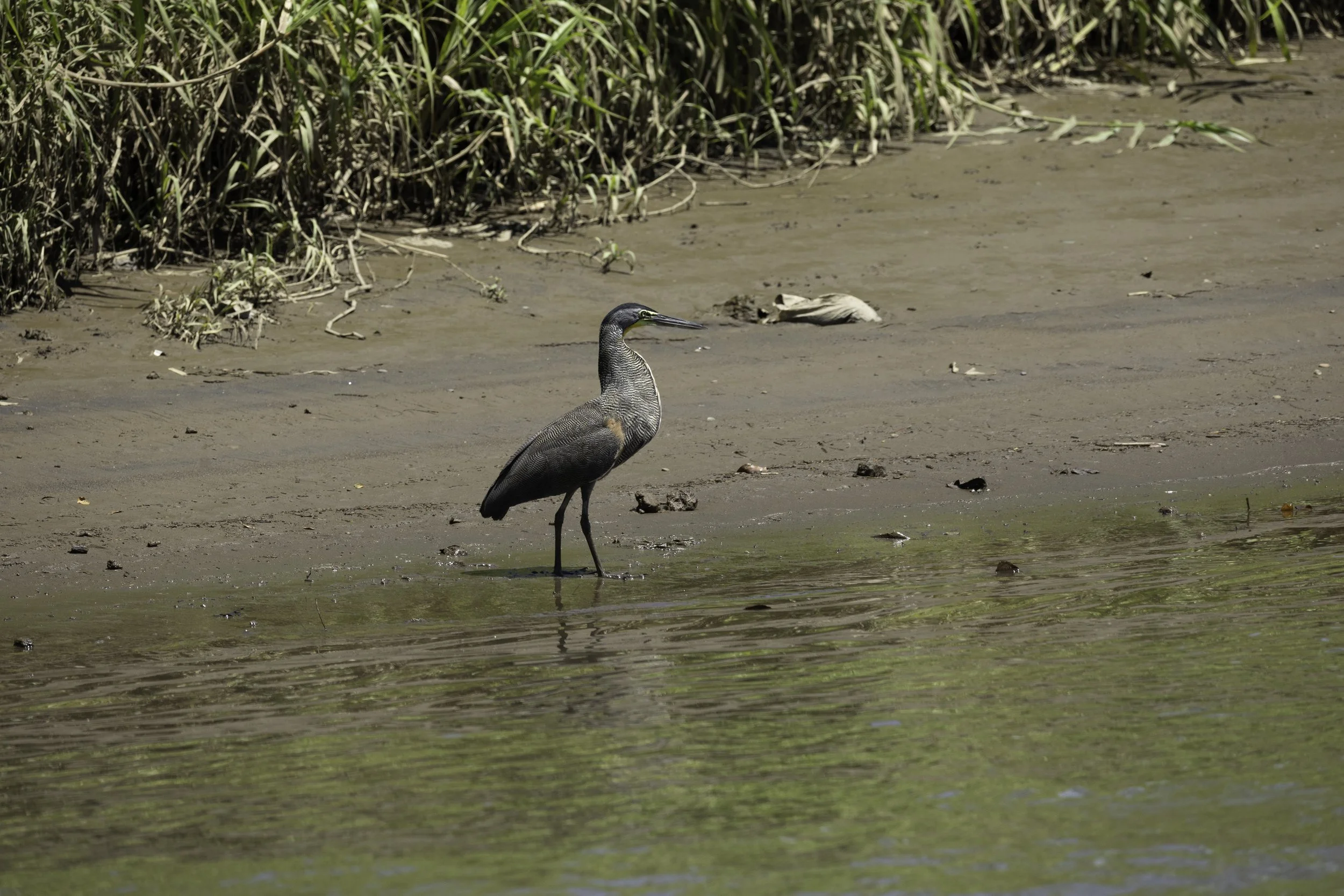
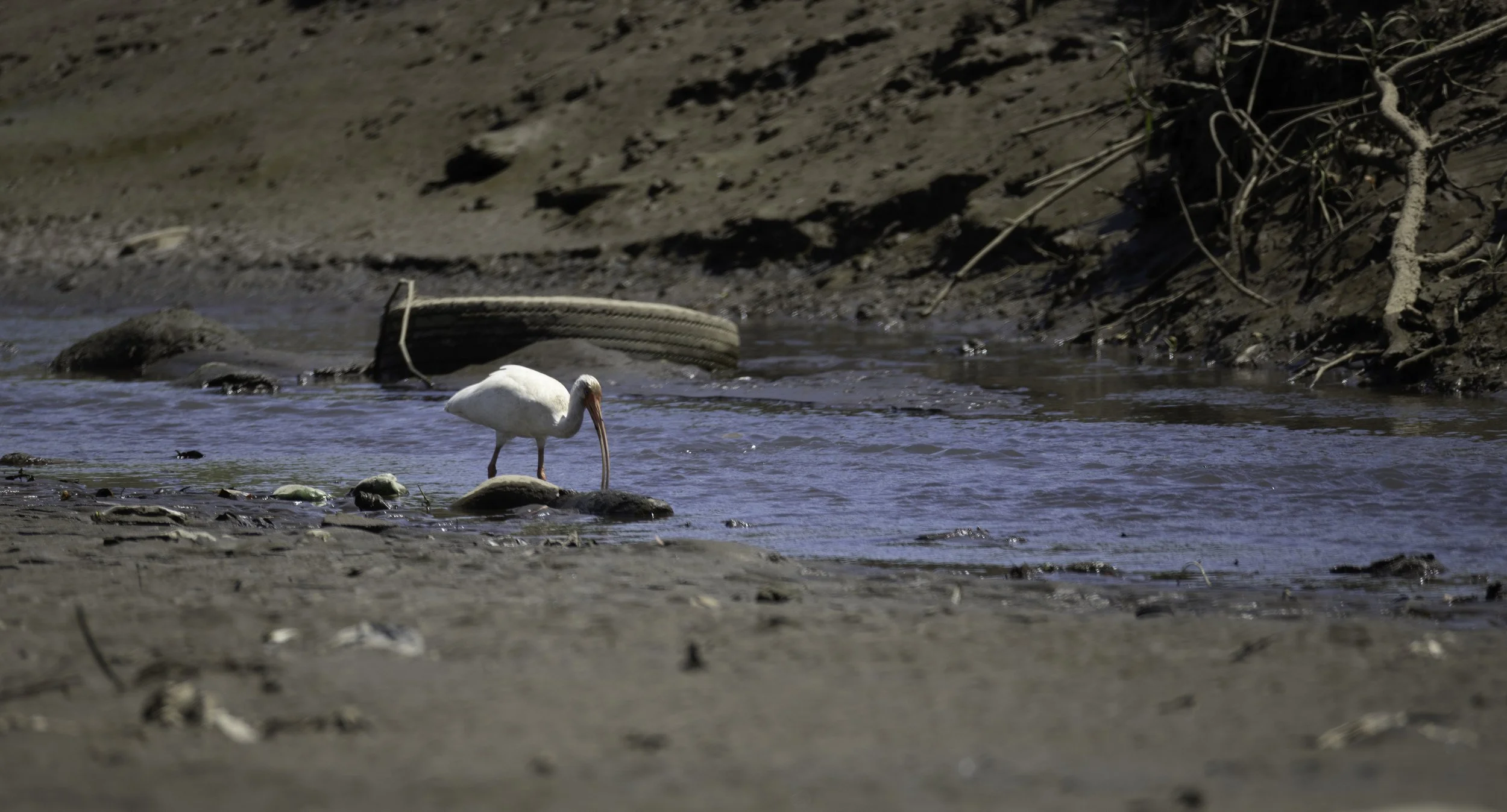
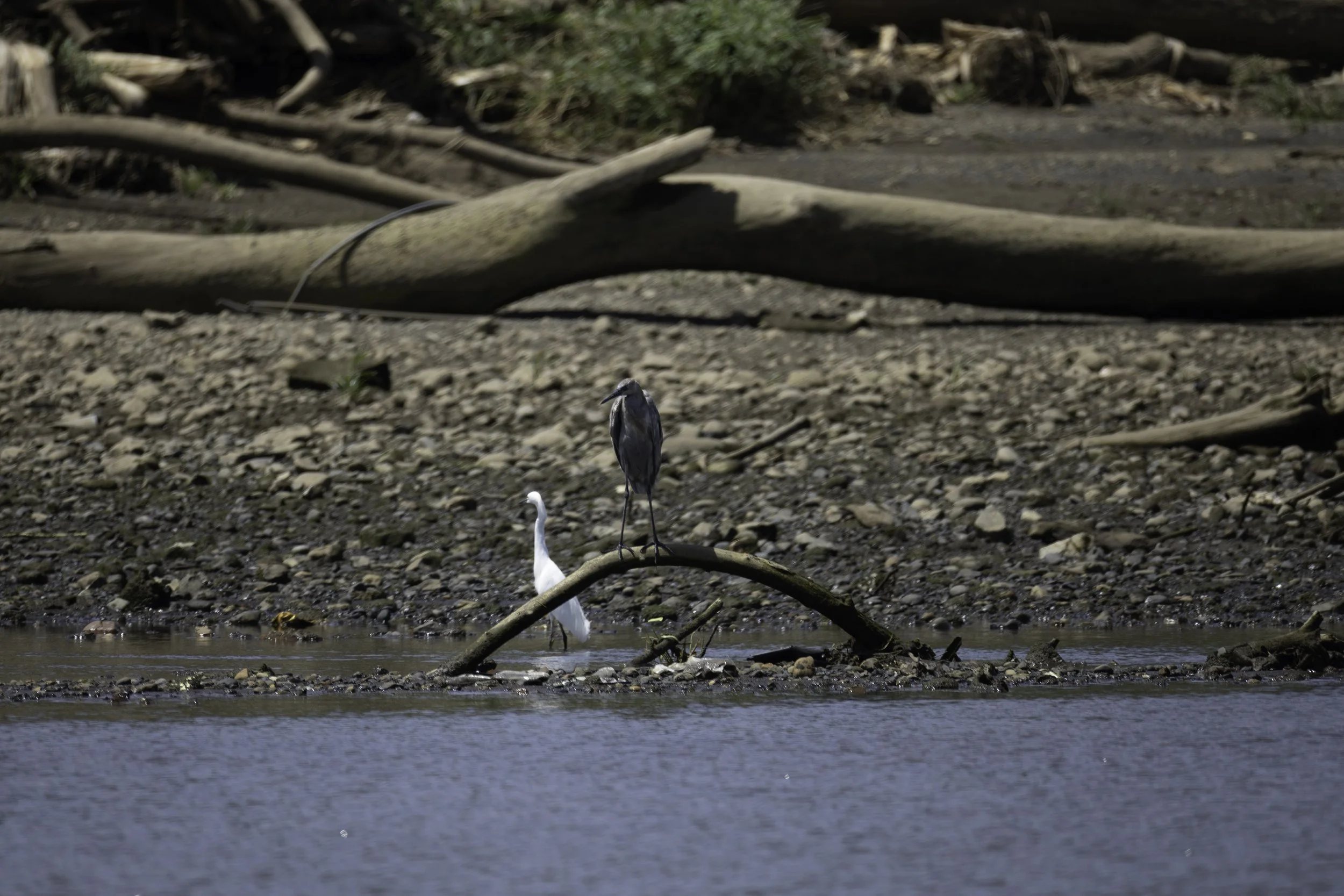
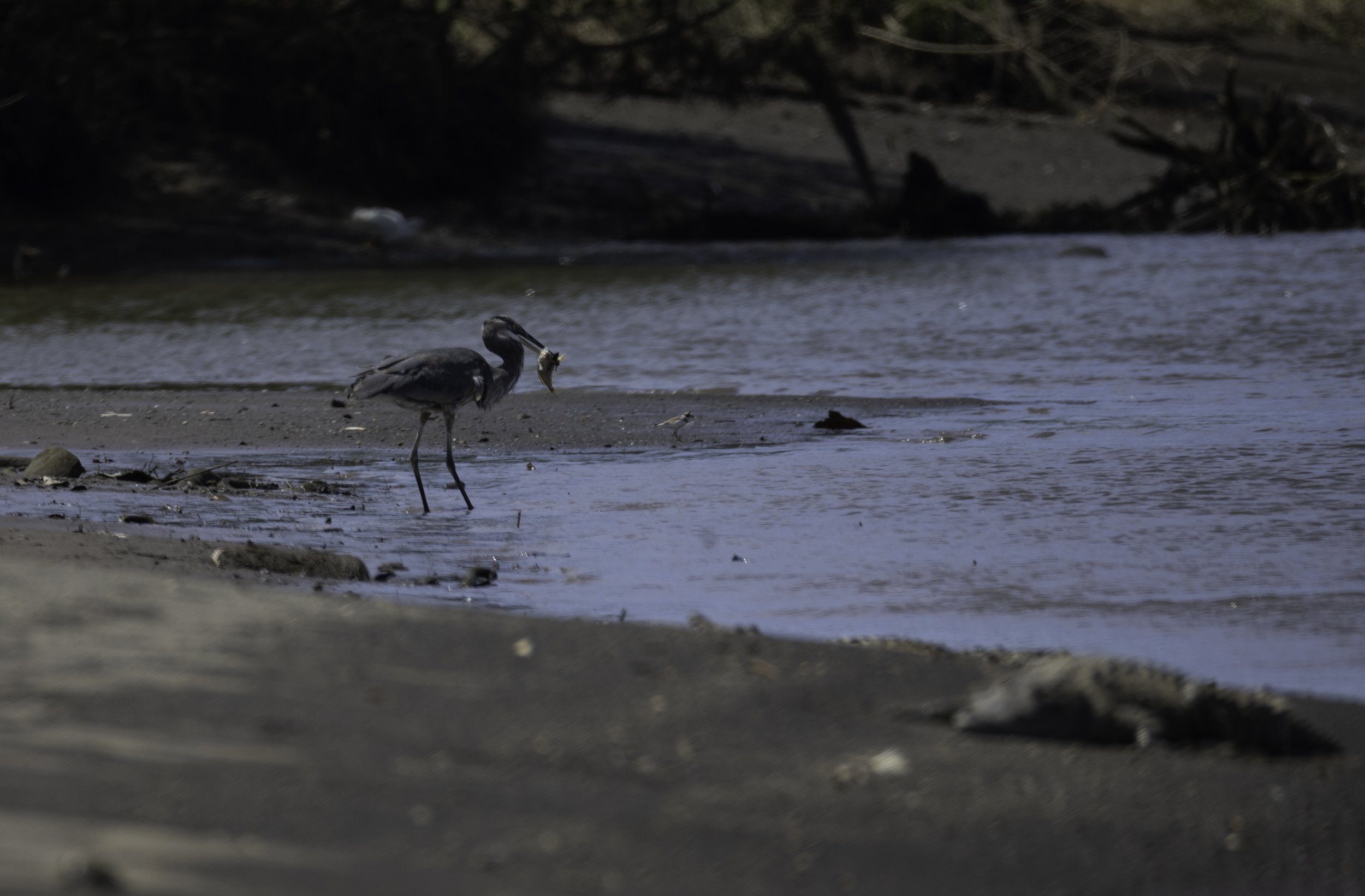
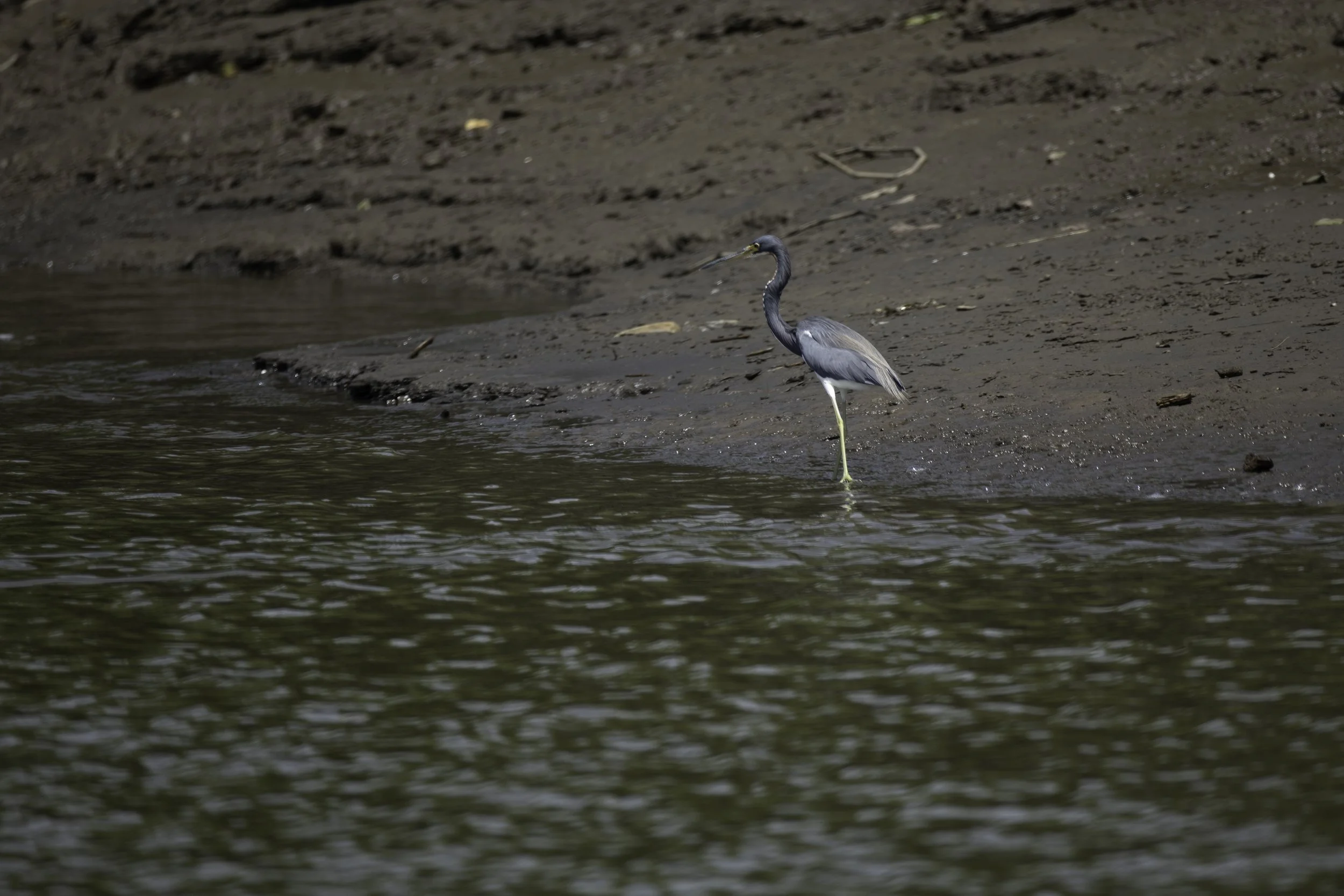
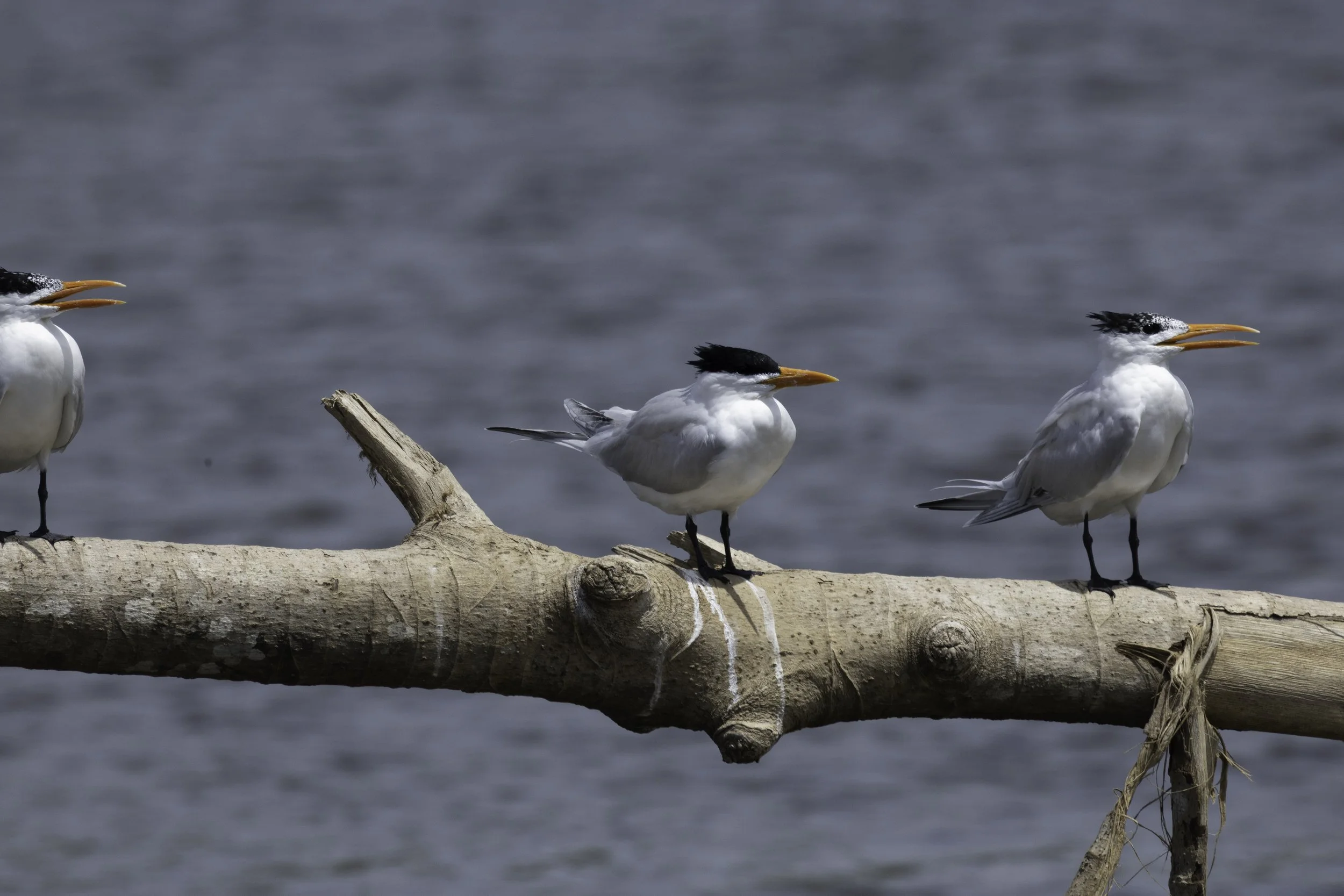
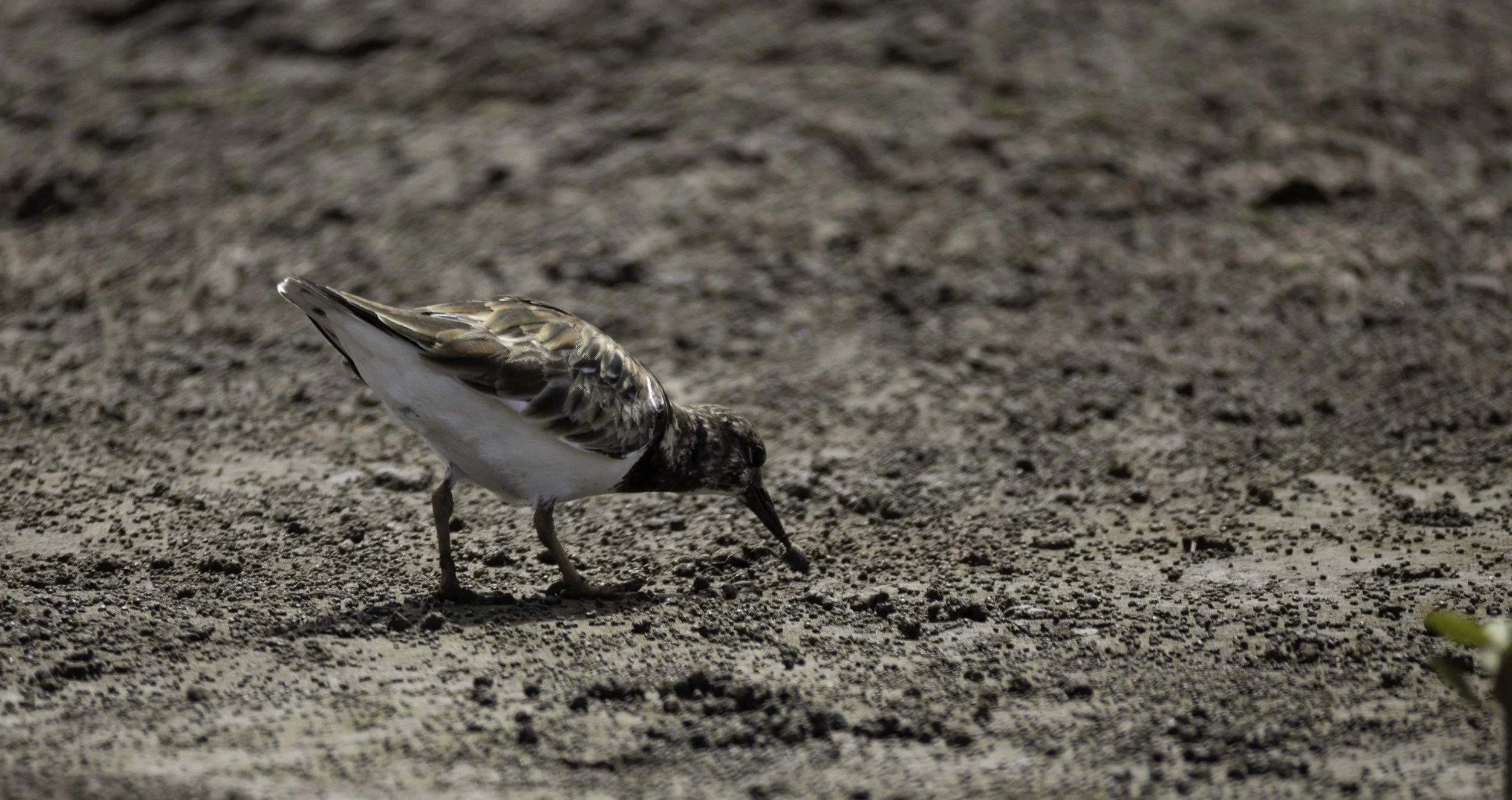
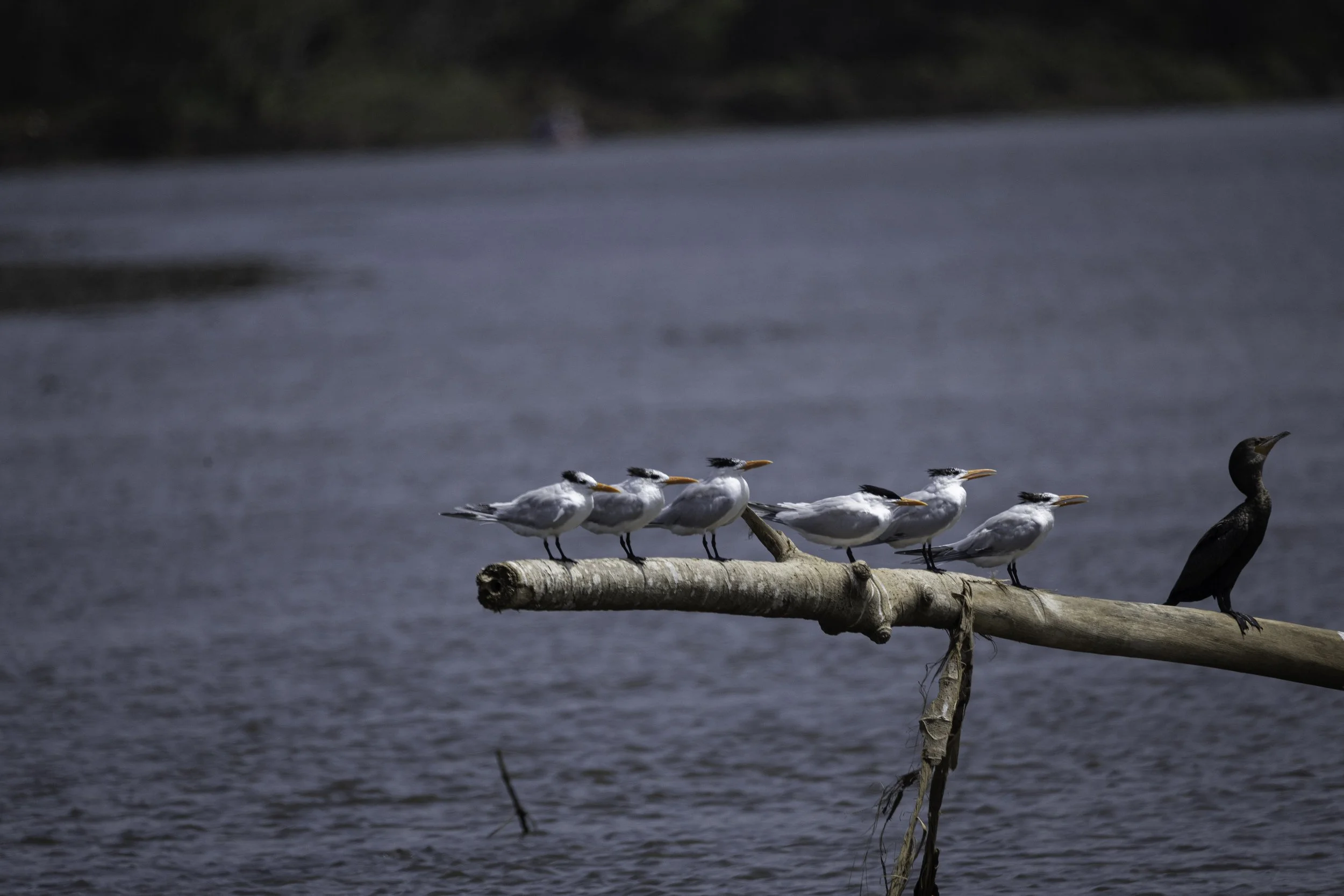
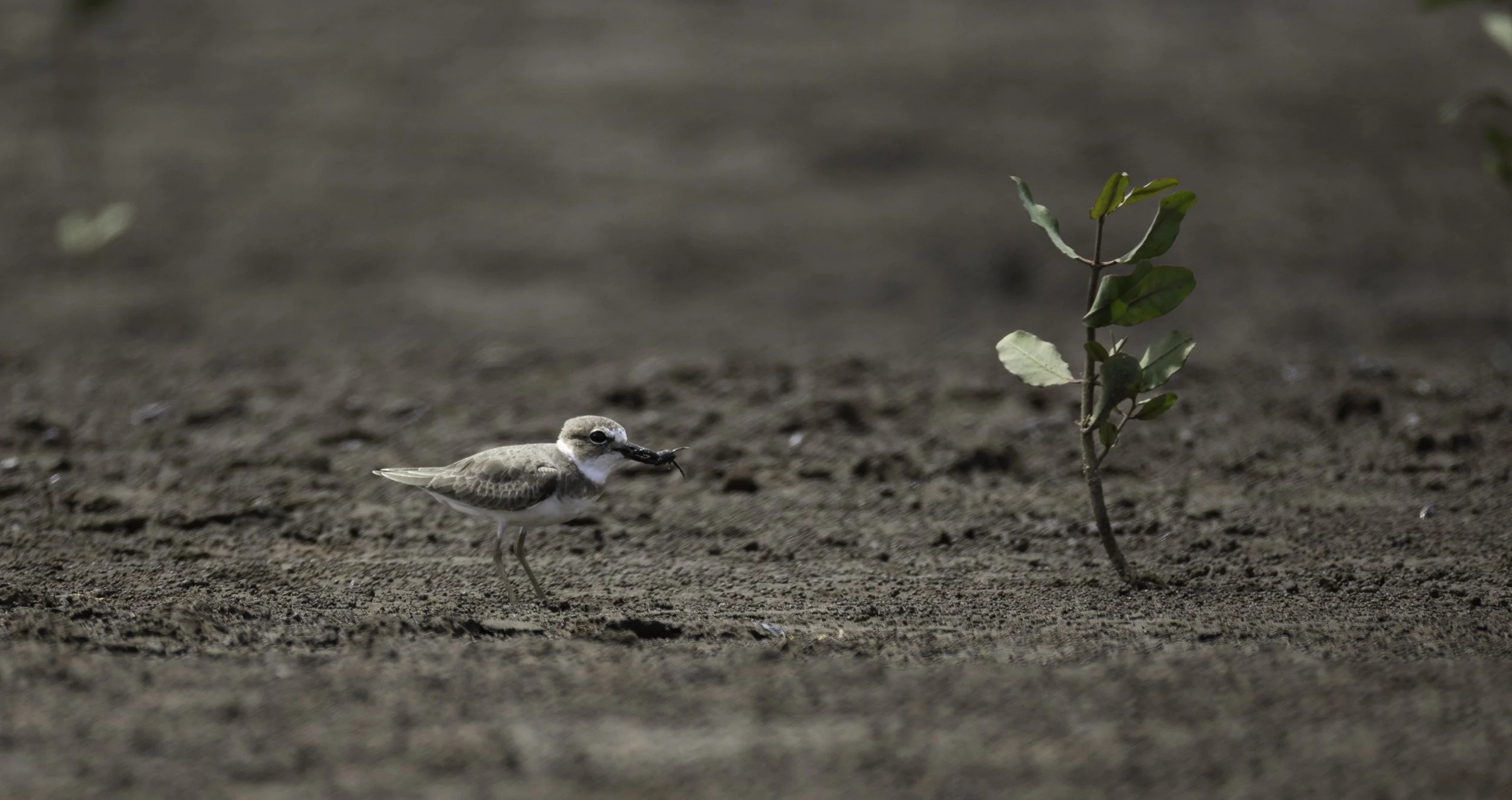
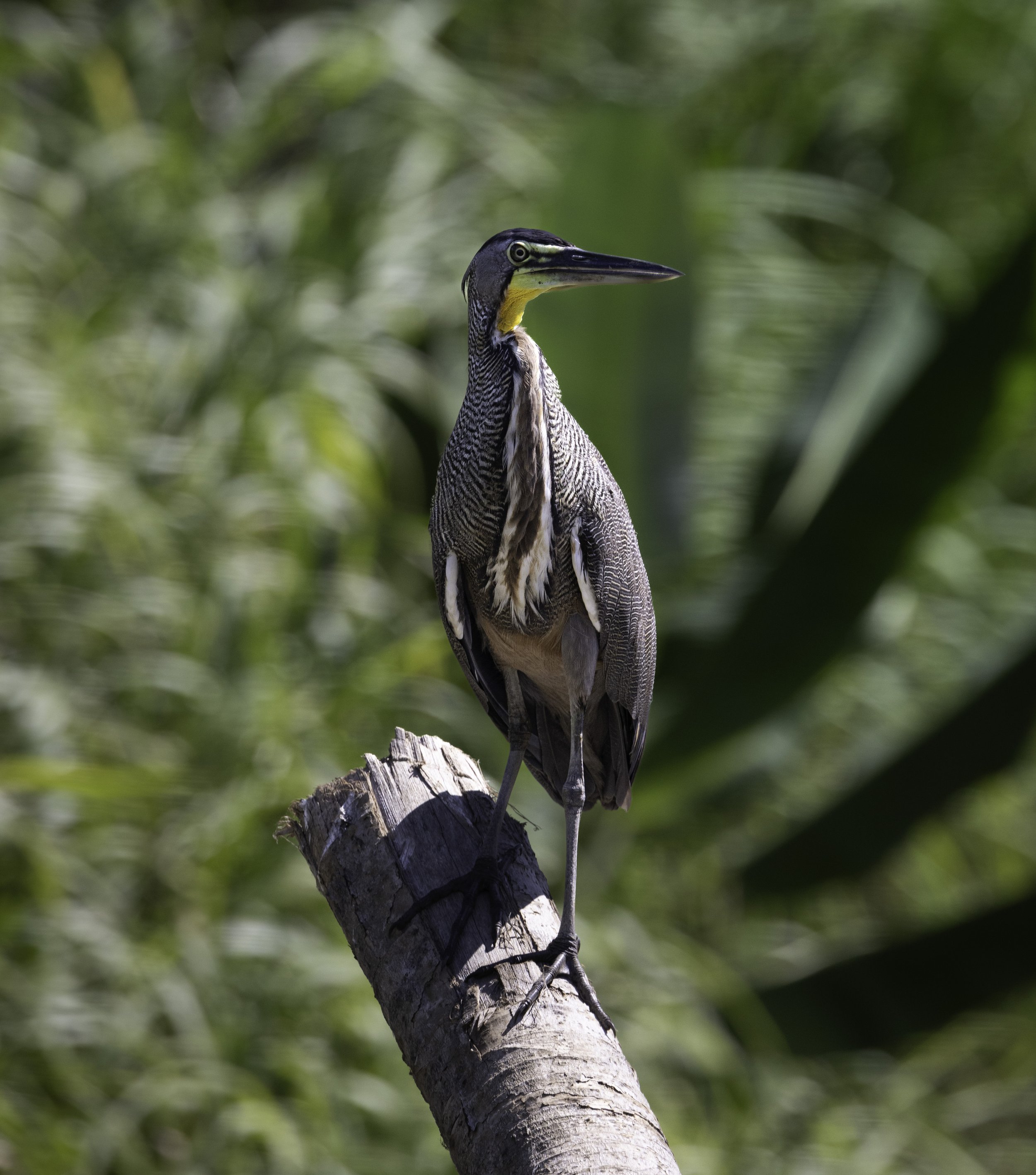
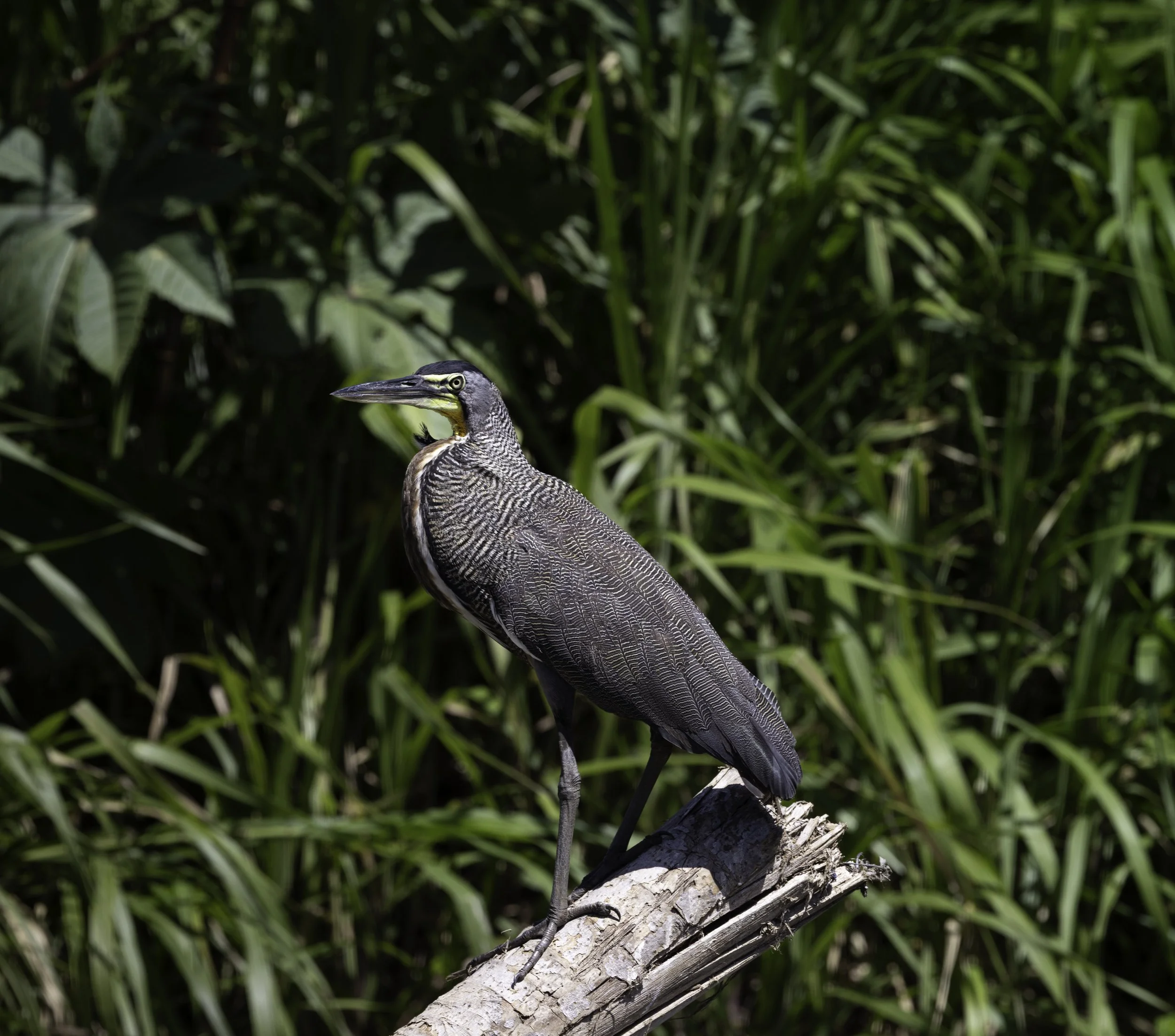
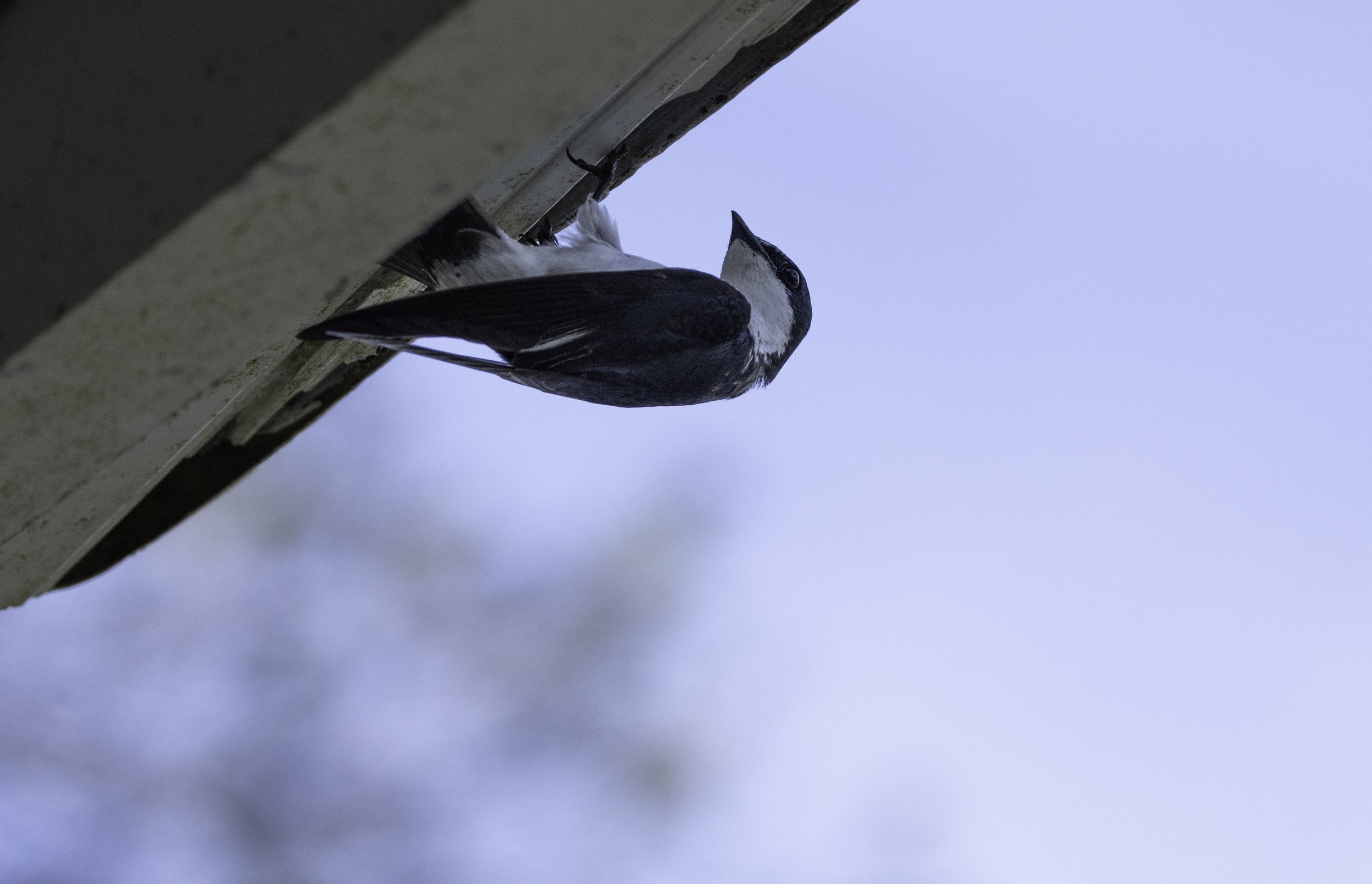
Birds Not Ardeidae (Short legs) not flying
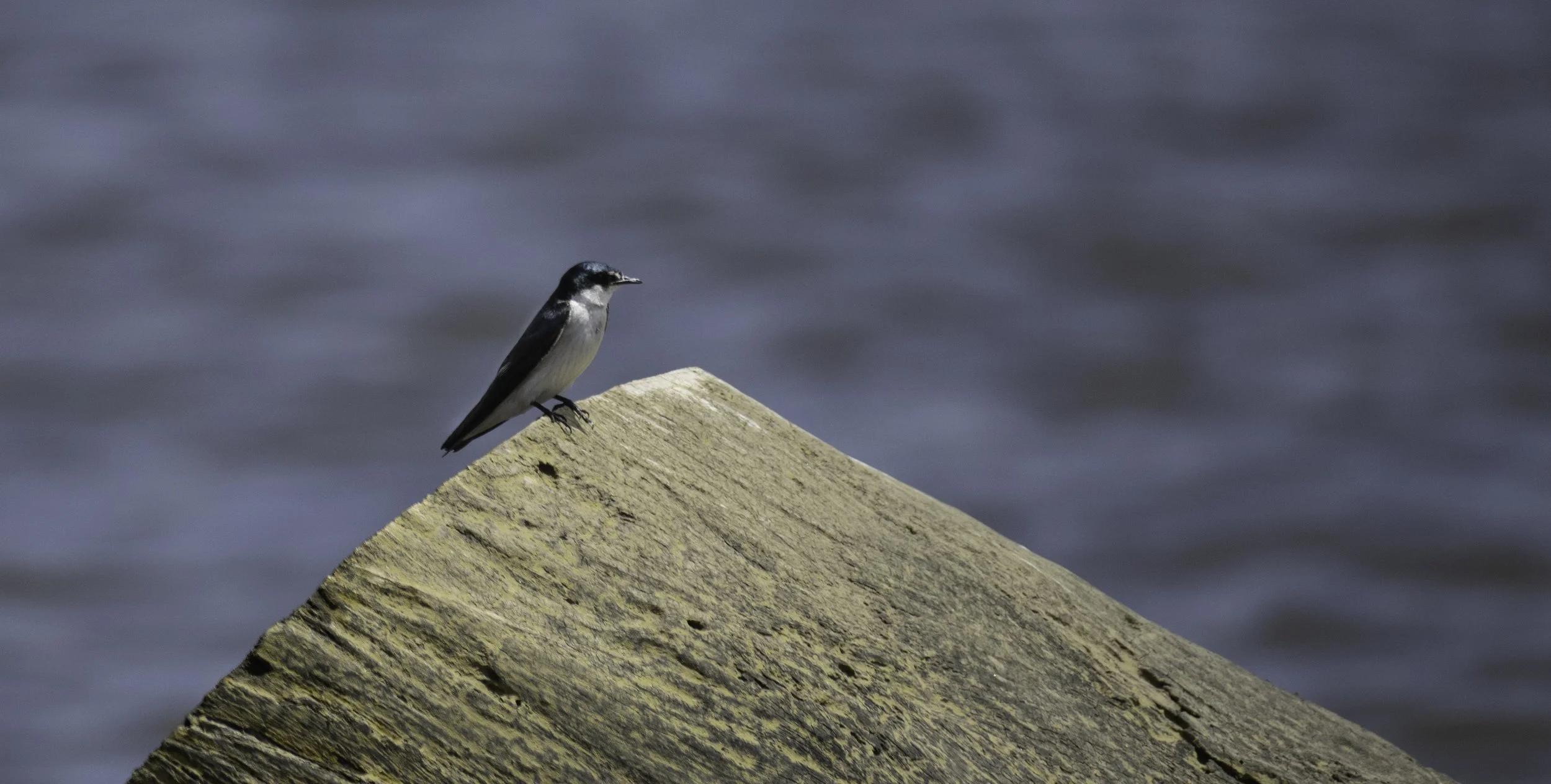
…and then there are the short-legged birds, strolling with a charming, deliberate wobble as if the world moves at their pace; something as simple as looking for food becomes a small, focused adventure. Their stubby legs and rounded bodies make every step an act of careful balance, heads bobbing as they search the grass for seeds, insects, or the occasional dropped crumb. They don't hurry, but they notice: the glint of a beetle, the scent of fresh earth after rain, the whisper of leaves. Watching them is a reminder that joy often lives in unhurried moments and ordinary tasks, and that patience and attention can turn the simplest act—finding a meal—into a quietly beautiful ritual.
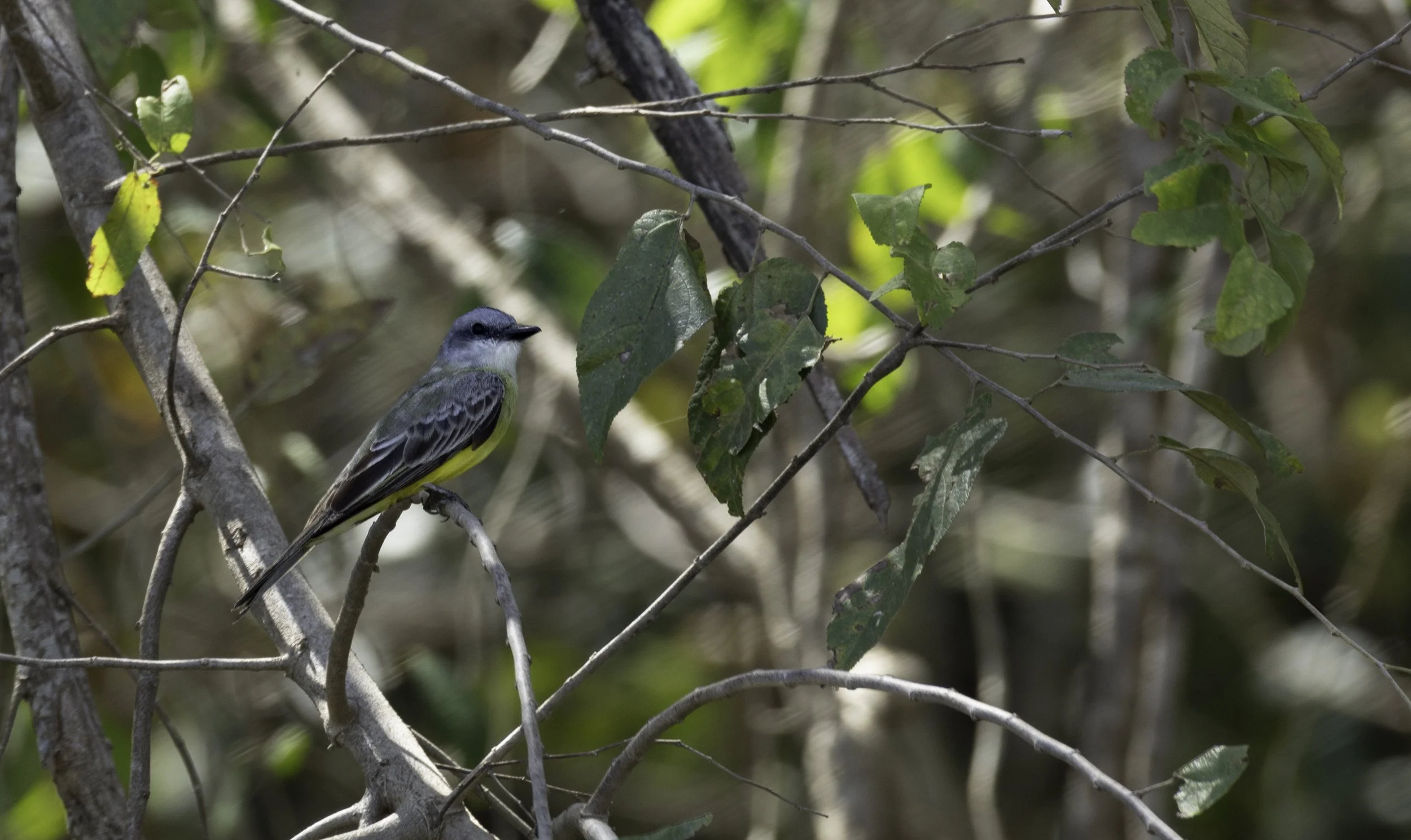
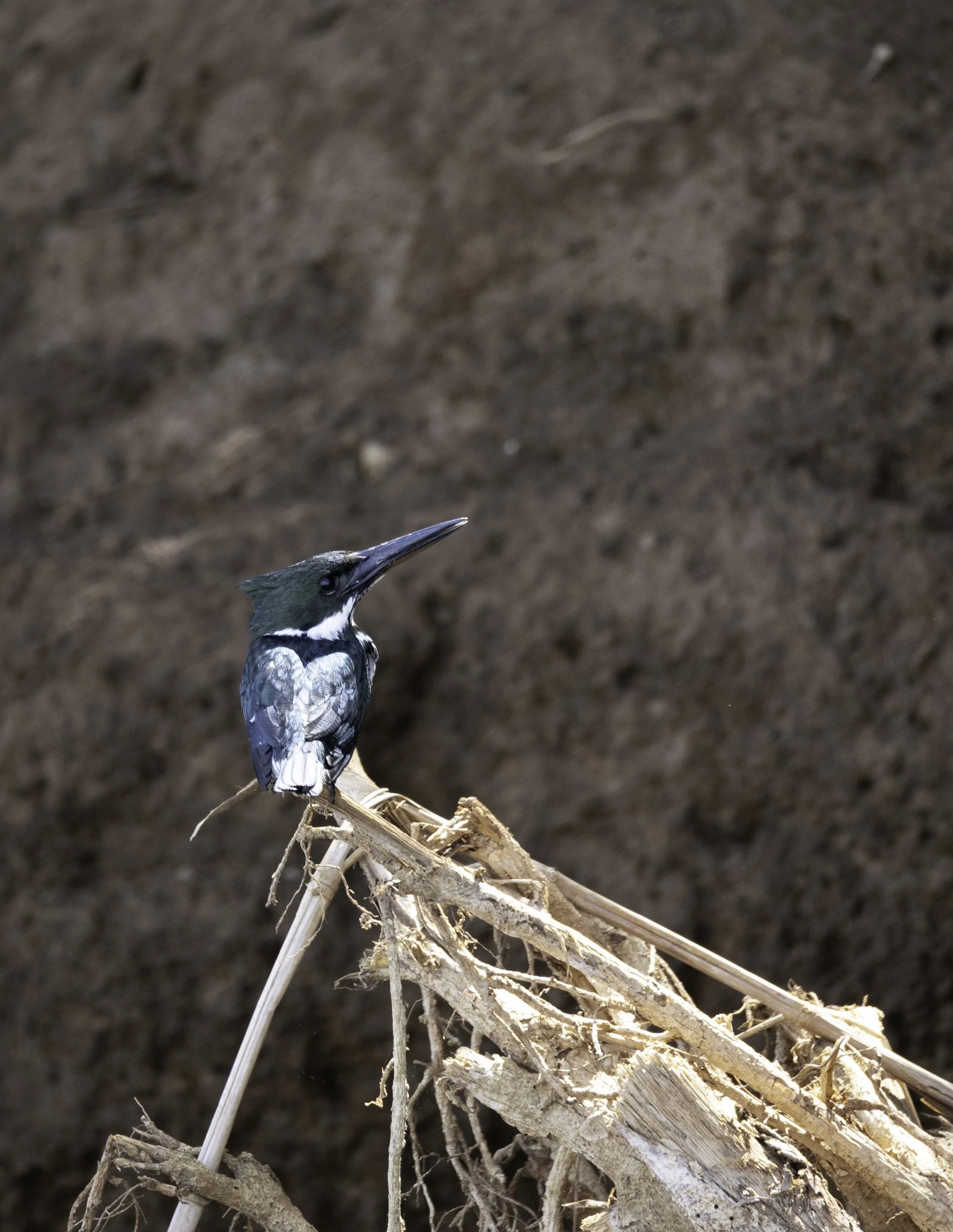
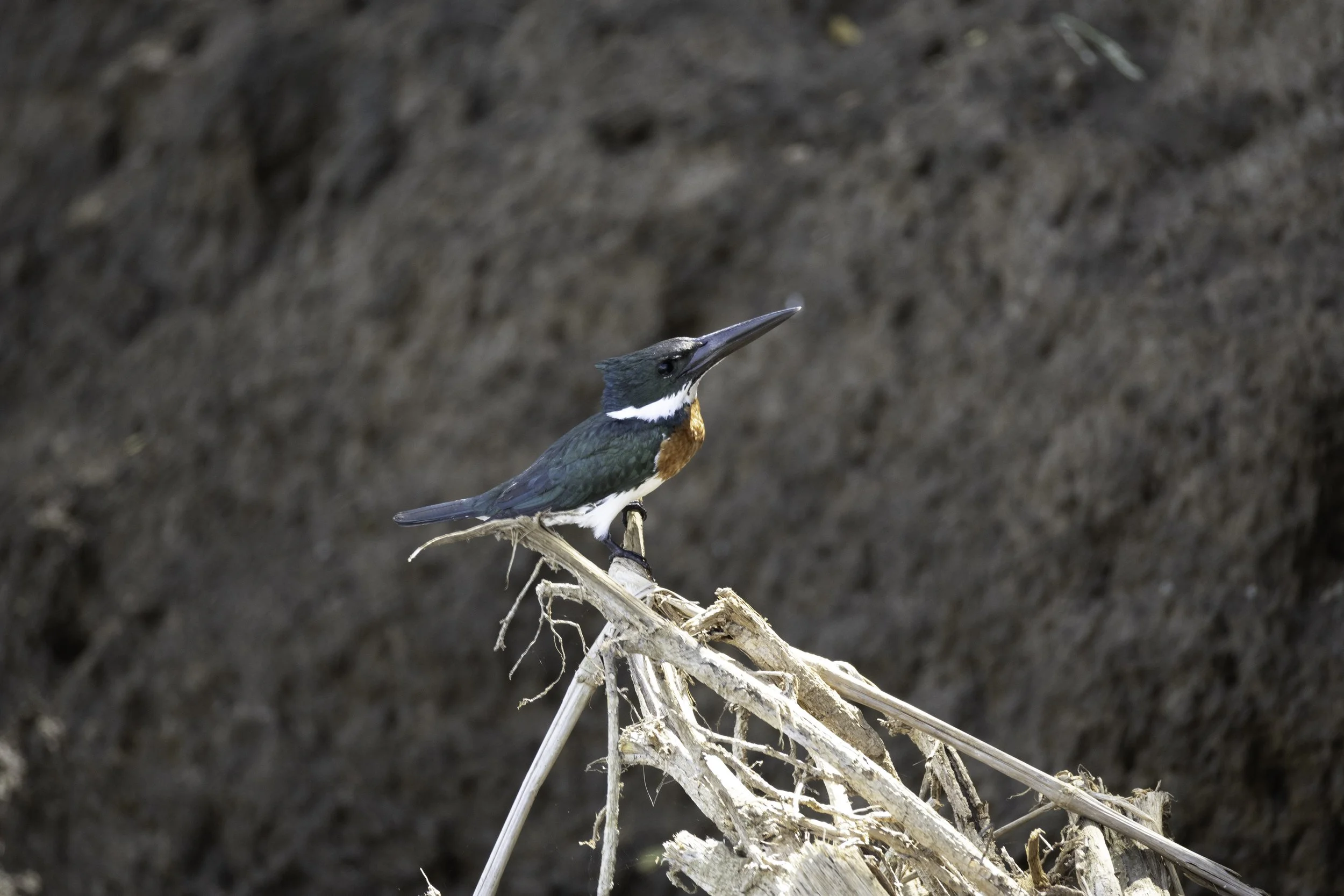
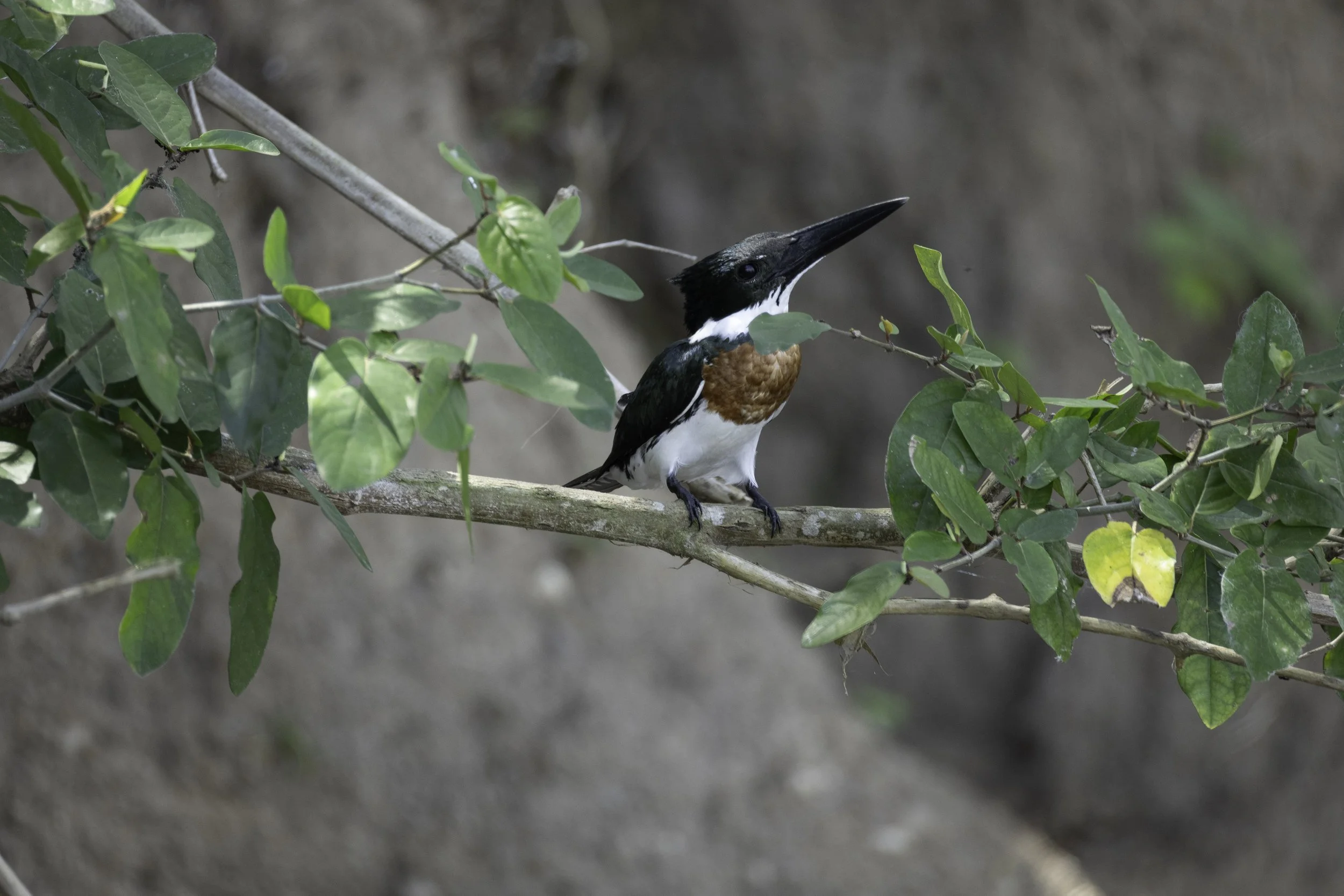
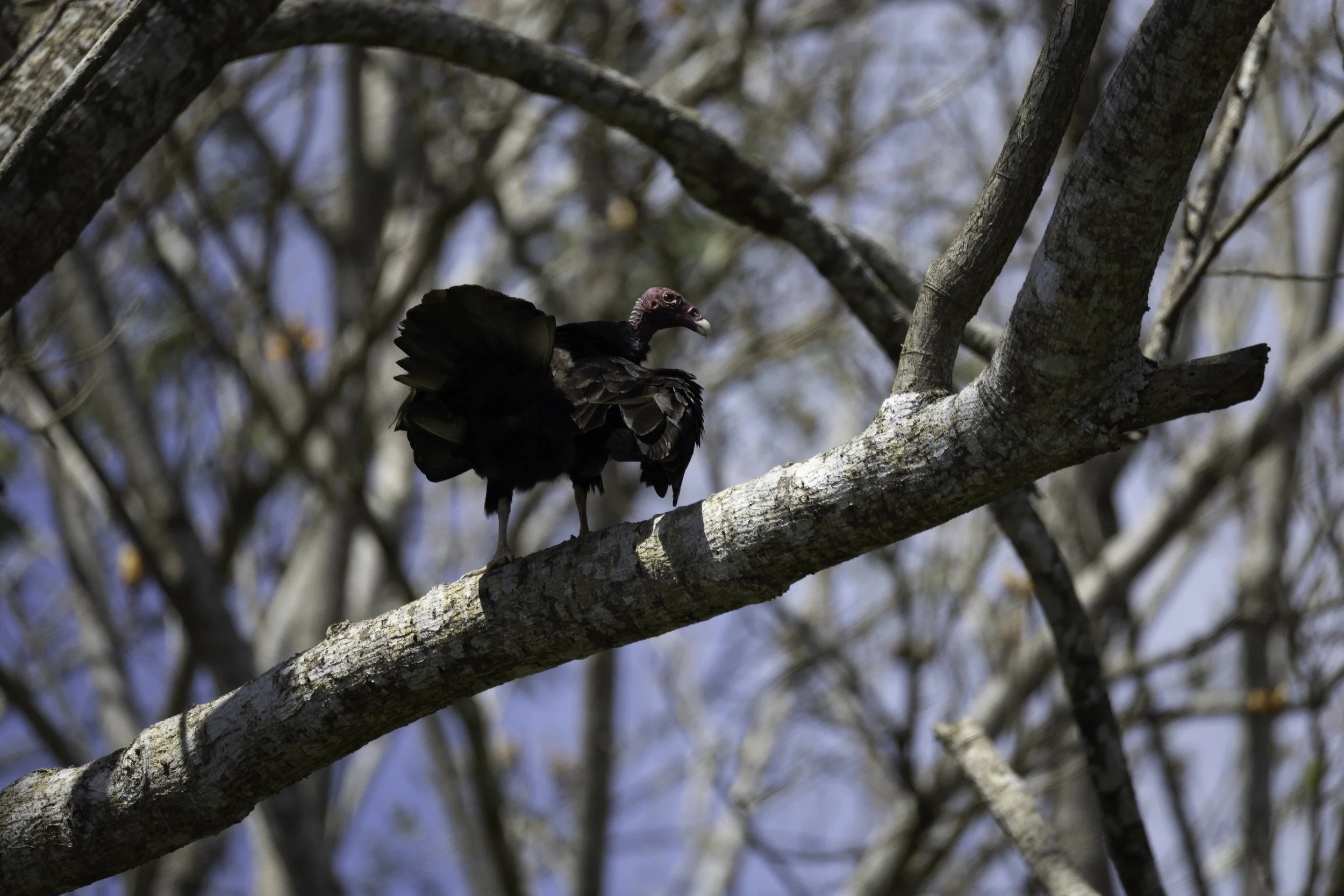
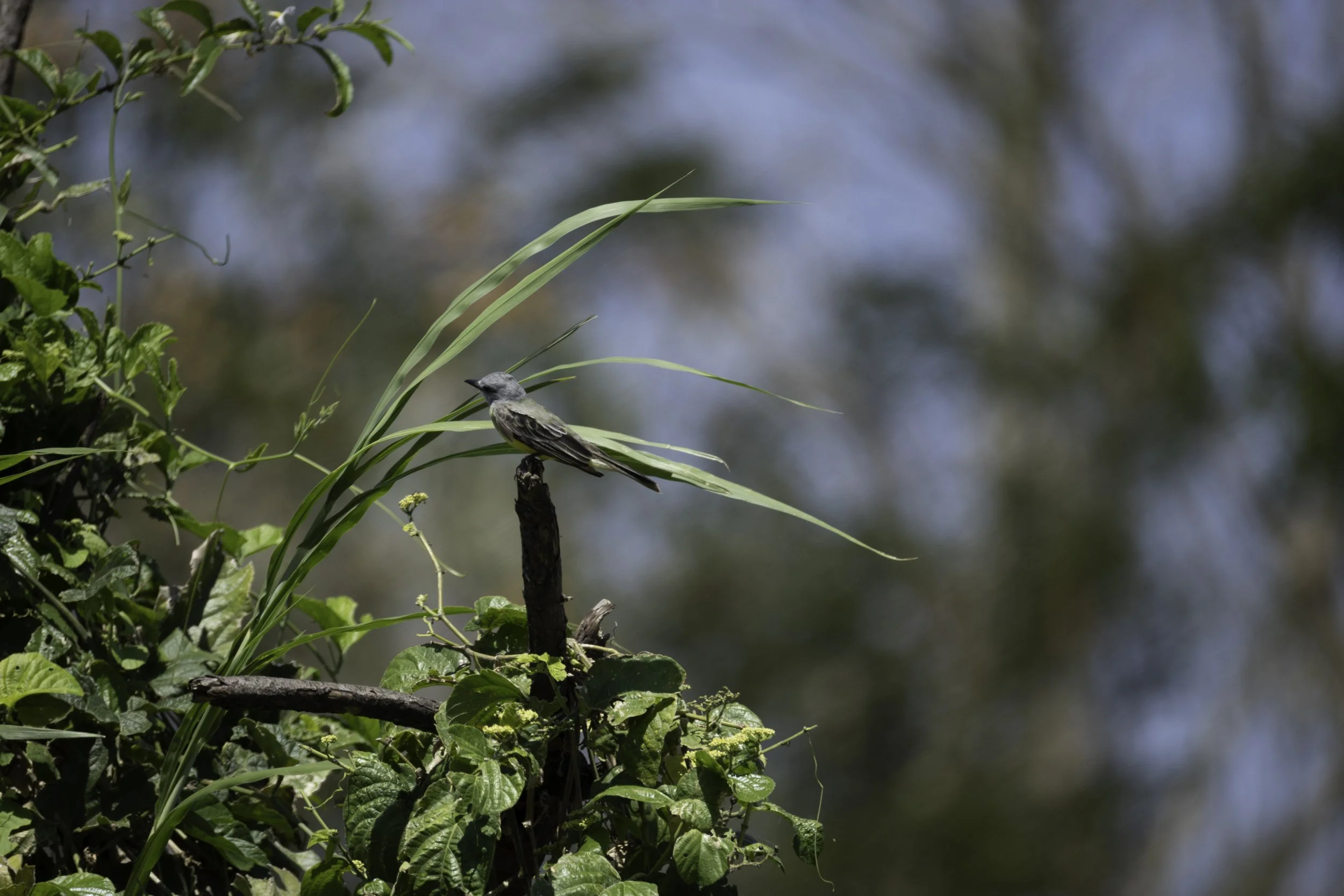
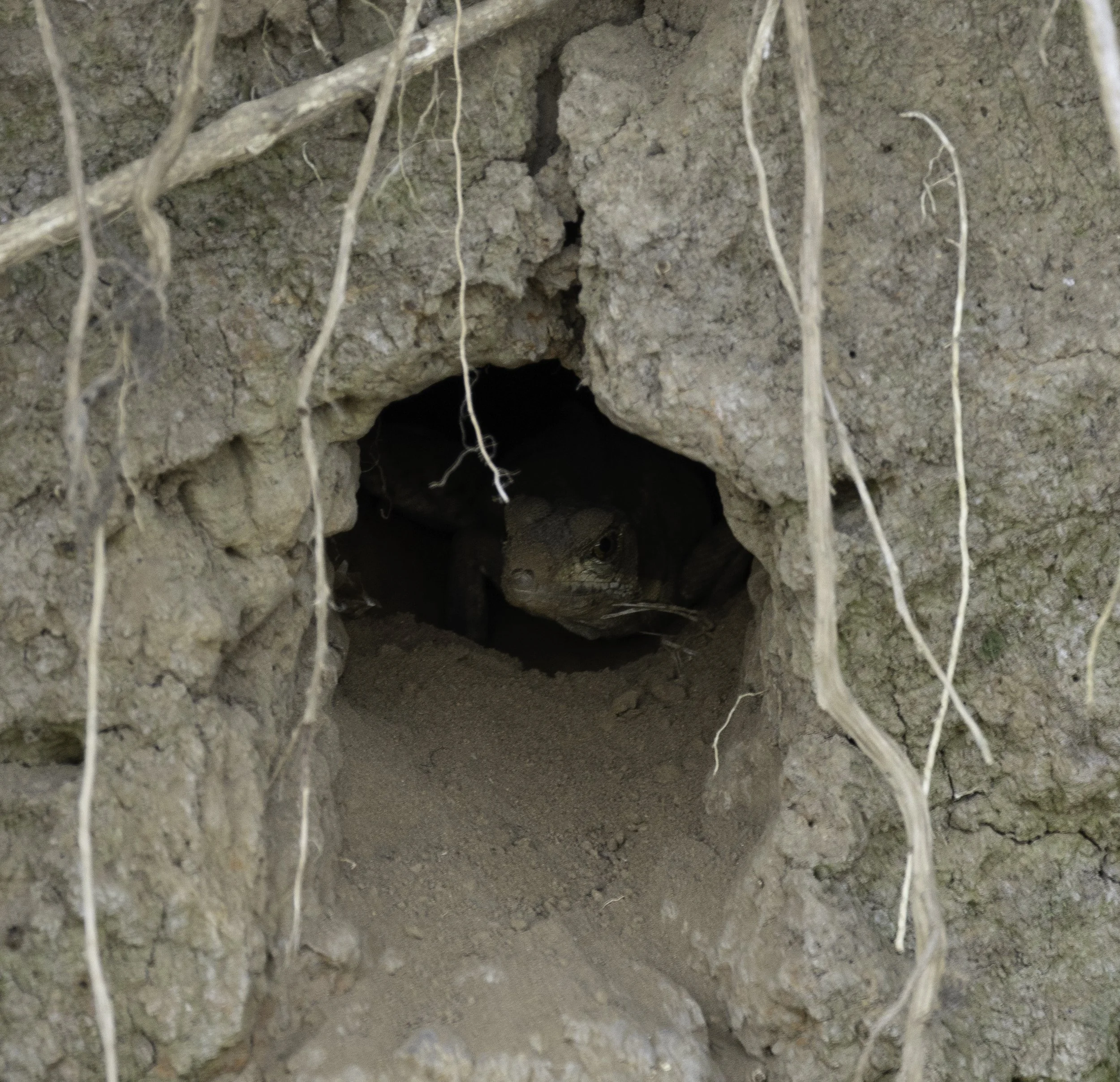
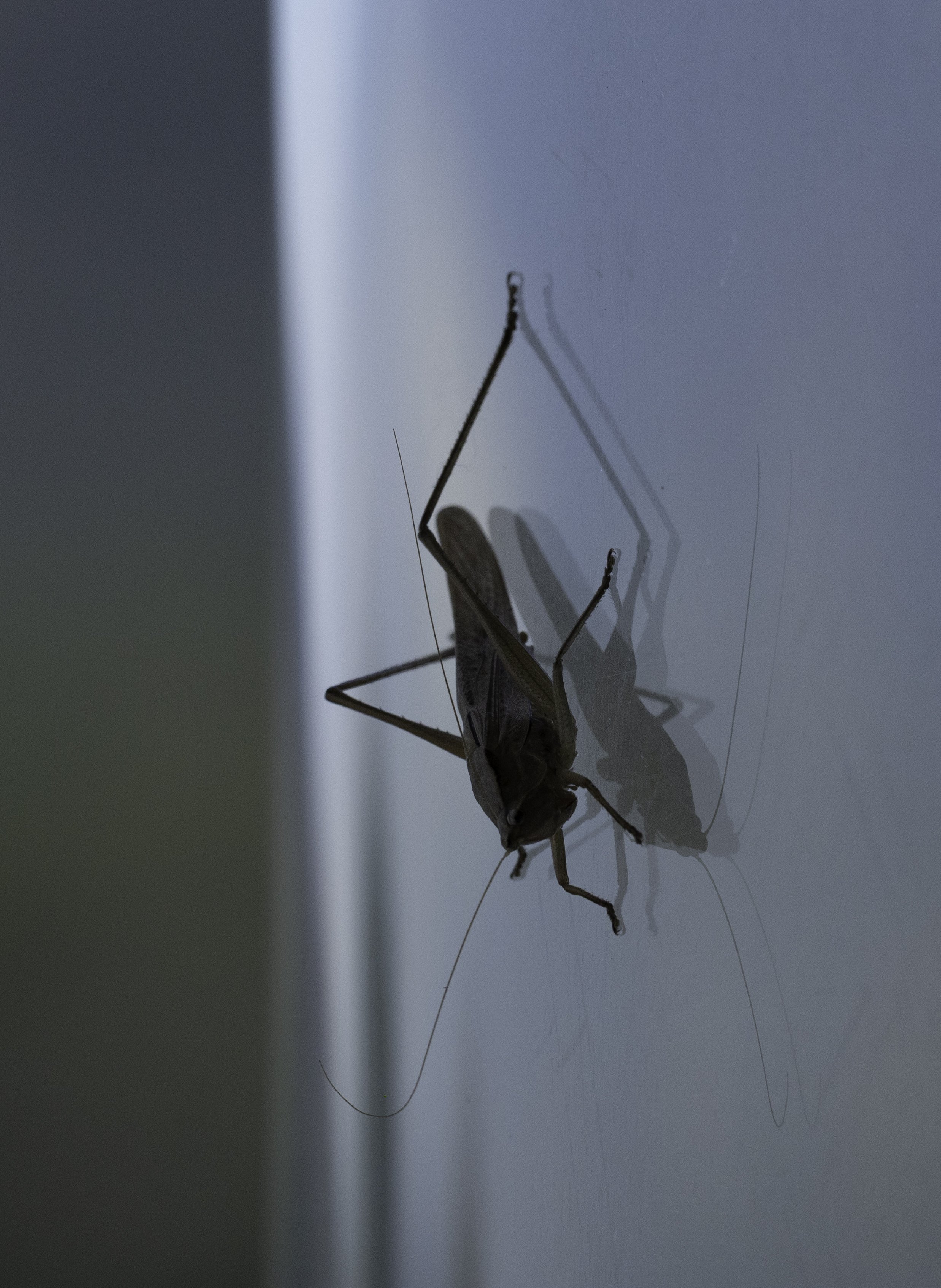
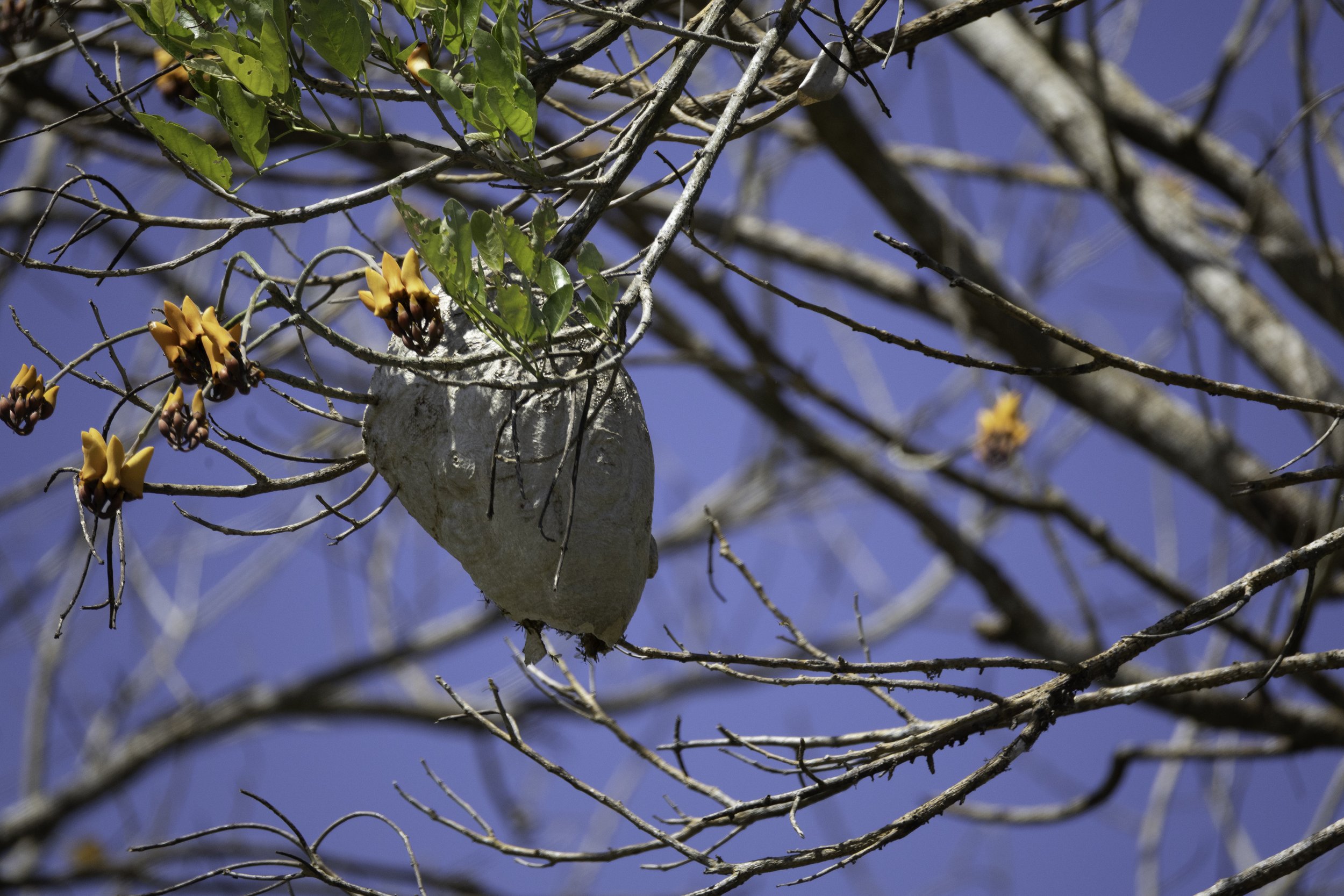
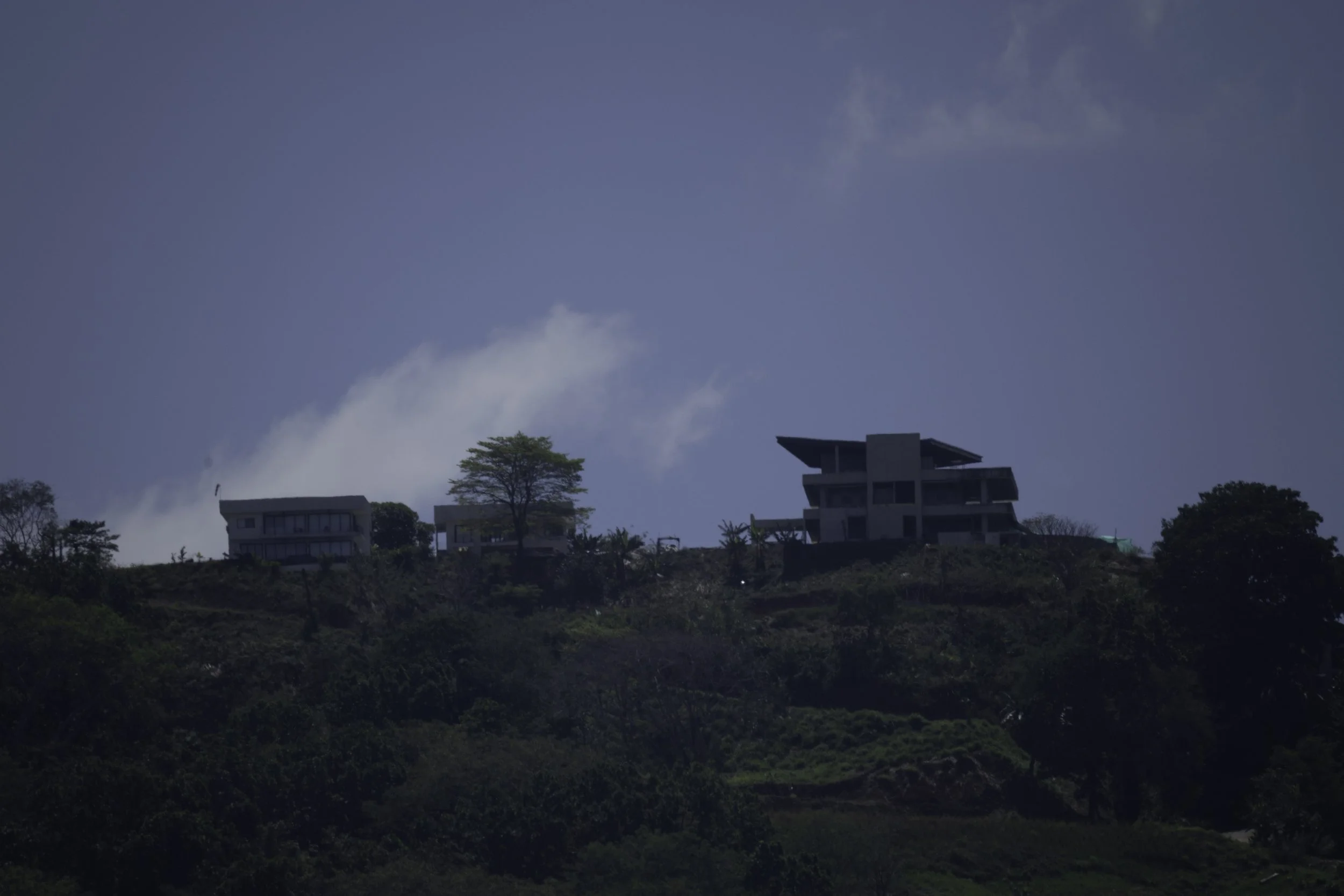
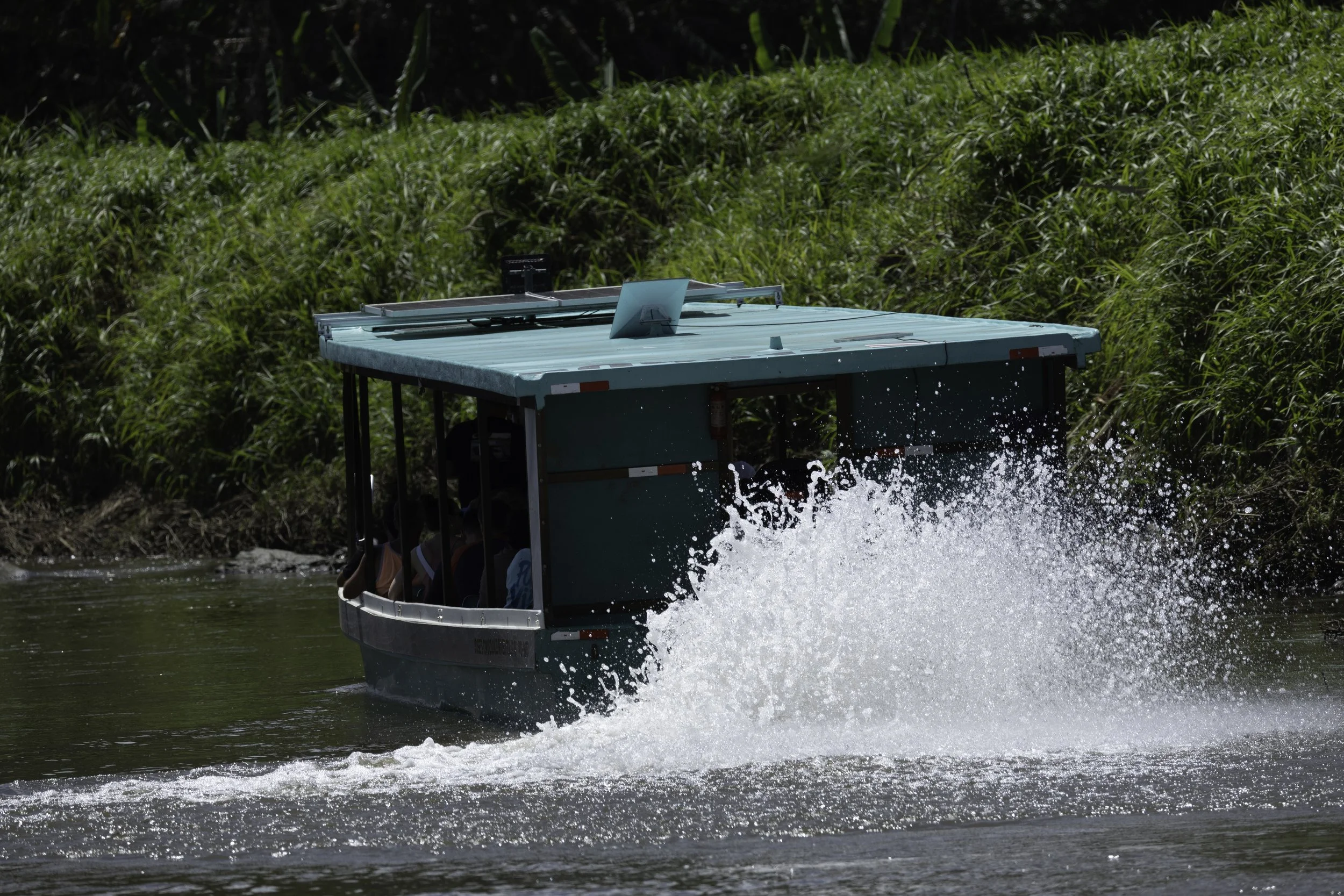
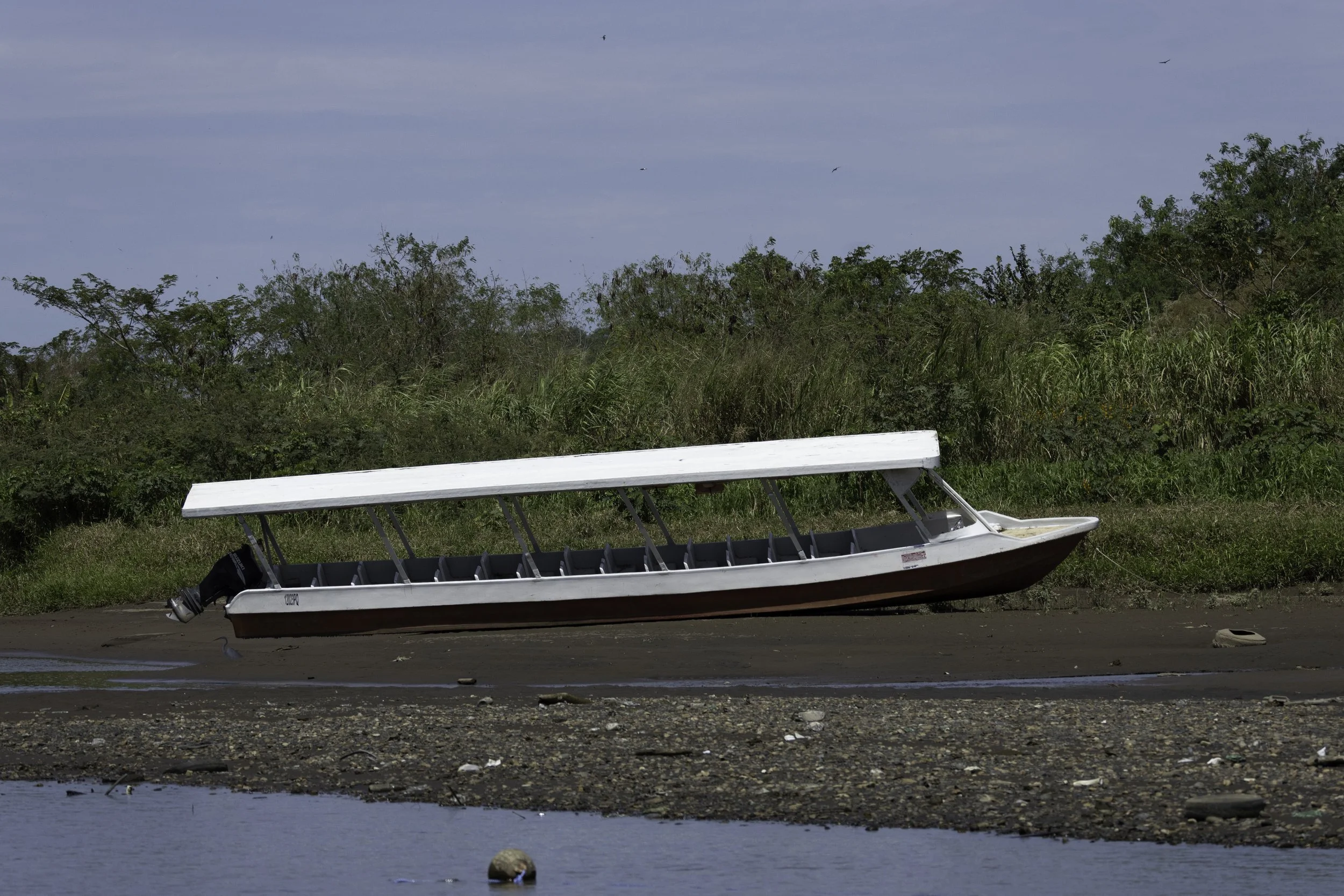
And of course there are the animals that aren't birds: an iguana that has invaded a kingfisher’s nest, lounging like an uninvited guest among delicate eggs; the crazy grasshopper that found its way onto the boat’s windscreen, hopping in frantic circles as we tried to steer; the bee hive dangling from a low branch, a shinny silver ornament that demands respect and a wide berth; boats pulled out of service, their hulls lean and patient on the shore; and the occasional vessel that nosed into a shallow patch, raising it’s engine and increasing the rpm to help trench the area to fight the to receding tide.—each small drama stitching the day together with a mix of wonder and hands-on problem solving.